I’ve been gaming for as long as I can remember, and if there’s one mechanic that never fails to make my heart race, it’s permadeath. Even here in 2026, after years of seeing games become more forgiving with autosaves and generous checkpoints, the thrill of knowing one mistake could wipe hours of progress remains unmatched. Is it just about difficulty? Absolutely not. Permadeath transforms how we play, turning every decision into a story and every survival into a personal victory. This year, while some developers chase hyper-realism or endless open worlds, the games that still captivate me most are those where death is truly the end—and that’s exactly why I believe permadeath isn’t going anywhere.
Permadeath’s beauty isn’t simply in punishing failure; it forces us to care. When I lose a character in Darkest Dungeon or watch my colony spiral into chaos in RimWorld, it’s not just a reload. It’s a narrative twist I have to accept and overcome. This is the core of the modern roguelike resurgence and the reason voluntary challenges like Pokémon’s Nuzlocke runs remain wildly popular. Meaningful choices emerge when consequences are permanent. After all, what’s the point of a tactical decision if you can just rewind time?
Let me take you through the games that, in 2026, still embody the best of permadeath—games that taught me to fear the dark, trust no RNG, and always keep my crew fed.
Doom Eternal: Ultra Nightmare – When the Save Dies with You
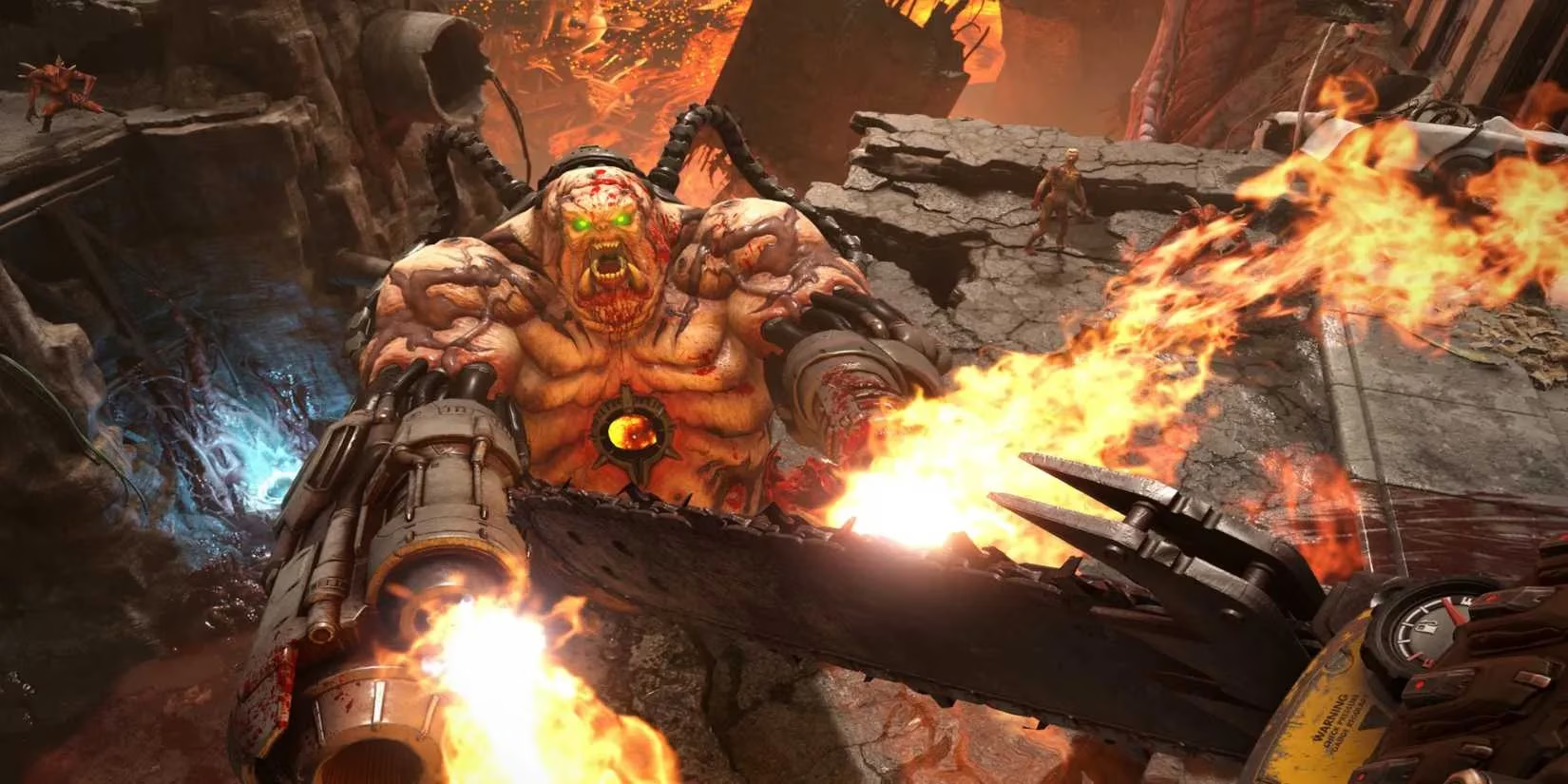
It’s 2026 and I still remember the adrenaline spike from my first Ultra Nightmare attempt. In the highest difficulty of DOOM Eternal, dying doesn’t just send you back a checkpoint—your entire save is deleted. That’s right: one misstep against a Baron of Hell and hours of progress evaporate. Even as a seasoned veteran, knowing that every arena is a do-or-die moment changes the entire pace of the game. Your movements become sharper, your resource management tighter. This optional mode perfectly illustrates how built-in permadeath settings can elevate a familiar experience without alienating casual players. It’s difficulty and accessibility blended brilliantly, proving that sometimes the best stories are written in the margins of a wiped save.
Fire Emblem: Tactical Genius Required
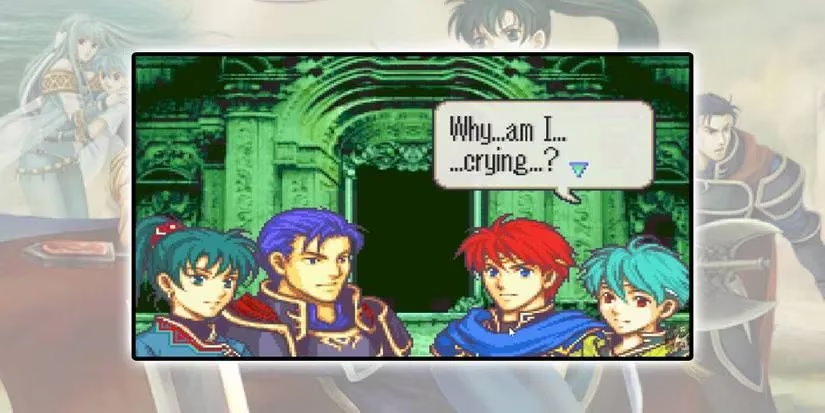
The Fire Emblem series has been breaking hearts for decades, and even in the latest entries with their modern graphics, the classic mode still ruthlessly removes fallen units forever. I learned this the hard way back in Rekka no Ken when I let my best cavalier die early, locking me out of recruiting a powerful new ally. Every character is a resource, and the final credits reflect all your losses and bonds. That weighty feeling persists in 2026: choosing between “classic” and “casual” is no small decision. It shapes everything from battle tactics to how you care for each pixelated comrade. Can you really call yourself a tactician if nobody’s life truly hangs in the balance?
Slay the Spire: Deckbuilding Roguelike Royalty
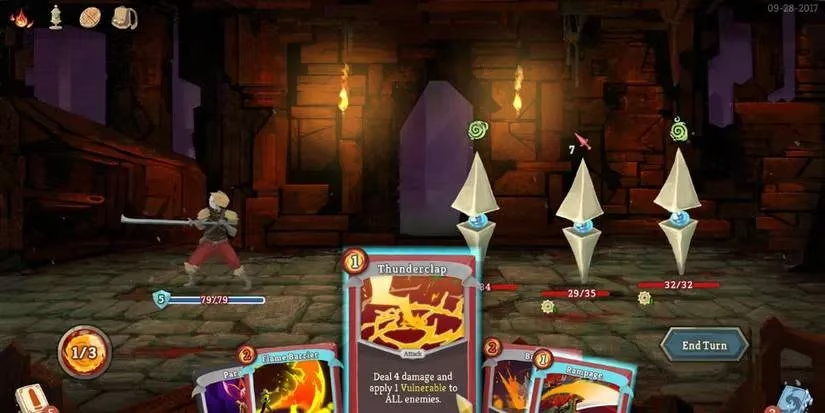
Even in 2026, Slay the Spire remains my go-to on Game Pass. Its permadeath is purely mechanical—each run ends in victory or death, granting XP and unlocking new cards for future attempts. There’s no grand storyline about your fallen hero, but the repeated ascensions slowly ramp up difficulty until you truly understand each character’s strengths. Death here isn’t a narrative tool; it’s a teacher. My hundredth loss against the Time Eater taught me more than any tutorial ever could. And that’s the essence of roguelike permadeath: mastering a system through iterative failure, where every setback makes you smarter.
State of Decay 2: Brutal Survival with Permanent Loss
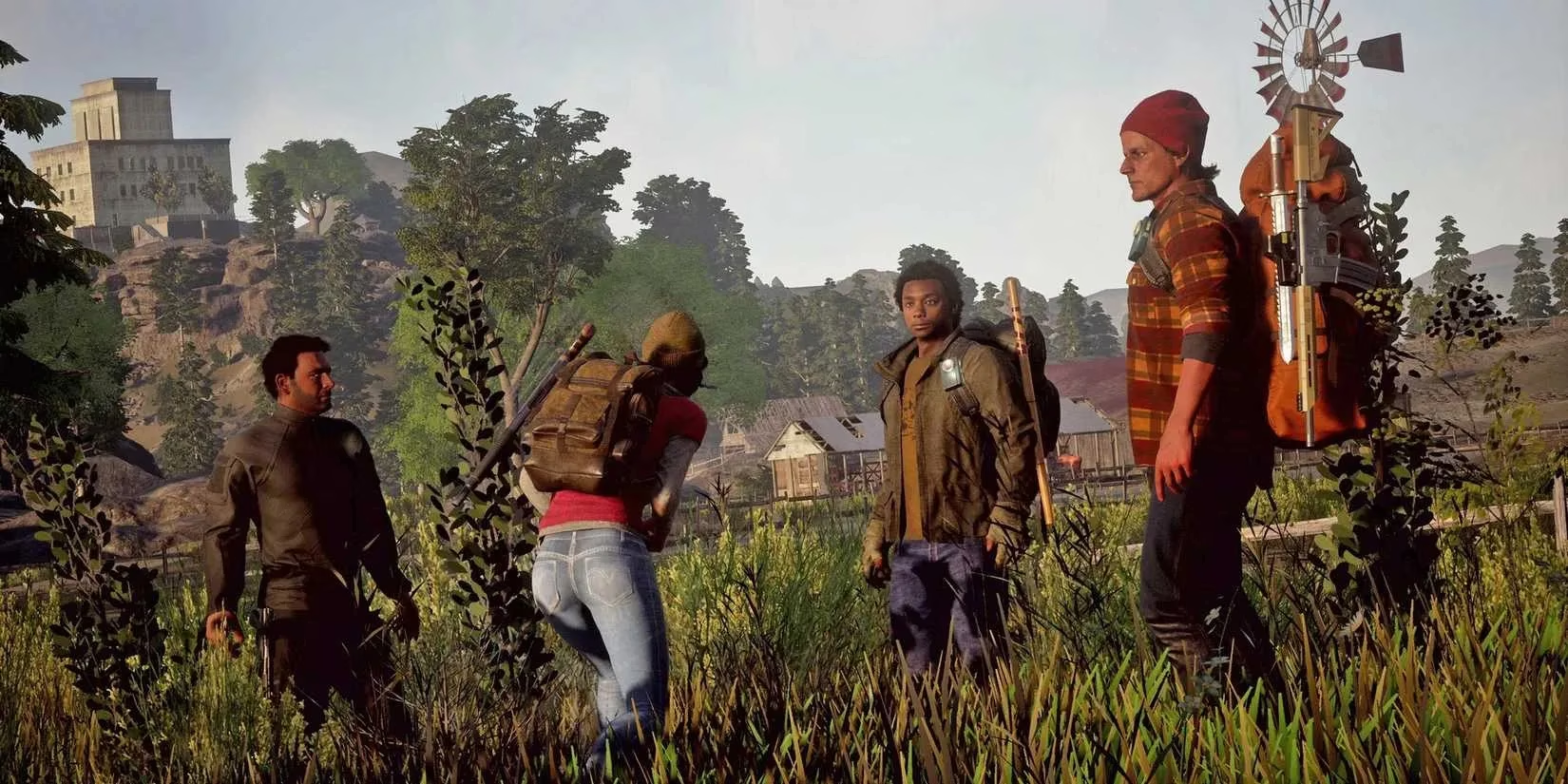
Zombie games are a dime a dozen, but when I returned to State of Decay 2 this year, the sting of losing a seasoned survivor still hit hard. You can build a thriving community, stockpile weapons, and secure your base, but one wrong encounter with a feral horde and that community member is gone forever. The ongoing attrition creates a palpable sense of despair—exactly what you want in a post-apocalyptic setting. It’s not about a game over screen; it’s about watching your resources and morale drain as deaths accumulate, forcing you to make harder and harder choices just to keep the lights on.
FTL: Faster Than Light – Crew Are A Resource
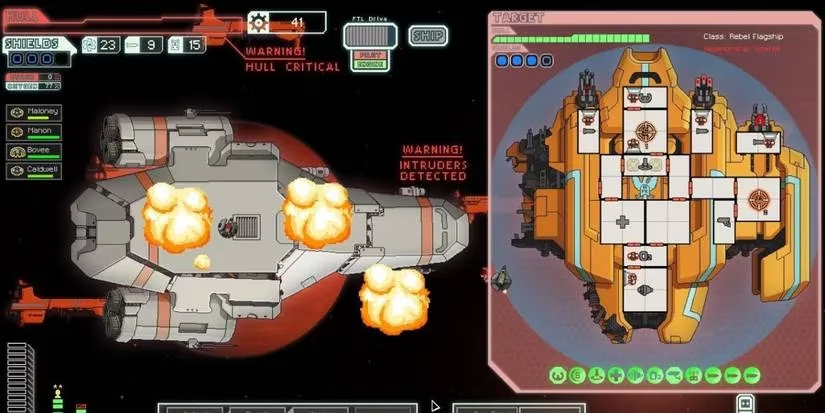
FTL taught me that no crew member is truly safe. Every officer operating a vital system is one critical hit away from death, and as they fall, your ship’s capabilities crumble. It’s the perfect marriage of permadeath and narrative. I vividly remember selling a desperate crew member into slavery to afford repairs, only for the ship to be torn apart in the next sector. Those stories stick with you because the deaths foretell your doom. Unlike Slay the Spire, FTL uses its roguelike structure to create desperate, memorable tales of sacrifice and survival in the cold vacuum of space.
XCOM 2: The RNG Gauntlet
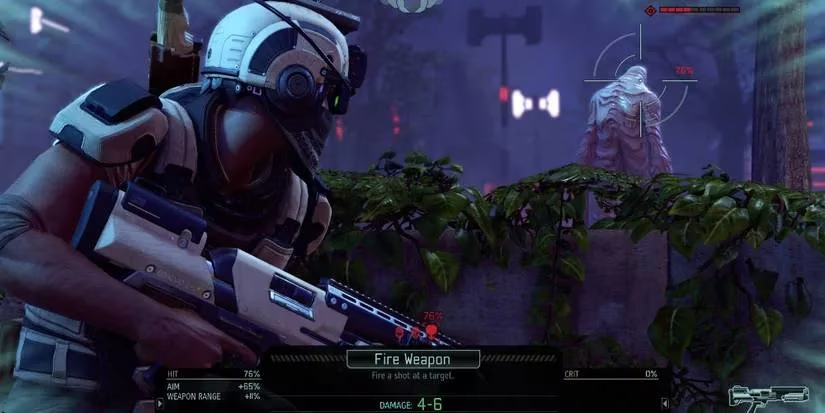
“Never trust the chance to hit.” I’ve muttered that more times than I can count since XCOM 2 first released. In 2026, its central campaign still delivers the most heart-wrenching permadeath moments. Your best sniper, leveled up through dozens of missions, can miss a 95% shot and be brutally eliminated on the alien’s turn. The permanent damage and fatigue system means you’re constantly gambling with your most valuable assets. Sending a rookie into the meat grinder because your elite soldiers are too wounded to deploy isn’t just a strategy—it’s a gut-wrenching management decision that defines this masterpiece.
Don’t Starve: Die To The Environment
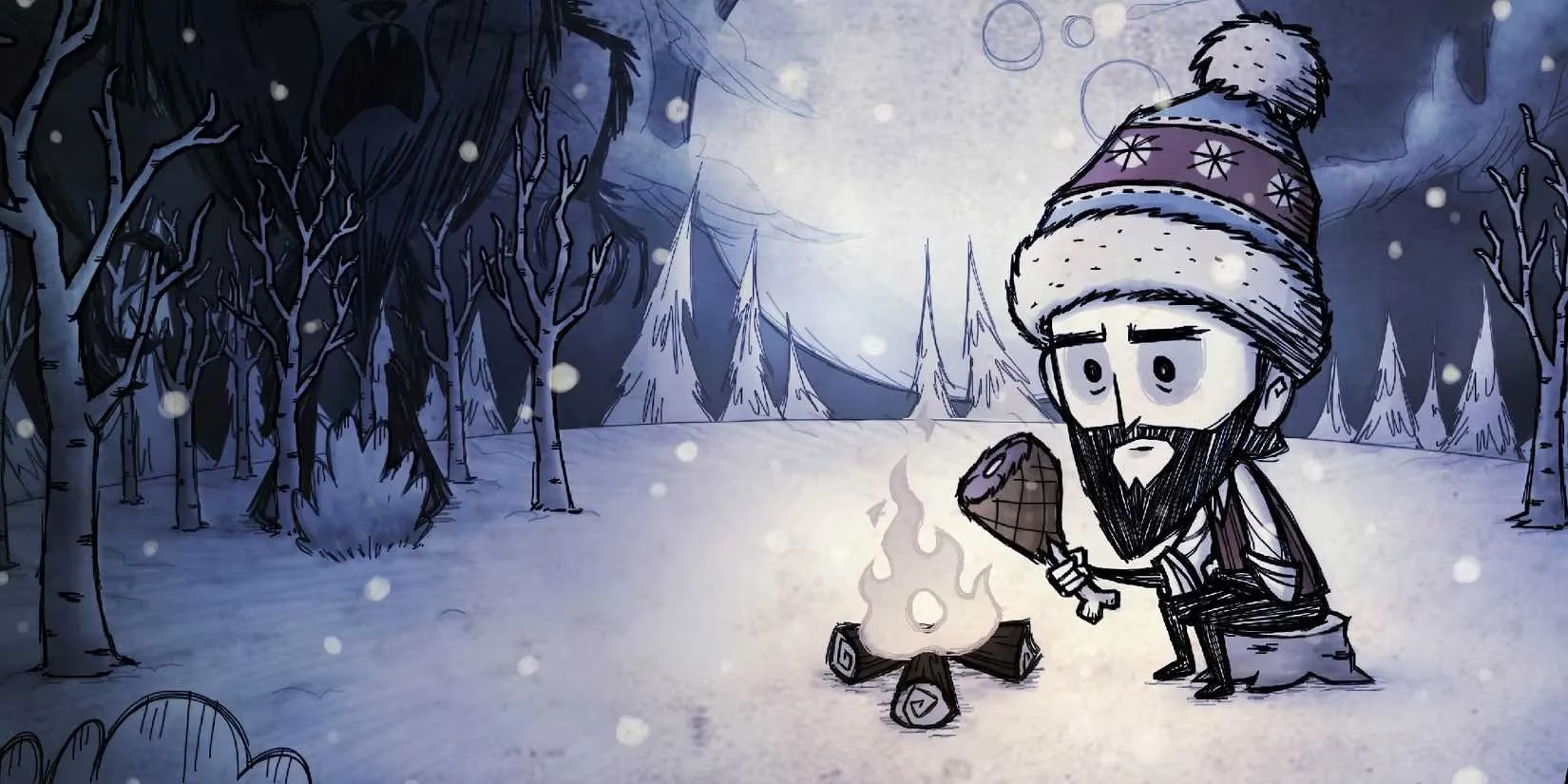
Most survival games throw monsters at you, but Don’t Starve makes the very environment your executioner. Winter will kill you if you haven’t prepared, and sanity loss can spawn nightmares that tear you apart. I’ve had runs end simply because I couldn’t find enough food for the night. This constant pressure turns even simple foraging into a high-stakes gamble. Permadeath here isn’t a punishment for combat failure; it’s the inevitable result of a slow, creeping decay. And that’s what makes it so brilliantly cruel.
Sunless Sea: The Ocean Is Evil
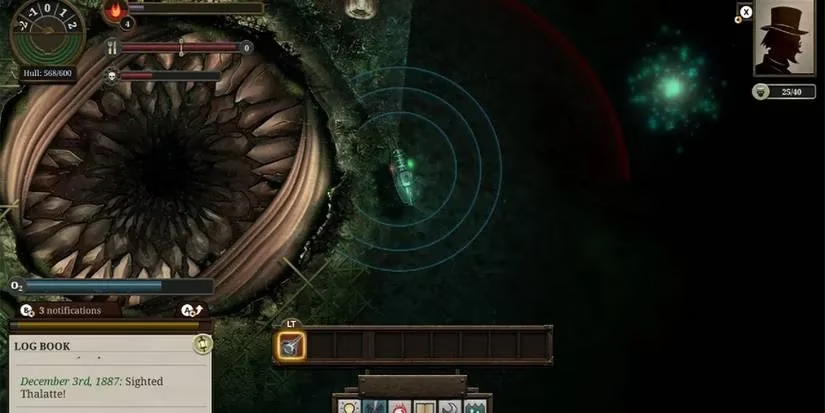
Diving into the Unterzee in Sunless Sea is a journey into madness. This Lovecraftian horror gem weaves character stories together with permadeath in a way few games can. Your recruited officers have their own tales, but those tales die with them if you aren’t careful. The genius lies in the legacy system: as Captain, you can pass heirlooms and your home to a scion after death, creating a multi-generational saga of obsession with the dark waves. It turns permadeath into a haunting narrative device, making every doomed captain just another chapter in your family’s cursed history.
RimWorld: Insane Community Simulator
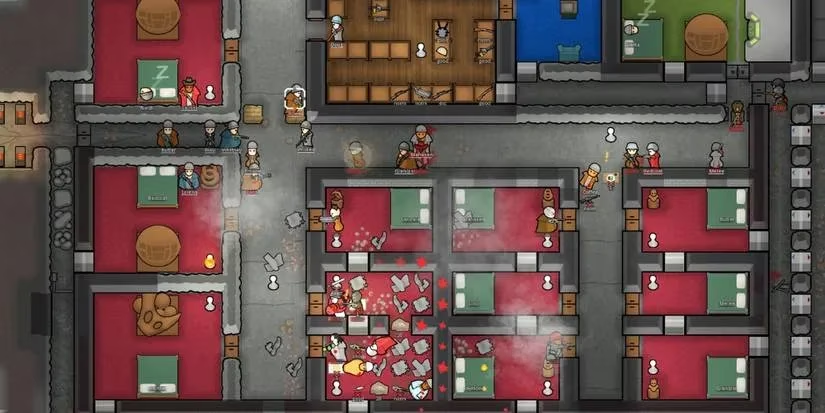
RimWorld is chaos engine in 2026, and I wouldn’t have it any other way. You don’t control your pawns directly; you give orders and hope their mood, skills, and relationships don’t lead to disaster. When a beloved colonist dies, the fallout can break the entire settlement. I’ve seen a single death cause a spiral of mental breaks, fistfights, and starvation. But that same trauma can harden survivors, pushing them to incredible feats. It’s storytelling through loss, unscripted and utterly unforgettable. Can a game without a main plot make you weep for a randomly generated colonist? Absolutely.
Darkest Dungeon: No Bravery Without Madness
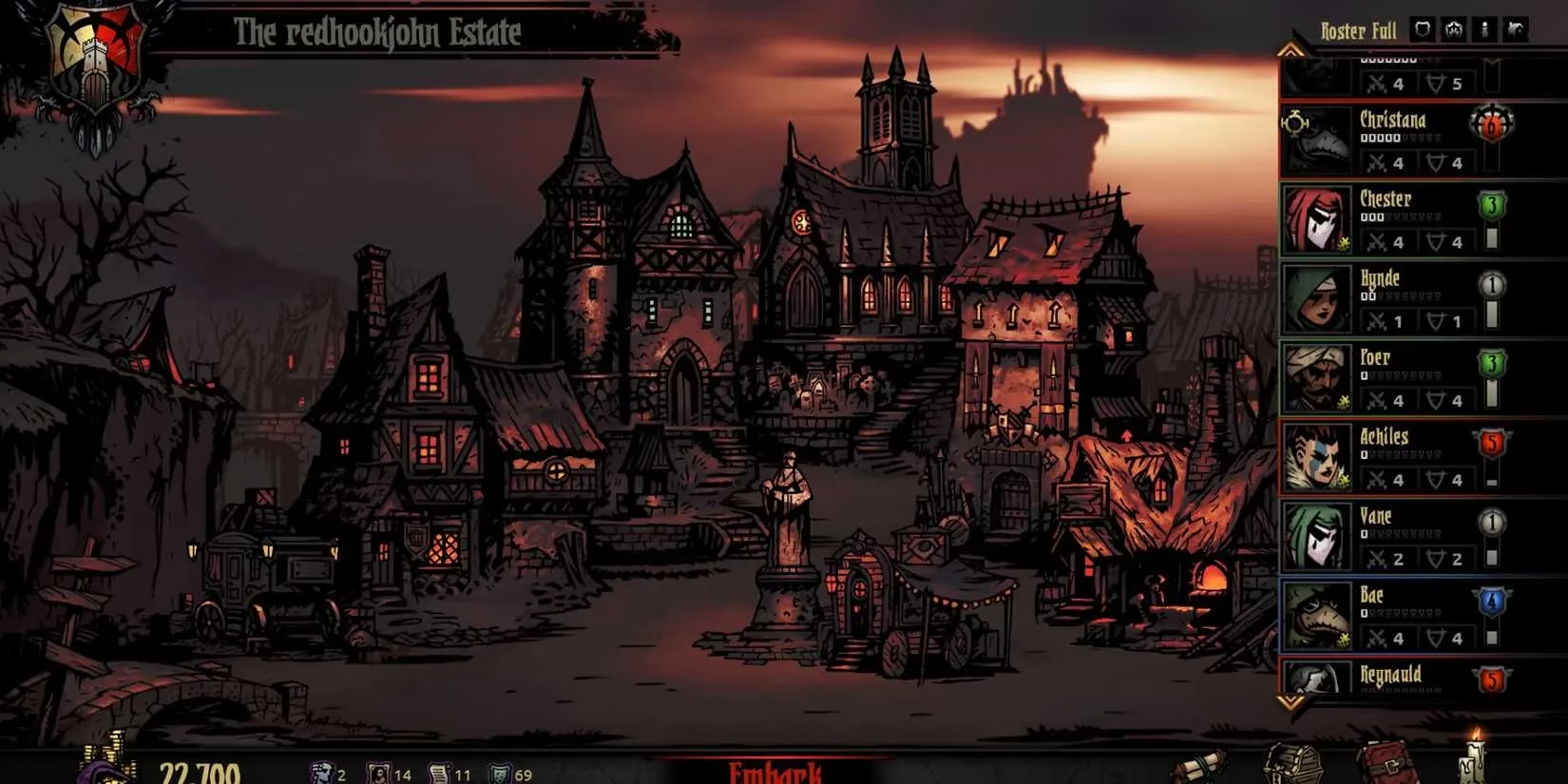
And finally, the pinnacle of permadeath in my mind: Darkest Dungeon. This gothic horror masterpiece wraps roguelike runs in a continuous narrative about reclaiming your ancestral home. Your heroes can gain strength and virtues, or they can slip into madness and die permanently. There is no true game over; the story progresses even as the graveyard fills. It’s a brutal cycle of hope and despair, perfectly matching the grim atmosphere. Each expedition asks the same question: how many will you sacrifice for redemption? In 2026, I still see new players discovering this truth, and I can’t help but smile grimly.
Permadeath isn’t just a relic of arcade days. It’s a design philosophy that reminds us why we play—not just to win, but to feel the weight of our decisions. These titles prove that in 2026, the best stories are still the ones where every life truly matters.
Comms Channel