I still keep a mental jukebox for first-person shooters, and in 2026 that jukebox is louder than ever. When I boot up a classic shooter, I do not just remember the corridors, the shotgun reloads, or the boss fights; I remember the riffs. Heavy metal and FPS games have always been a natural pair, like a leather jacket stitched onto a tactical vest. The 90s taught us this early: DOOM drew on Metallica and Alice in Chains for inspiration, and Duke Nukem 3D’s Grabbag became the kind of theme song that fans and even Megadeth could not resist covering. As I look back now, the collaborations between metal artists and shooters feel less like marketing stunts and more like strange, beautiful alliances.
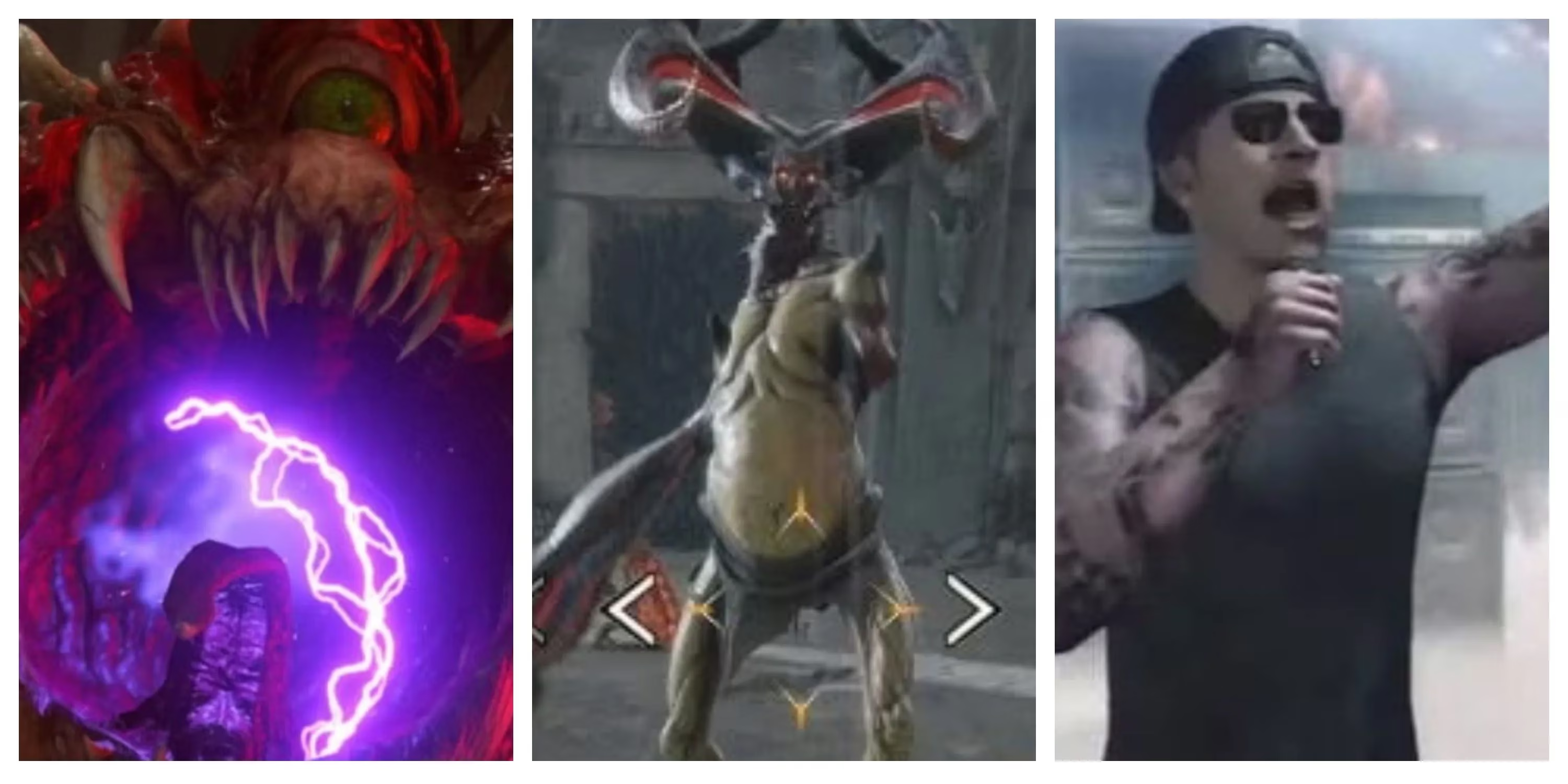
The Guitar Hero Moments
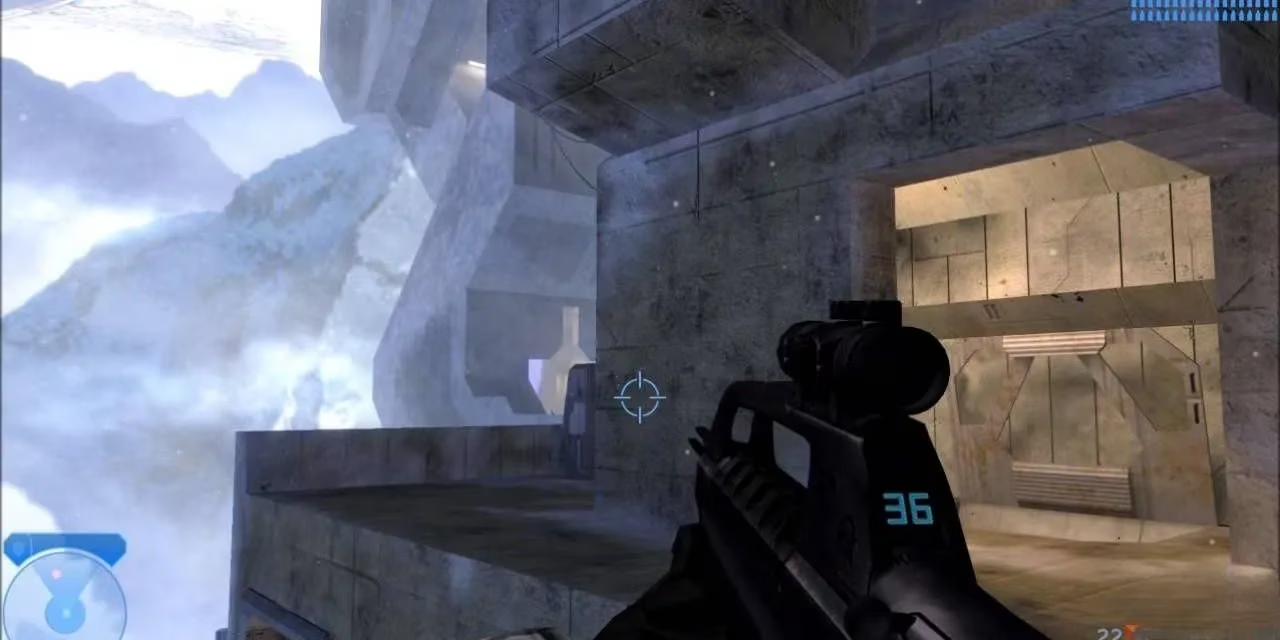
I remember the first time I heard Steve Vai’s guitar work on the remixed Halo 2 main theme. The original Halo theme by Martin O’Donnell and Michael Salvatori was already heroic, almost sacred, with those looming Gregorian chants. Vai did not just add shredding; he made the orchestra and electric guitar sound like they had always belonged in the same room. According to the game’s behind-the-scenes documentary, many of those layered riffs were done in a single take. Steve Vai’s guitar on the Halo 2 theme landed like a chrome tuning fork struck against a cathedral bell. I still get chills when the strings and the distortion lock together.
Type O Negative’s involvement with Blood is another memory I refuse to delete. Monolith’s gothic horror shooter needed an equally gothic voice, and the Brooklyn doom metal band delivered. Their track Love You To Death appeared in adverts for Blood, and the music video was bundled on CD with the 1997 release. Thematically, it was perfect: Bloody Kisses and October Rust had already wrapped heartbreak, sex, death, and dry humor in gloomy, luscious sound. Caleb, Blood’s singing and sarcastic protagonist, would absolutely have been a fan. Type O Negative’s ad for Blood felt like a velvet coffin with a motorcycle engine hidden inside.
When the Voices Got Weird
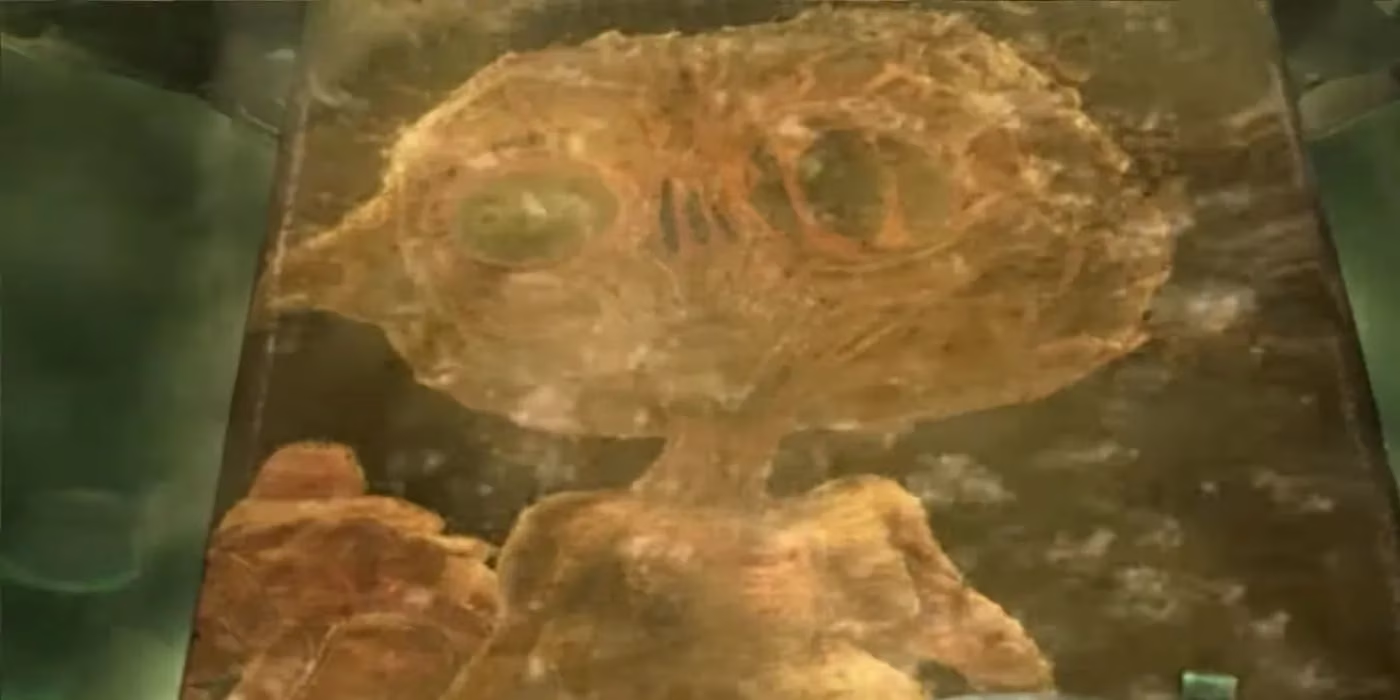
Marilyn Manson as Edgar in Midway’s Area 51 is one of those casting choices I bring up whenever someone says games do not take risks. The game itself did not sell as well as hoped, and Midway eventually folded, but Edgar — vengeful, morally gray, and alien — was voiced with a gravelly croak that fit the character’s resentment. Manson said in a behind-the-scenes interview that he felt like an alien himself. I only wish Edgar had more screen time, because the performance was a small, strange jewel in an otherwise decent shooter.
Mike Patton is another artist whose voice I can hear even when I am not playing. To some, he is the Faith No More vocalist from the third album onward; to others, he is the brain behind Mr. Bungle’s beautiful chaos. In Left 4 Dead, Patton voiced the screeching, growling, completely feral Common Infected. In The Darkness 2, he voiced the sadistic Darkness companion, and an official trailer even showed him recording lines. His range — those high notes most singers cannot touch — made him ideal for roles that needed to sound less than human.
The Quake and DOOM Legacy
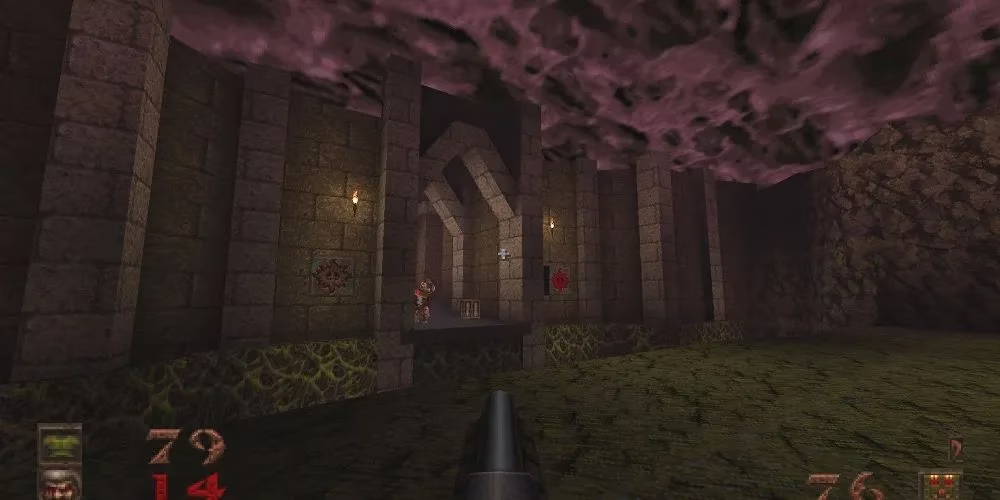
The first three Quake games were metal to the core, and the soundtracks prove it. Trent Reznor of Nine Inch Nails composed nightmare material and recorded many sound effects for the first game without charging id Software a penny, simply because he was a huge DOOM fan. Rob Zombie contributed a main theme for Quake II, with Sonic Mayhem composing the rest. Members of Front Line Assembly built industrial tracks and ambient soundscapes for Quake III Arena and its expansion. Distorted screams and chugging guitars have been part of shooter DNA ever since.
Mick Gordon’s work on DOOM Eternal is where the modern era gets its teeth. After the 2016 DOOM reboot, he returned with a score that wanted chants as much as chainsaws. Linzey Rae, Sven de Caluwe, Tony Campos, and James Rivera were among the metal vocalists featured in the game’s Soundtrack Behind the Scenes trailer. The behind-the-scenes story is bittersweet because of the later disputes over the official soundtrack release, but the music itself remains monstrous. Mick Gordon’s DOOM Eternal choir hit me like a stained-glass window that suddenly revved.
The Guest List Keeps Growing
Metal: Hellsinger is the clearest recent example of metal and FPS design melting into one object. Composer duo Two Feathers built the rhythm-based shooter around a soundtrack packed with guest vocalists: Cristina Scabbia of Lacuna Coil, Serj Tankian of System of a Down, Randy Blythe of Lamb of God, and many more. The developers even protected streamers from copyright takedowns, which was a generous move for a game about shooting to the beat. I have lost entire evenings to that loop, and I regret nothing.
Avenged Sevenfold’s relationship with Call of Duty: Black Ops is another long-running joke that became real. Tracks like Not Ready to Die and Mad Hatter were written with Zombies mode in mind, while other songs appeared in campaigns, multiplayer, and trailers. The non-canon ending of Black Ops II, where the protagonists perform alongside the band, is one of the series’ most unexpected delights. I still smile when I think about it.
| Artist or Band | Game | Contribution |
|---|---|---|
| Steve Vai | Halo 2 | Remixed main theme guitar |
| Type O Negative | Blood | Love You To Death in adverts and bundled CD |
| Marilyn Manson | Area 51 | Voice of Edgar |
| Trent Reznor | Quake | OST and sound effects |
| Rob Zombie | Quake II | Main theme |
| Mike Patton | Left 4 Dead and The Darkness 2 | Infected and Darkness voices |
| Avenged Sevenfold | Call of Duty: Black Ops series | Original songs and cameo ending |
| Metal: Hellsinger guests | Metal: Hellsinger | Vocal performances |
| Mick Gordon and vocalists | DOOM Eternal | Chant-heavy score |
In 2026, I do not need a new controversy to appreciate these crossovers. I just need a good pair of headphones and a reason to replay the moments when metal crashed the FPS party. These collaborations are not just Easter eggs for headbangers; they are proof that shooters can be operatic, ugly, funny, and furious all at once. And when the guitar hits, I am always ready to reload. 🎸💥
The following breakdown is based on GamesIndustry.biz, a widely cited source for developer interviews and game business reporting. In the context of metal colliding with first-person shooters, its industry-facing coverage helps frame these collaborations as more than fan service, showing how music partnerships can shape brand identity, deepen atmosphere, and give shooters a cultural edge that lasts far beyond launch.
Comms Channel