In 2026, a player can summon a walkthrough in seconds, yet some of gaming's most memorable secrets still refuse to live inside the game itself. They hide on box art, in fake websites, in deleted character files, and in the quiet space between player and screen. The developers behind these tricks were not just designing puzzles; they were telling a story that reached through the monitor. What follows is a journey through some of the boldest meta tricks ever slipped into games, still discussed by archivists, speedrunners, and curious newcomers in 2026.
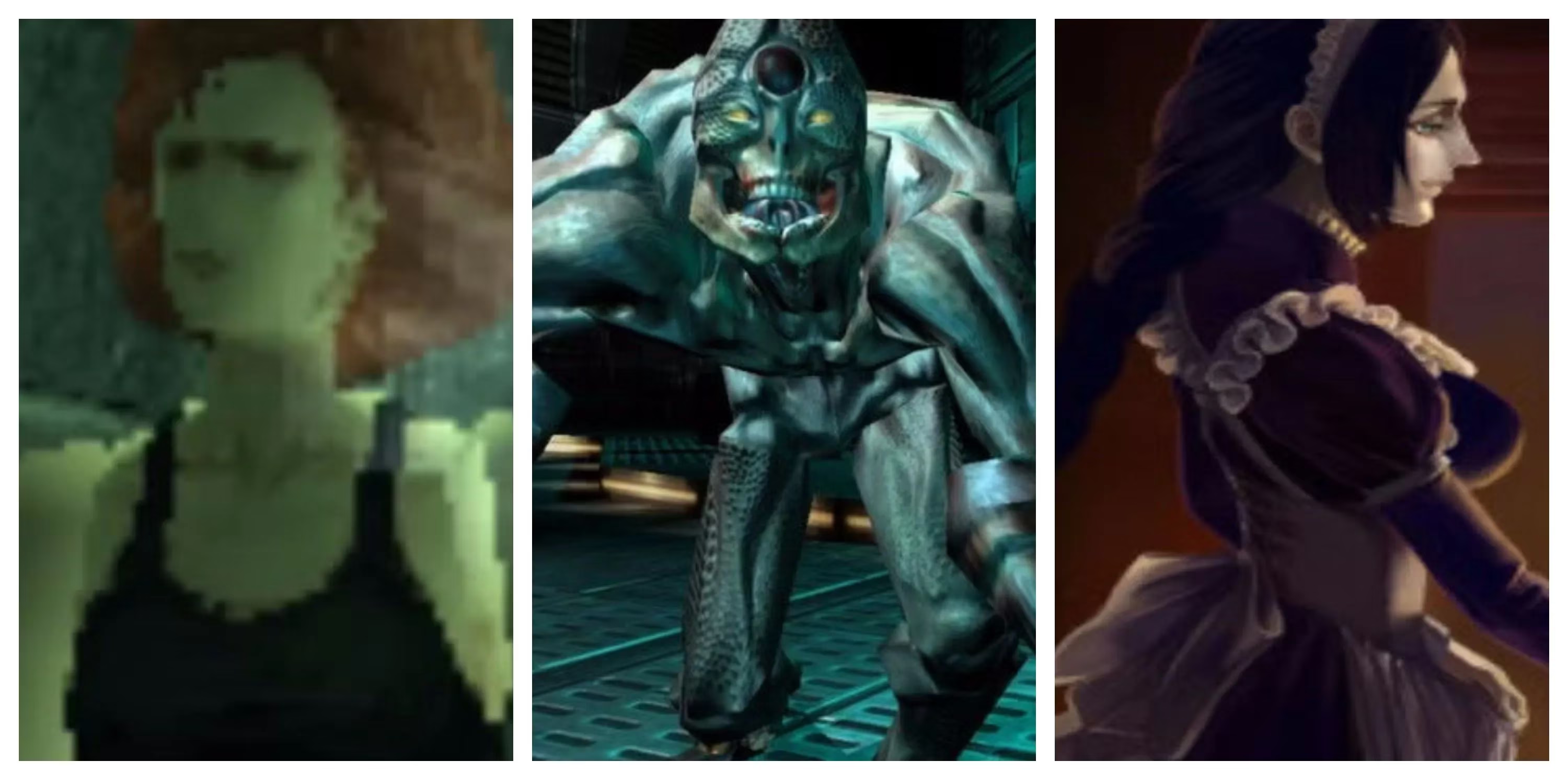
DOOM 3: The Locker Code That Lived on a Fake Website
id Software understood that a horror game could make players paranoid even when they were not holding a controller. In DOOM 3, audio logs and emails often carried codes for lockers and doors, a design choice that deepened the lore but sometimes felt like a chore. The cleverest example involved Martian Buddy, a fictional company whose spam adverts appeared throughout the game. A few company-owned lockers in Administration and Delta Labs, Level 2B, could only be opened with a four-digit code found on a now-defunct Martian Buddy website. Someone in the story had known what was coming and smuggled in a chaingun and a BFG9000 for the fight against Hell. In DOOM 3: BFG Edition, the code was written in the title of an email sent to a specific scientist's PDA. Either way, players could arm themselves earlier than expected.
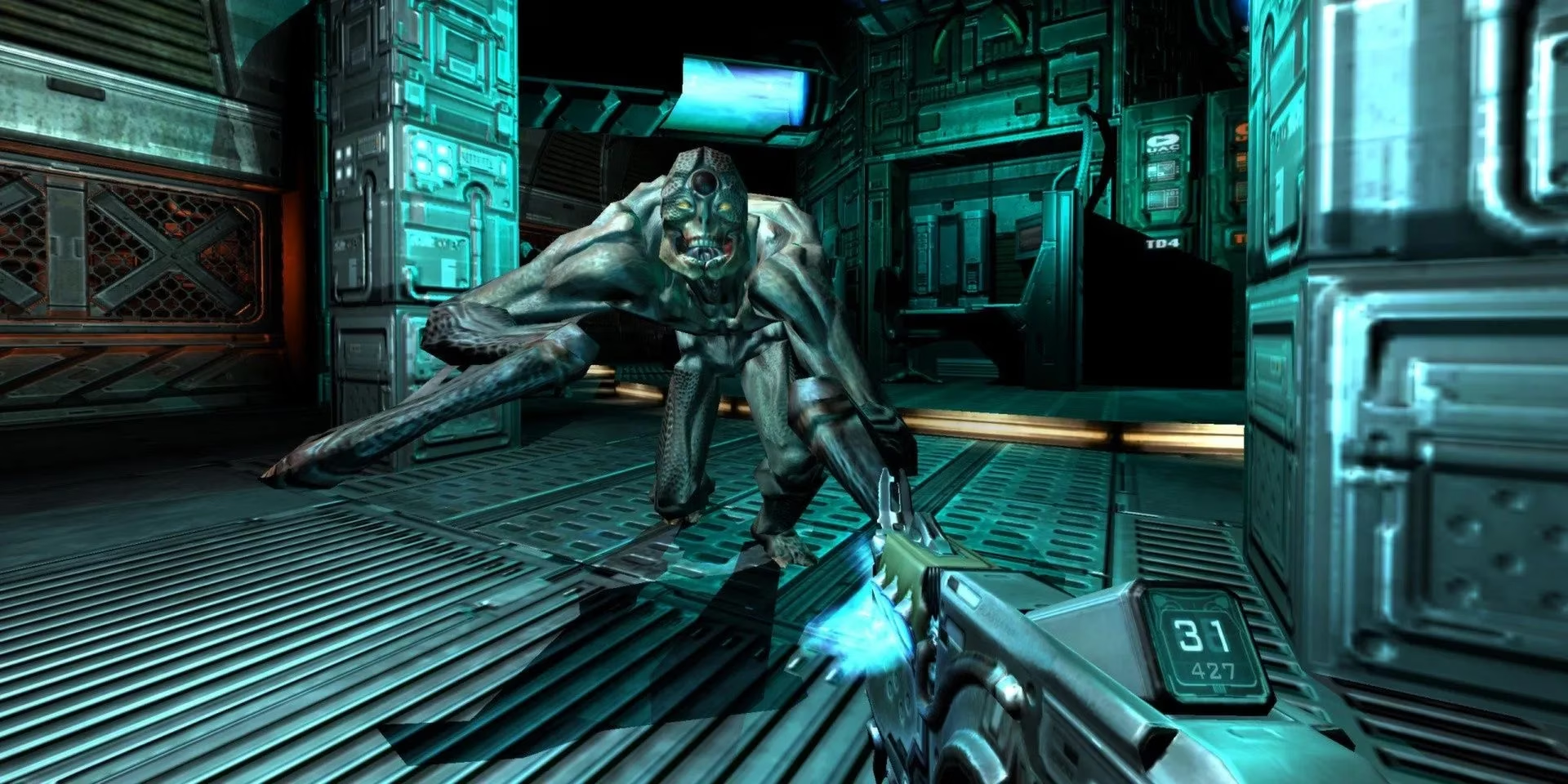
Metal Gear Solid: The Frequency on the CD Case
Hideo Kojima has always enjoyed pulling the rug out from under players, but Metal Gear Solid in 1999 may have been his boldest fourth-wall break. After the boss battle with Revolver Ocelot, Colonel Campbell told Snake to contact Meryl. The hint was simple and absurd: her frequency was written on the back of the CD case. Players who ignored the physical package searched for random codec frequencies, while others stared at the game box and realized the answer had been sitting on their shelf the whole time. A screenshot was deliberately added to the back of the box art, showing Snake on-call with Meryl and even saying her name. In 2026, digital storefronts and re-releases have softened the trick, but its legend remains.
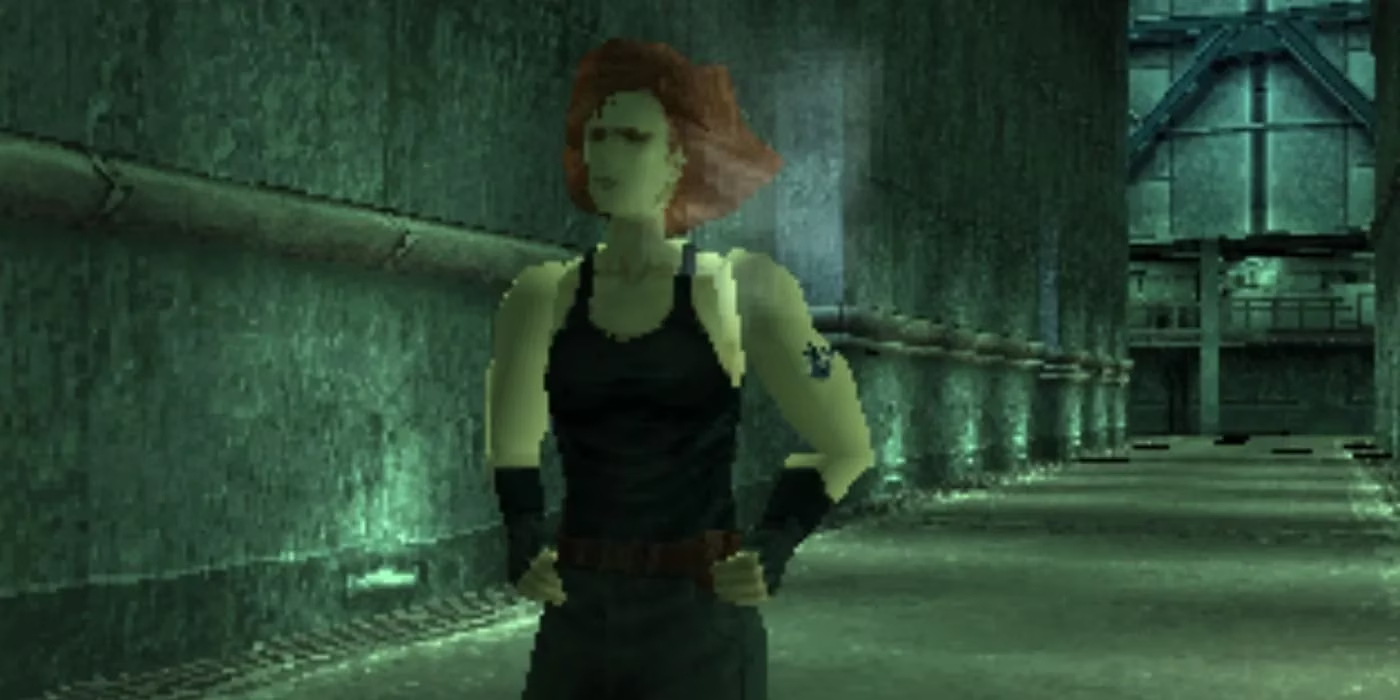
Doki Doki Literature Club!: The File You Must Delete
No one expected Doki Doki Literature Club! to become a global phenomenon, and no one expected it to become a nightmare. The game begins as a cheery visual novel about dating cute girls, then shatters its own facade in the final act. The player is left with Monika, the Literature Club leader, staring directly into the screen from her room. Dialogue branches do not help. Restarting does not help. The only way out, as Monika hints, is to delete her character file from the game's documents. It is a meta trick that turns the player's own computer into part of the horror. By 2026, DDLC Plus! has expanded the story, but the original file deletion still feels like a rite of passage.
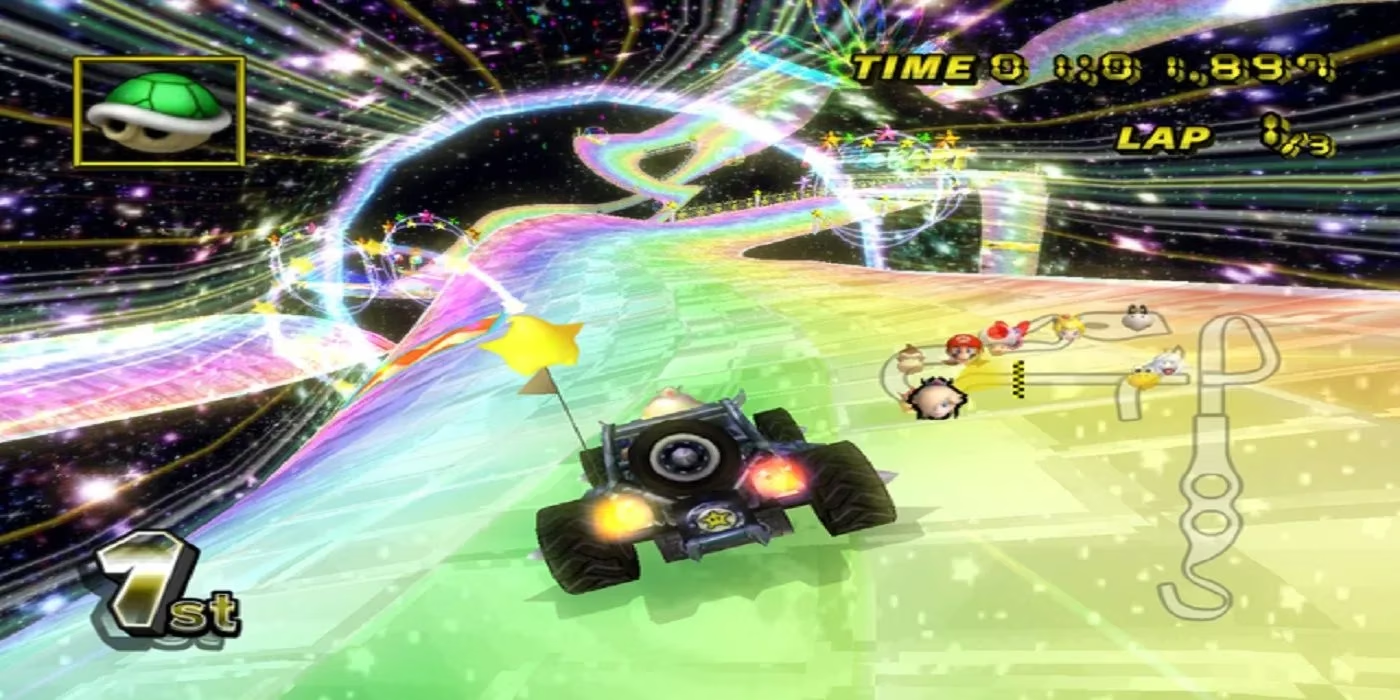
Mario Kart Wii: Rosalina's Super Mario Galaxy Shortcut
Mario Kart Wii was packed with difficult unlocks, and Rosalina was one of the most demanding. Normally, a player had to acquire Mirror Mode by completing every 150cc cup, then earn a one-star rating on each Mirror Mode Grand Prix cup. That required near-perfect racing. A shortcut existed, however, for those who remembered Rosalina's debut in Super Mario Galaxy. If a Super Mario Galaxy save file was present on the console, the player could simply play 50 races, regardless of the outcome. After that, booting up Mario Kart Wii with the save state on the system would trigger a surprise unlock. In 2026, fan servers and emulation communities keep this trick alive for a new generation.
The House in Fata Morgana: Red Text in the History Log
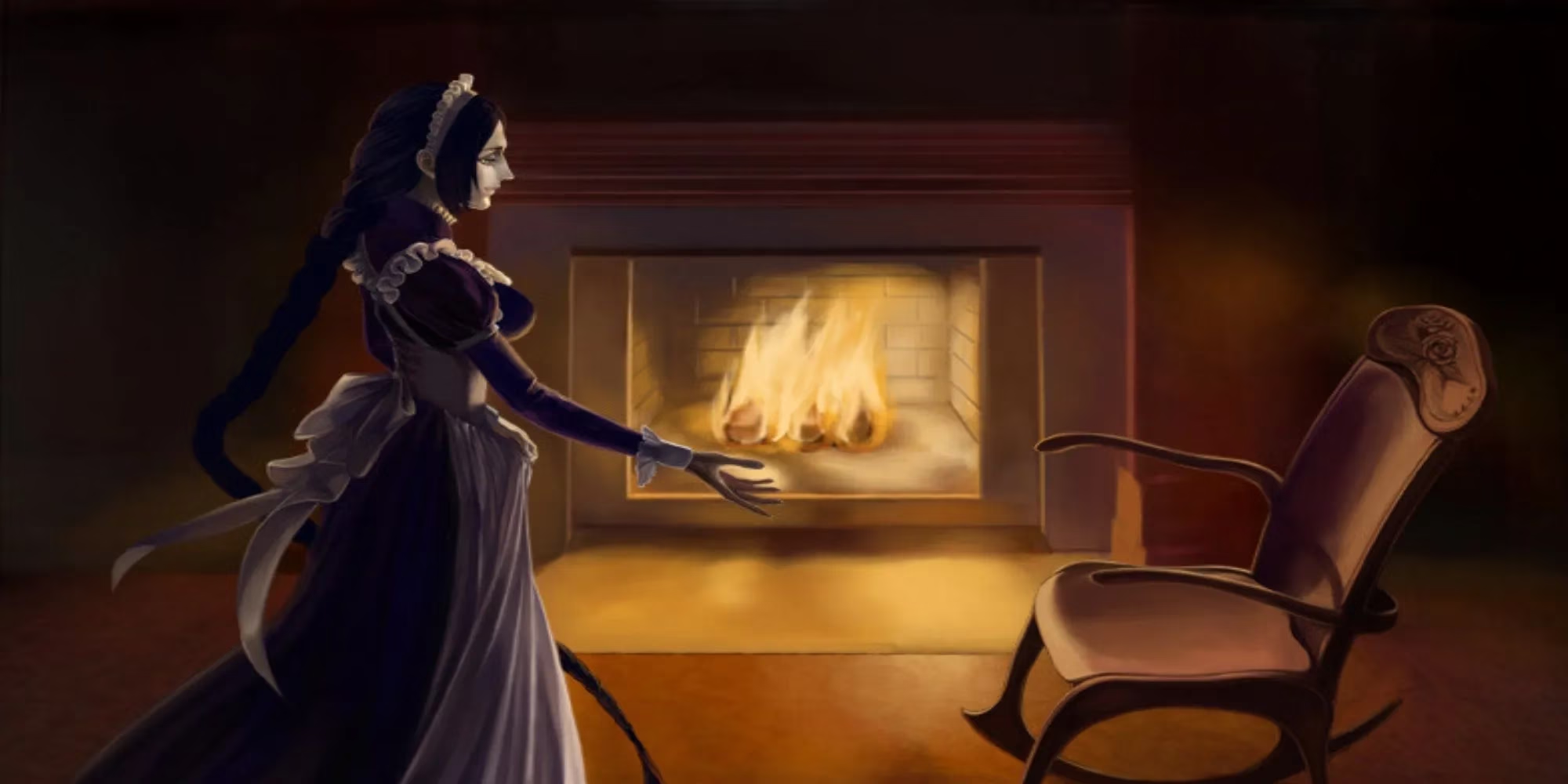
Visual novels often include a dialogue history feature, allowing players to re-read previously spoken lines. The House in Fata Morgana, a gothic horror masterpiece, used that convenience as a hidden channel. The game spends much of its time revealing tragic stories inside a mansion, and the fourth story reads like a fairy tale. If a player opened the dialogue history during that tale, additional text appeared in red. This hidden dialogue came from the main antagonist, scolding and laughing at the protagonist as the story unfolded. It was a brilliant detail for keen-eyed readers, and in 2026, the game's reputation as a slow-burn horror classic has only grown.

WarioWare: Twisted and Touched: The Mona Pizza Bonus Record
WarioWare: Twisted was a fantastic Game Boy Advance game that experimented with motion controls, and it introduced one of the series' catchiest songs: Mona Pizza, performed by the talented teenager Mona. The track is a peppy tribute to the restaurant named after her. In WarioWare: Touched, fans who played with a WarioWare: Twisted cartridge inserted into their DS were treated to a bonus record in the unlockable in-game music player. It was a vinyl of the Mona Pizza single that could be played inside the game. The trick even worked on PAL versions, despite Twisted never being released in Europe and the UK. In 2026, this remains a favorite example of cross-cartridge magic.
Eternal Darkness: Sanity's Requiem: The Fake Save Deletion
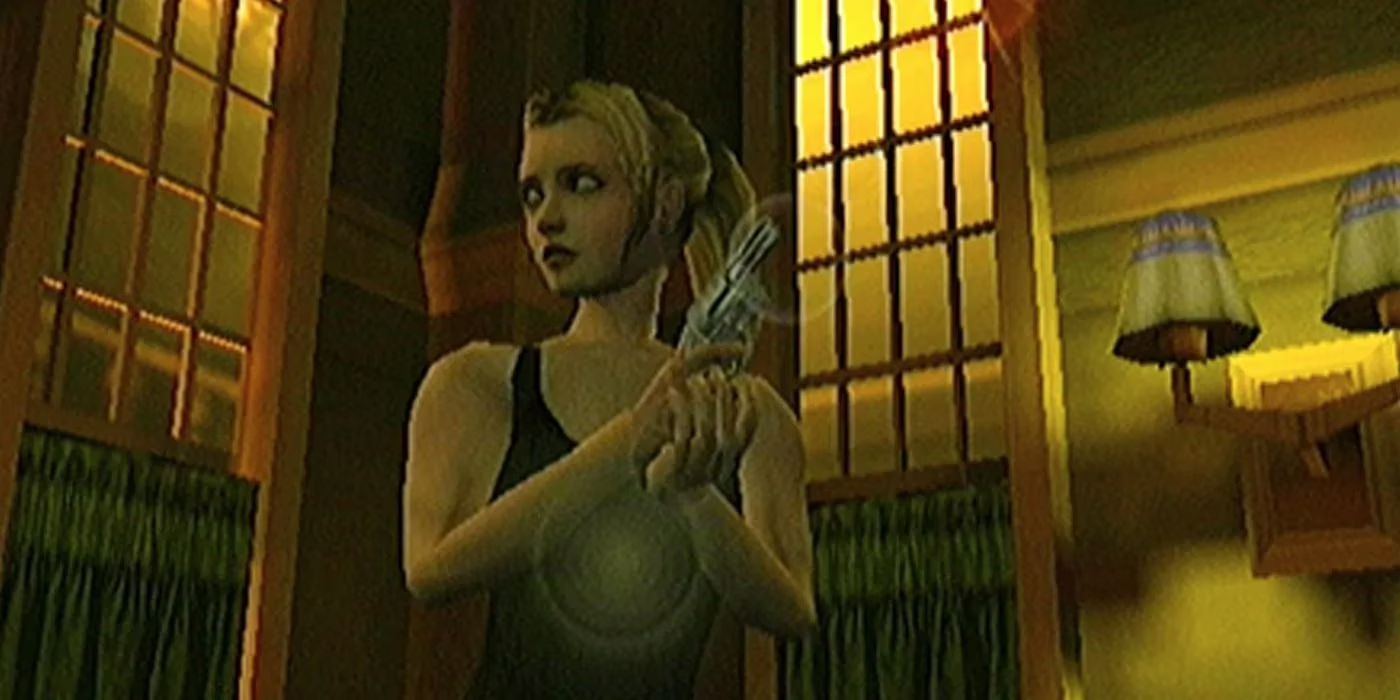
Eternal Darkness: Sanity's Requiem was a survival horror game that made the player's own confidence part of the battlefield. When the sanity meter dropped, trippy effects began to distort the experience. Some effects broke the fourth wall completely. The TV might turn black while the player shouted in pain from enemy attacks. The game might abruptly end and hint at a fake sequel. The cheekiest trick came when the game pretended to delete all save data just as the player tried to save. Each illusion ended with a flash of light that reset everything, while the protagonist exclaimed that this could not be happening. In 2026, the game is still a cult classic and a benchmark for psychological horror.
Borderlands 3: Hidden Codes in the Artwork
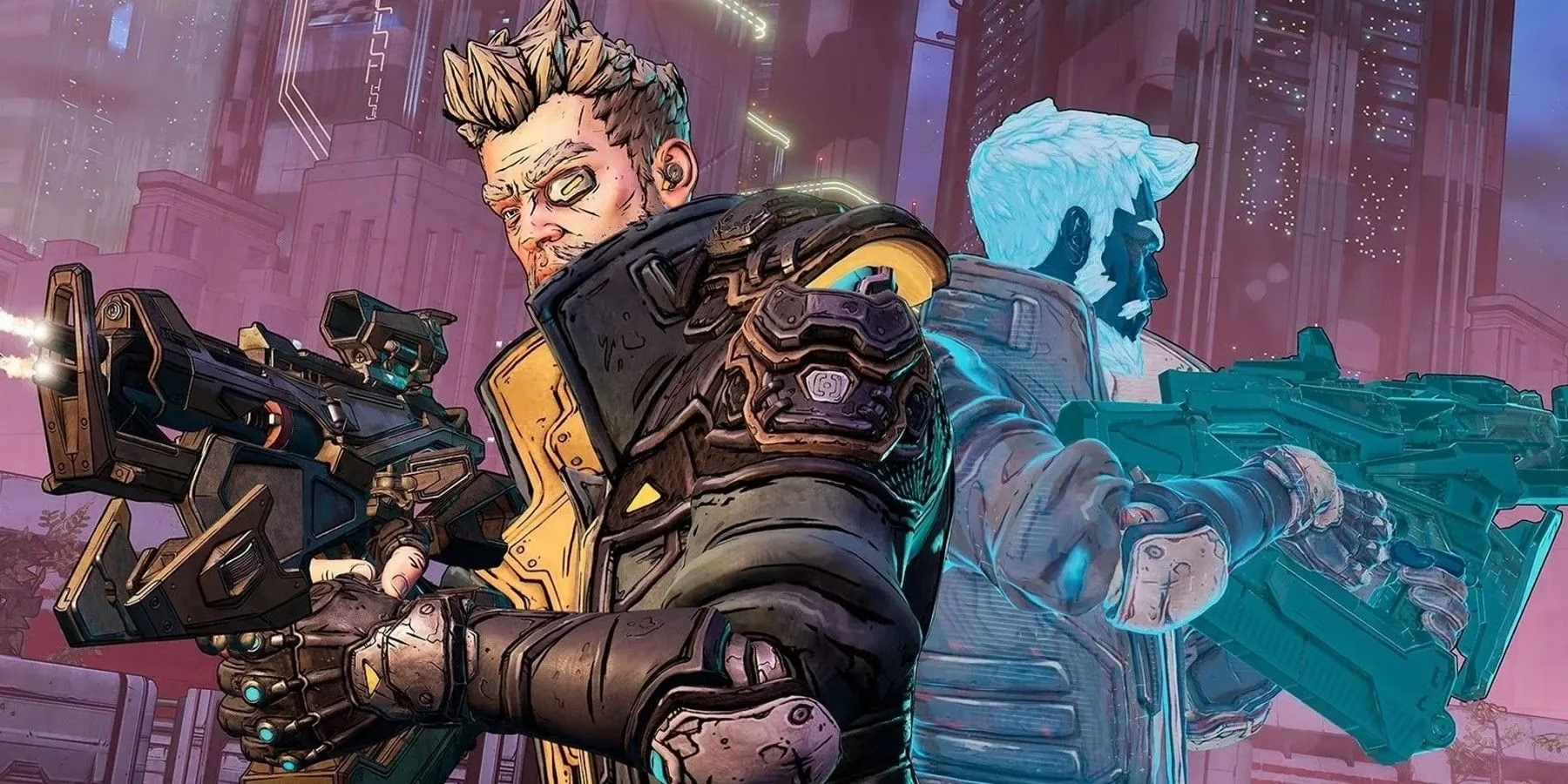
Gearbox kept sleuthing players busy by slipping secret messages into Borderlands 3's artwork. Through editing techniques, fans discovered letters and numbers hidden among the guns and weapons. Those clues could be used on the Borderlands website with a SWiFT account to unlock Maya's Closing Time head and Last Call skin for Borderlands 2. Fans also uncovered messages such as Who is the Destroyer? and Where is the first Vault Hunter? The first references the final boss of the original game, while the second teases deeper lore. Supposedly, more hidden messages remain in Borderlands 3's art, waiting to be uncovered. In 2026, datamining communities still hunt for them.
Why These Meta Tricks Still Matter
| Game | Meta Trick | Why It Endures in 2026 |
|---|---|---|
| DOOM 3 | Fake website locker code | Archive sites and re-releases preserve the code |
| Metal Gear Solid | Frequency on the CD case | Box art remains a physical artifact |
| Doki Doki Literature Club! | Delete Monika's file | The player's computer becomes part of the story |
| Mario Kart Wii | Super Mario Galaxy save shortcut | Emulation and fan servers keep it discoverable |
| The House in Fata Morgana | Red text in history log | Visual novel fans celebrate hidden layers |
| WarioWare: Twisted and Touched | Mona Pizza bonus record | Cross-cartridge tricks are rare and beloved |
| Eternal Darkness | Fake save deletion | Psychological horror still thrives on trust |
| Borderlands 3 | Artwork codes | Community sleuthing never truly stops |
These tricks endure because they treat the player as a collaborator, not just a consumer. They ask someone to look at a box, open a folder, visit a dead website, or insert an old cartridge. In 2026, when games are often live services and digital storefronts, that kind of meta mischief feels almost rebellious. It reminds players that a game can be more than software. It can be a puzzle that escapes the screen, a joke shared between developer and audience, and a memory that lingers long after the console is turned off. 🎮
That same instinct — digging through details other people skim past — is what makes players so good at spotting things developers hide in plain sight. It also happens to be useful outside the game itself. The hunt for a hidden code in a weapon skin isn't so different from the hunt for a fair price, and the community that shares secrets on forums tends to share deals there too. When a big cinematic release like God of War Ragnarök shows up on multiple storefronts with different bundles, editions, and regional quirks, it takes the same kind of patient comparison to avoid paying more than you have to.
If you'd rather spend your evening chasing hidden messages than refreshing store pages, tools like PriceRadar exist for exactly that reason. It gathers listings in one place so you can quickly compare God of War Ragnarök prices across retailers and pick the version that fits your budget. Consider it a small quality-of-life trick of its own — nothing as clever as a code buried in box art, but one that leaves more money for the games that keep leaving secrets behind.
Comms Channel