Hell in video games is less a single location than a filing cabinet of human anxieties, with each drawer labeled by a different genre. A fantasy role-playing game reaches for brimstone and hierarchy; a shooter reaches for meat and momentum; a psychological horror game reaches inward. In 2026, that versatility remains the underworld's greatest strength. The most durable depictions are not always the most literal. Some build a furnace, some build a bureaucracy, and some build a private prison behind the eyes. A survey of ten notable games shows how far the medium has traveled from simple fire-and-brimstone backdrops.
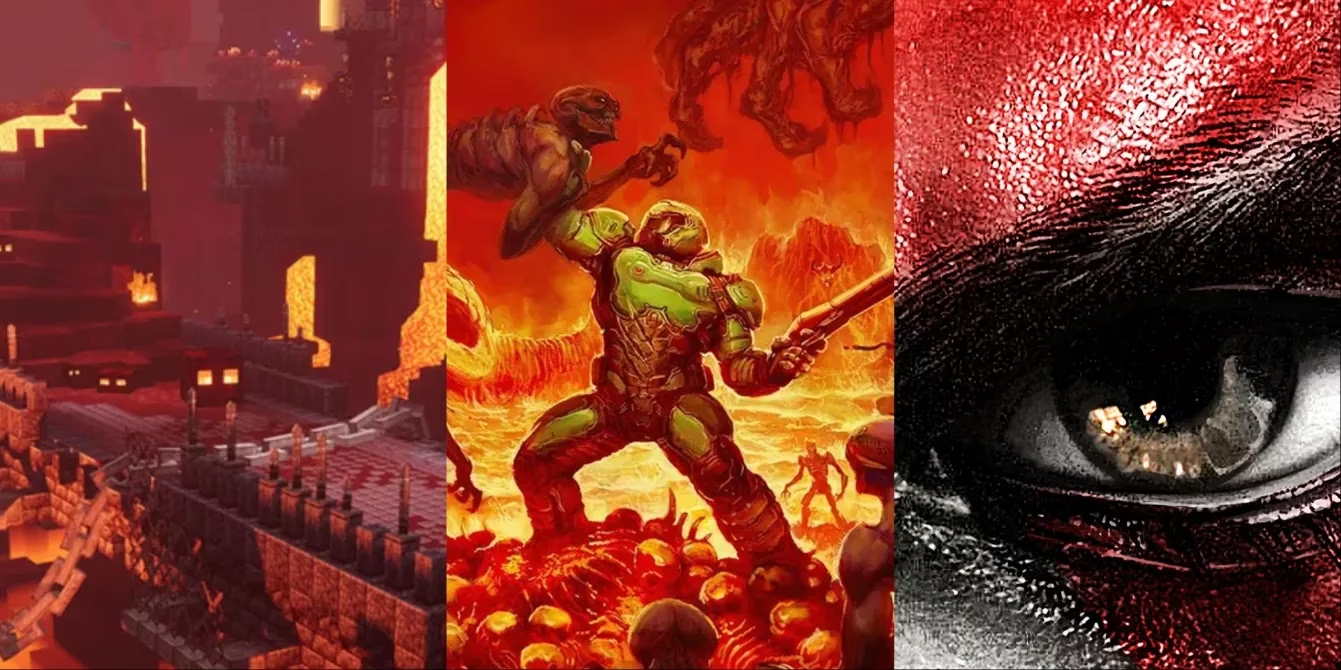
Fire, Fiction, and the Virtual Furnace
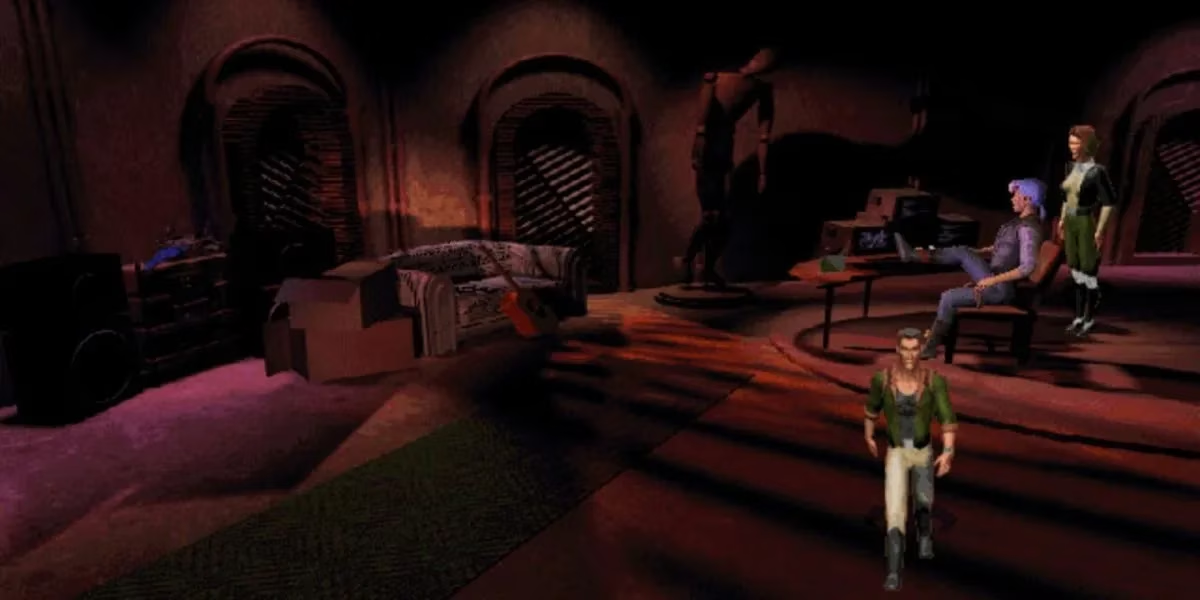
One of the earliest games from Take-Two Interactive, Hell: A Cyberpunk Thriller, is a point-and-click adventure about the Hand of God, a fascist theocracy that banishes criminals and delinquents to Hell. What first appears fantastical gradually reveals itself as science fiction: Hell is a virtual-reality computer program designed to keep the population in check. The plot and gameplay may feel dated, and its coincidental similarities to The Matrix are hard to ignore, but the game offers a genuinely unusual take on the infernal dimension. Damnation becomes a control system, and the underworld becomes a server farm for obedience.
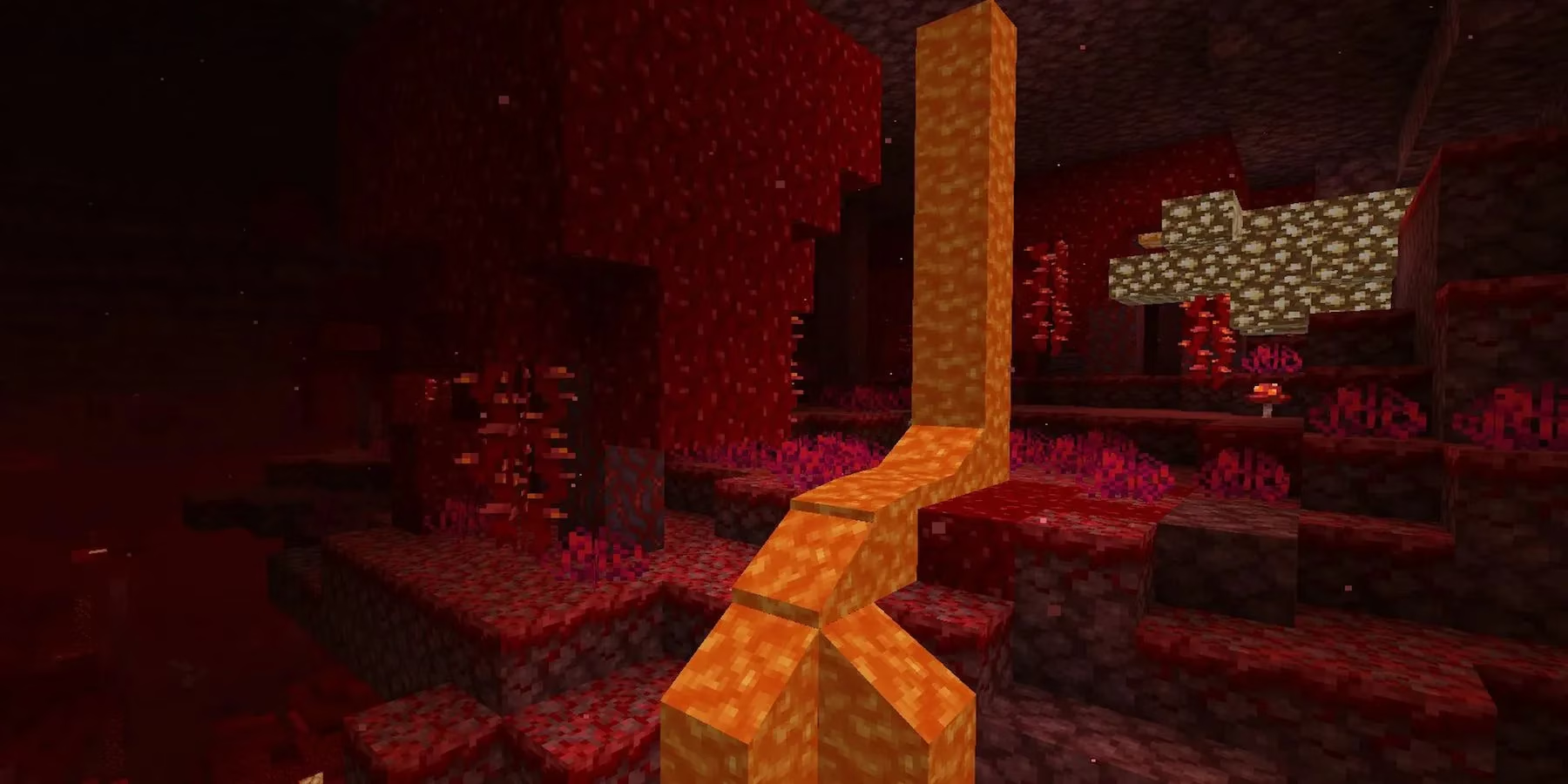
Mojang's blockbuster Minecraft is not technically set in Hell, but the Nether functions as a red, flaming dimension of sinister creatures and cavernous structures. The lack of pressured direction allows players to spend entire sessions there, and the experience becomes more terrifying when a portal is lost or accidentally destroyed. The Nether is a trapdoor disguised as a doorbell: it looks like an invitation, then closes behind the player. The pixilated, blocky environment should not fool anyone into thinking the journey is low-stakes, because it is not.
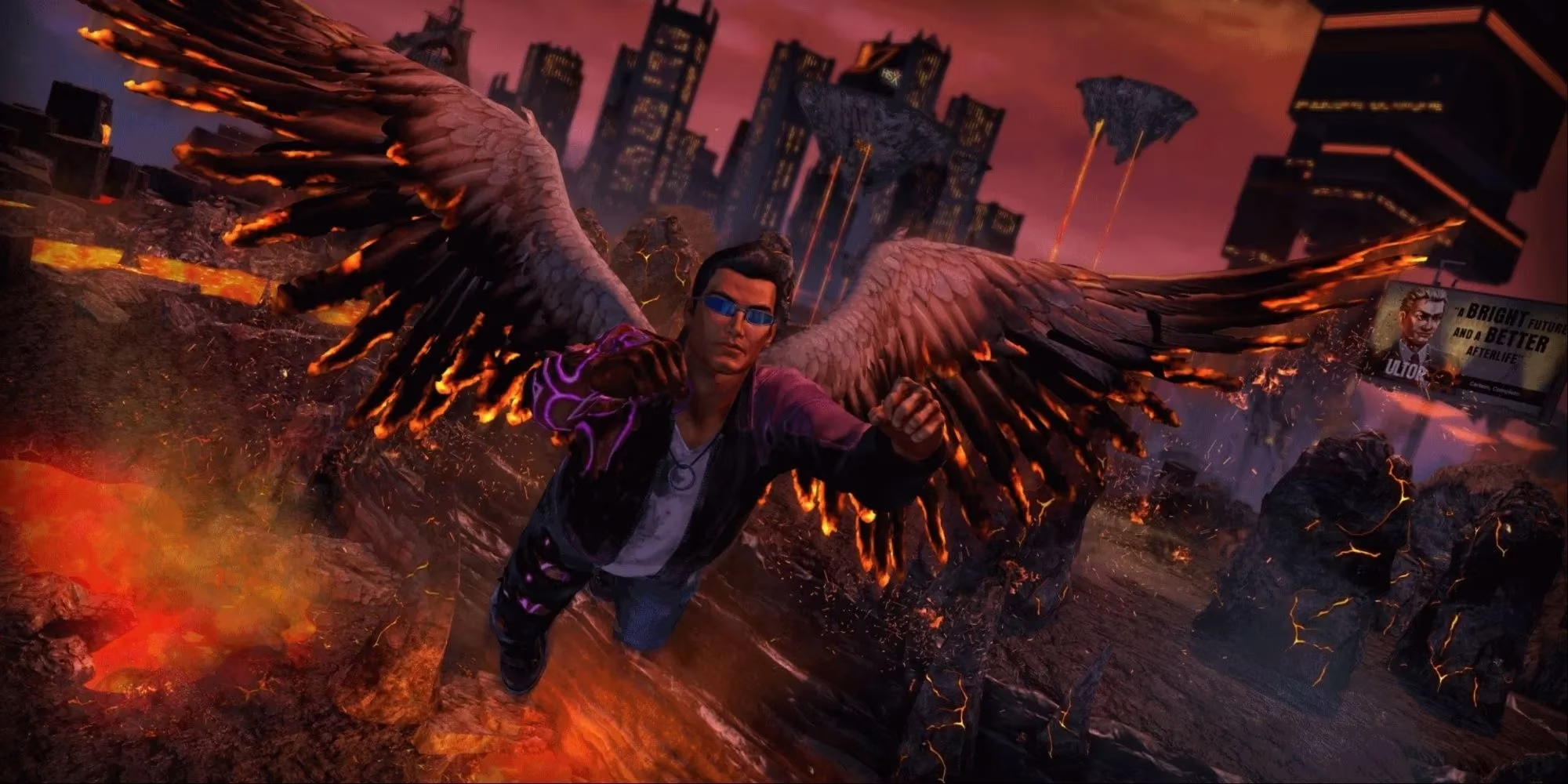
Saints Row: Gat Out of Hell was the final piece of Saints Row content before the reboot, and it could hardly be further from where the series began. The amalgamated American city of Stillwater is replaced by the domain of Satan, and the campaign offers a humorous take on the devil and his minions. Johnny Gat recruits a team of allies inside a corporation-heavy Hell, and the climax includes a fight with Satan himself. The result is one of the more rewarding depictions of the underworld, partly because it treats damnation as a workplace comedy with pitchforks.
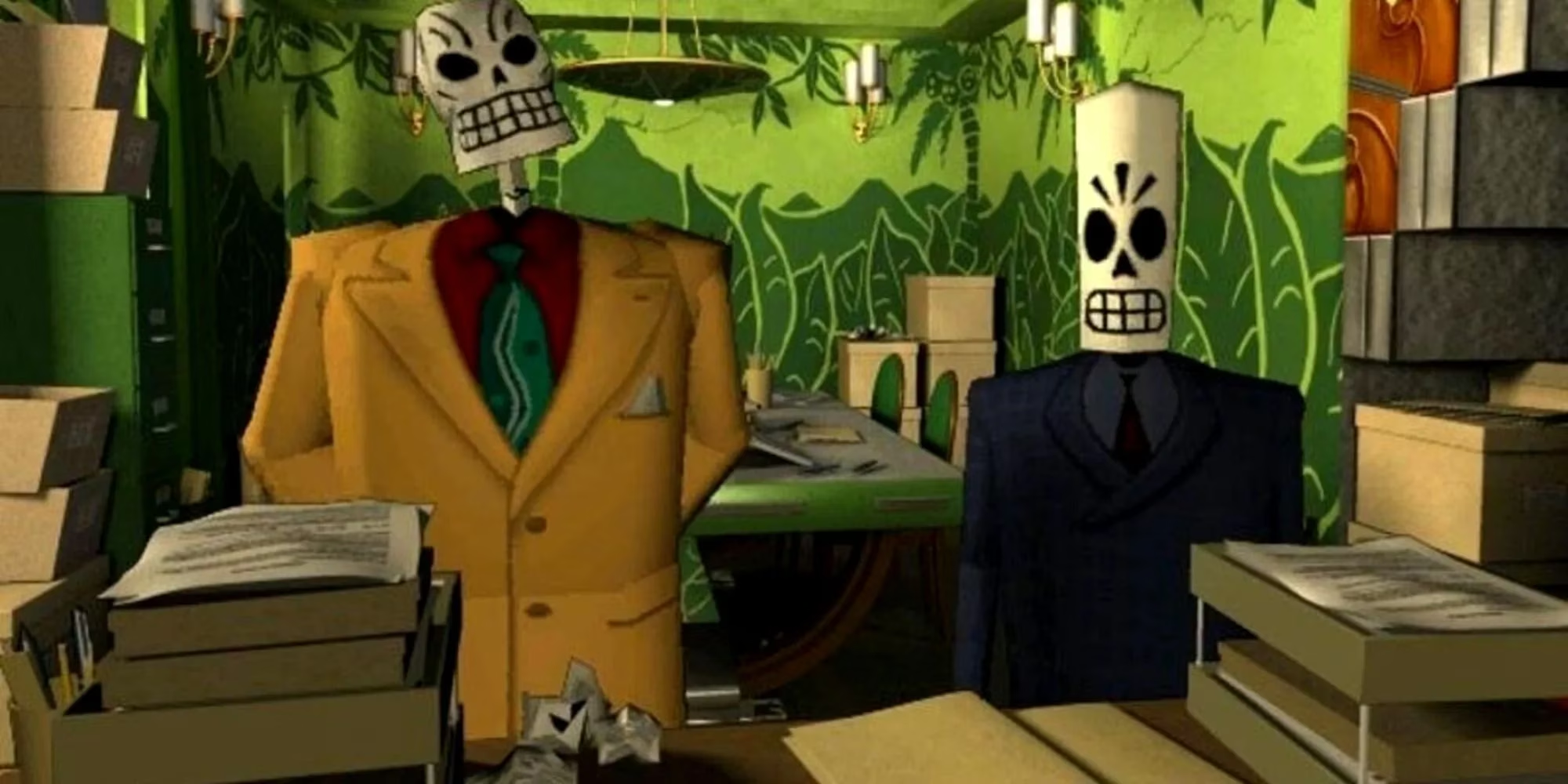
Shadowy, artistic in both visual and sound design, and lacking the traditional fires of Hell, Grim Fandango's underworld is far more nuanced. It draws heavily on 20th-century noir films and Aztec culture. Players control Manny Calavera as he tries to aid a noble individual mistakenly believed to be a sinner on the journey to paradise. As an adventure game, its despair and damnation are subtle; players encounter implied hardships more often than scenes of punishment or horror. These features make Grim Fandango one of the more relaxing versions of Hell ever depicted, a place where bureaucracy and melancholy do more damage than flames.
Gods, Guilt, and the Mind's Underworld
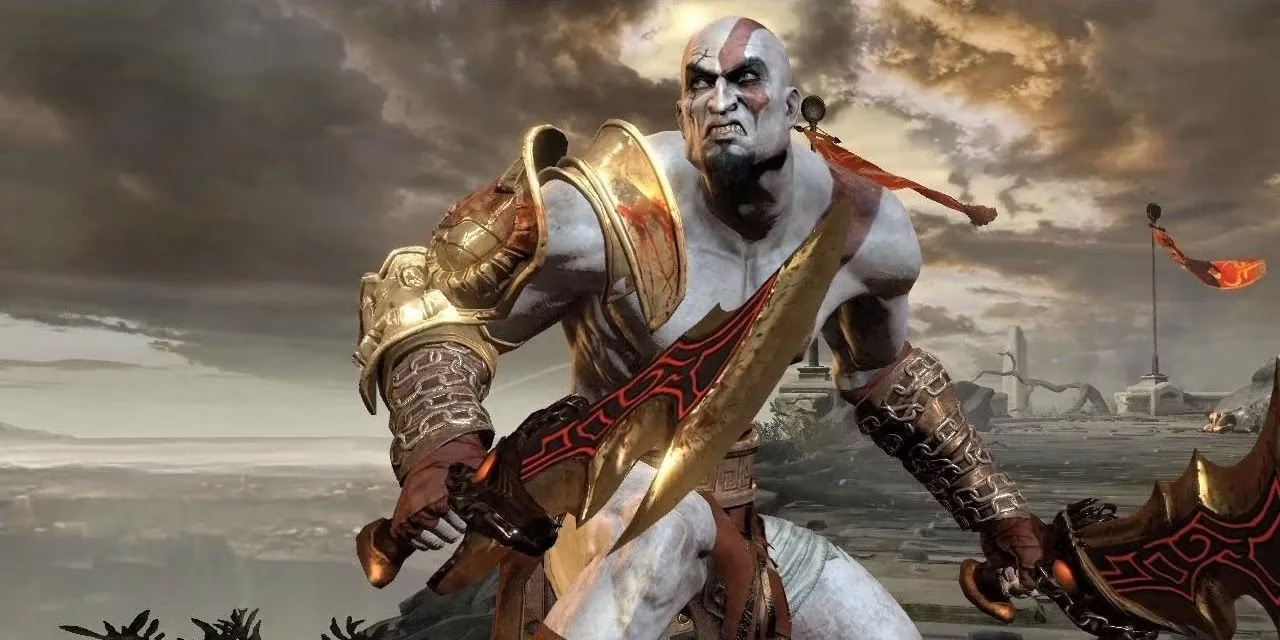
In a campaign of bloodshed against the Greek Pantheon, it was inevitable that God-killing protagonist Kratos would eventually end Hades once and for all. God of War 3 features the impressive showdown between the vengeful Spartan and the King of the Underworld. Although the Underworld is not the only location visited, it is featured prominently as Kratos' vengeance reaches its conclusion. Adopting an eye-catching purple color scheme, the Hell of God of War 3 is a newly skinned revisit to the infamous location, and it turns divine punishment into a stage for personal rage.
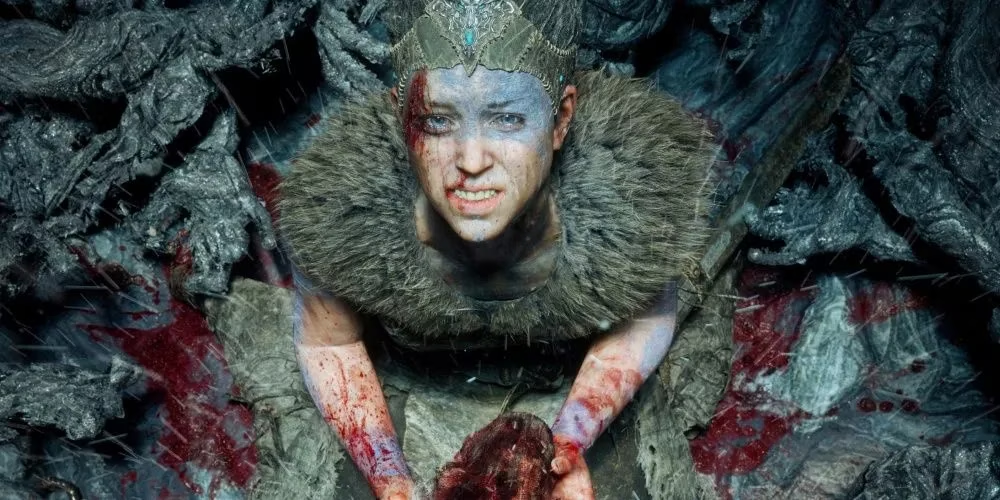
For the titular character of Hellblade: Senua's Sacrifice, Hell is a state of mind more than a physical location. Haunted by the death of her lover and determined to reclaim his soul, Senua undergoes intense physical and mental torment as she attempts to face the god Hela in combat. Senua's psychosis, a groundbreaking depiction of mental health and its historical culture, effectively self-punishes her with guilt in a way a physical realm of fire could not. Hell here is a locked room inside the skull, and it takes arduous effort for Senua to shed that mindset. Accompanied by the player, the journey becomes a rewarding act of discovery.
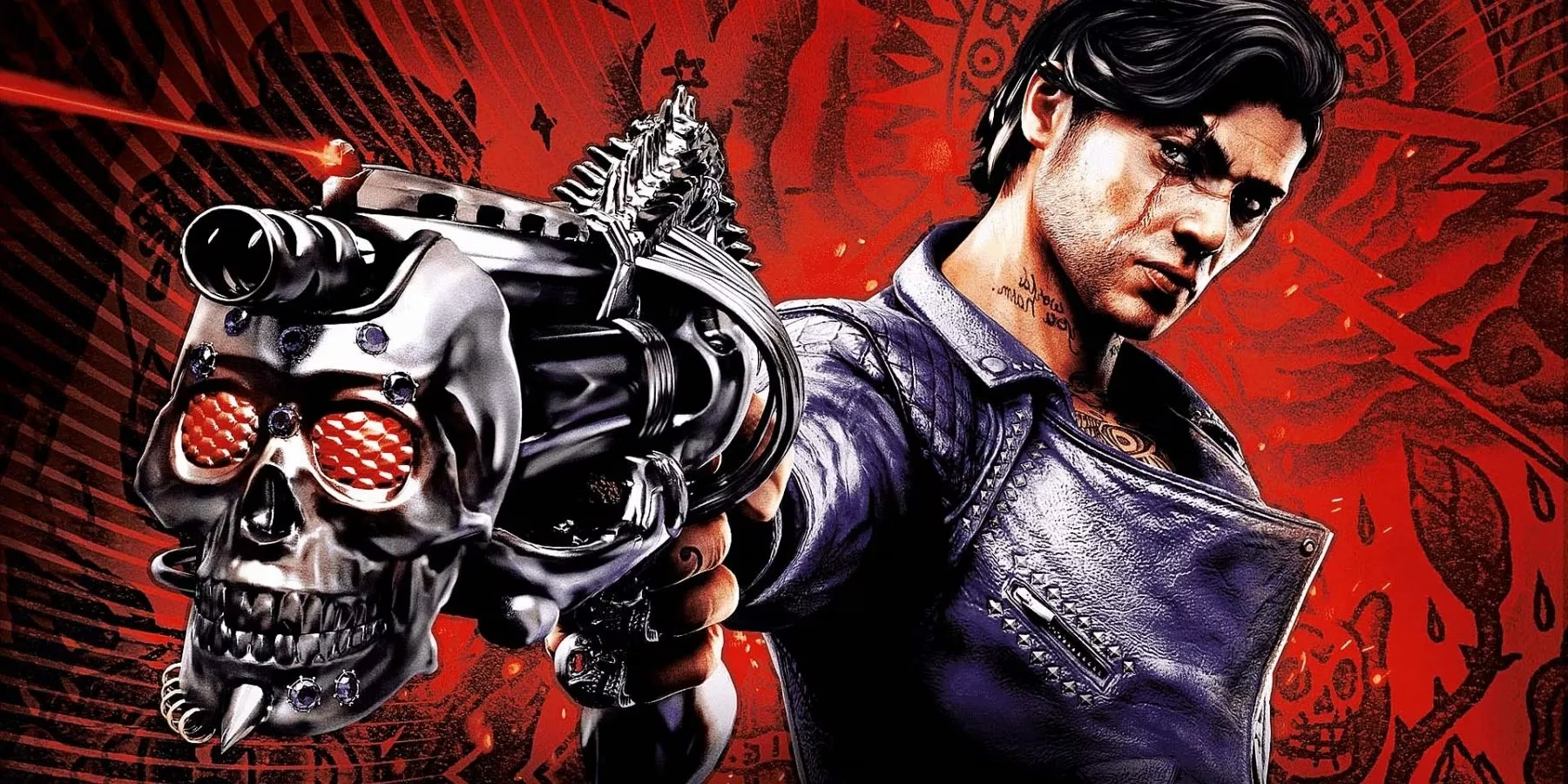
A punk-rock take on the demon-hunting formula, Shadows of the Damned follows Garcia Hotspur as he travels to the Underworld to rescue his girlfriend from the Lord of Demons, Fleming. Mixing shooter elements with role-playing, the game gives players more power than many other hellish adventures do. It also inverts certain character elements, such as the bold inclusion of demons as allies and the final fate of Fleming. As expected from a creator of Resident Evil, Shadows of the Damned is an excellent combination of horror and action.
Sci-Fi, Loot, and the Nine Circles
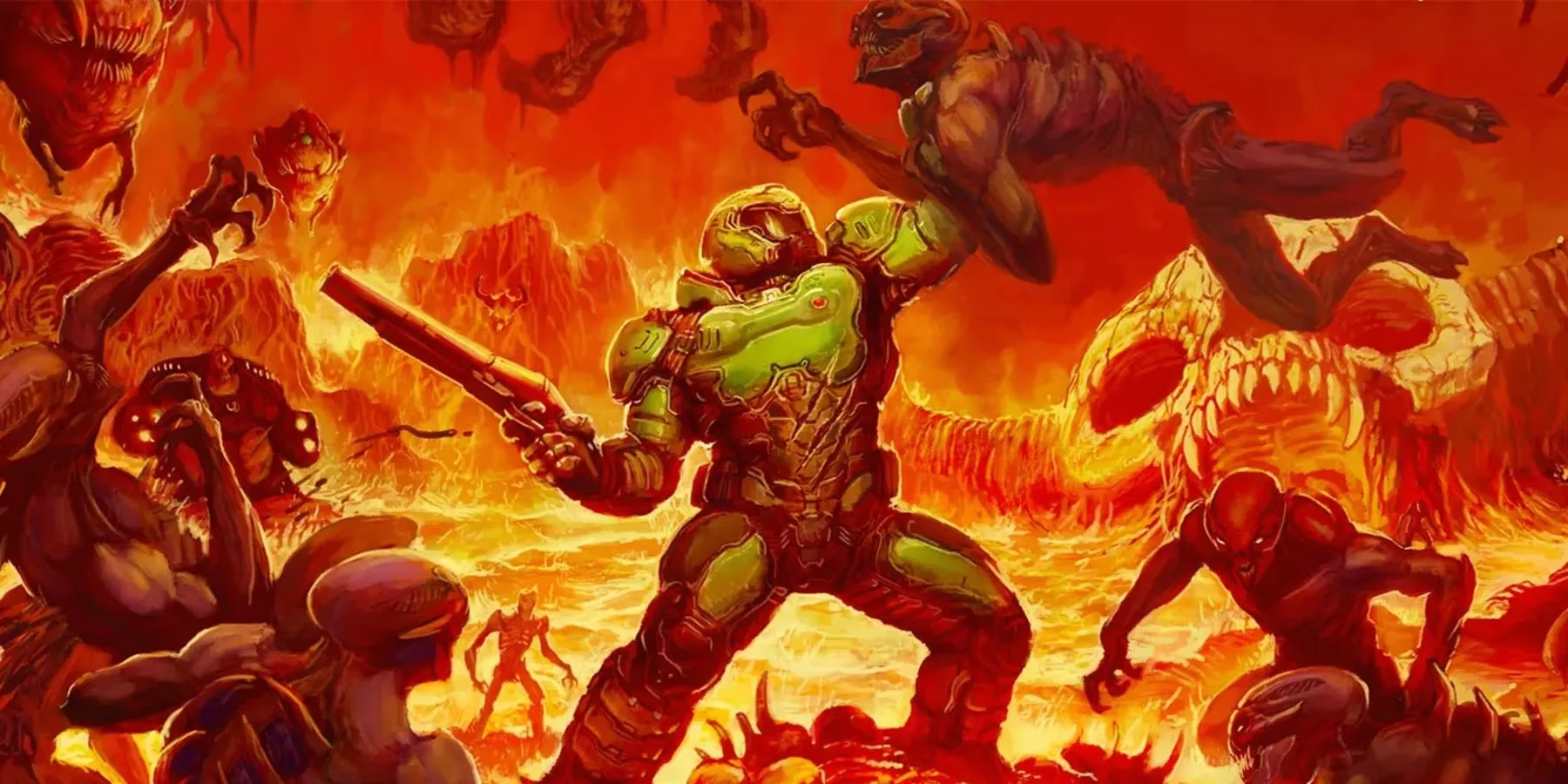
More science fiction than mysticism, the Doom franchise began with the 1993 original and often revolves around an unnamed soldier sent to kill hordes of demons that threaten Earth. The 2016 reboot focuses more on Hell as a location than previous installments, sending Doomguy into the fiery landscape after first bringing his brand of violence to Mars. The reboot pits players against many iconic enemies, including the infamous Cyberdemon, and shows that the forces of Hell will appear no matter where Doomguy is. The underworld becomes a proving ground where violence is both weapon and theology.
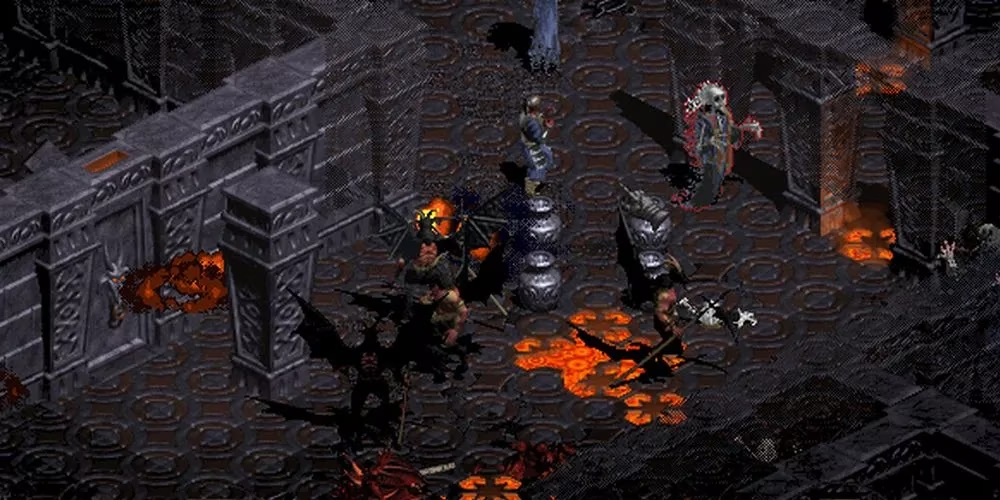
It may only be the final act of the original 1997 Diablo that sends the player character into Hell to defeat the titular Lord of the Underworld, but the rest of the game does not shy away from a gradual descent into that realm. Diablo is responsible for many features common to modern games, such as colored loot tables and popular fantasy themes. Combined with rich lore that places the mortal world between the High Heavens and the Burning Hells, Diablo's Hell becomes one of the most iconic iterations in video game history.
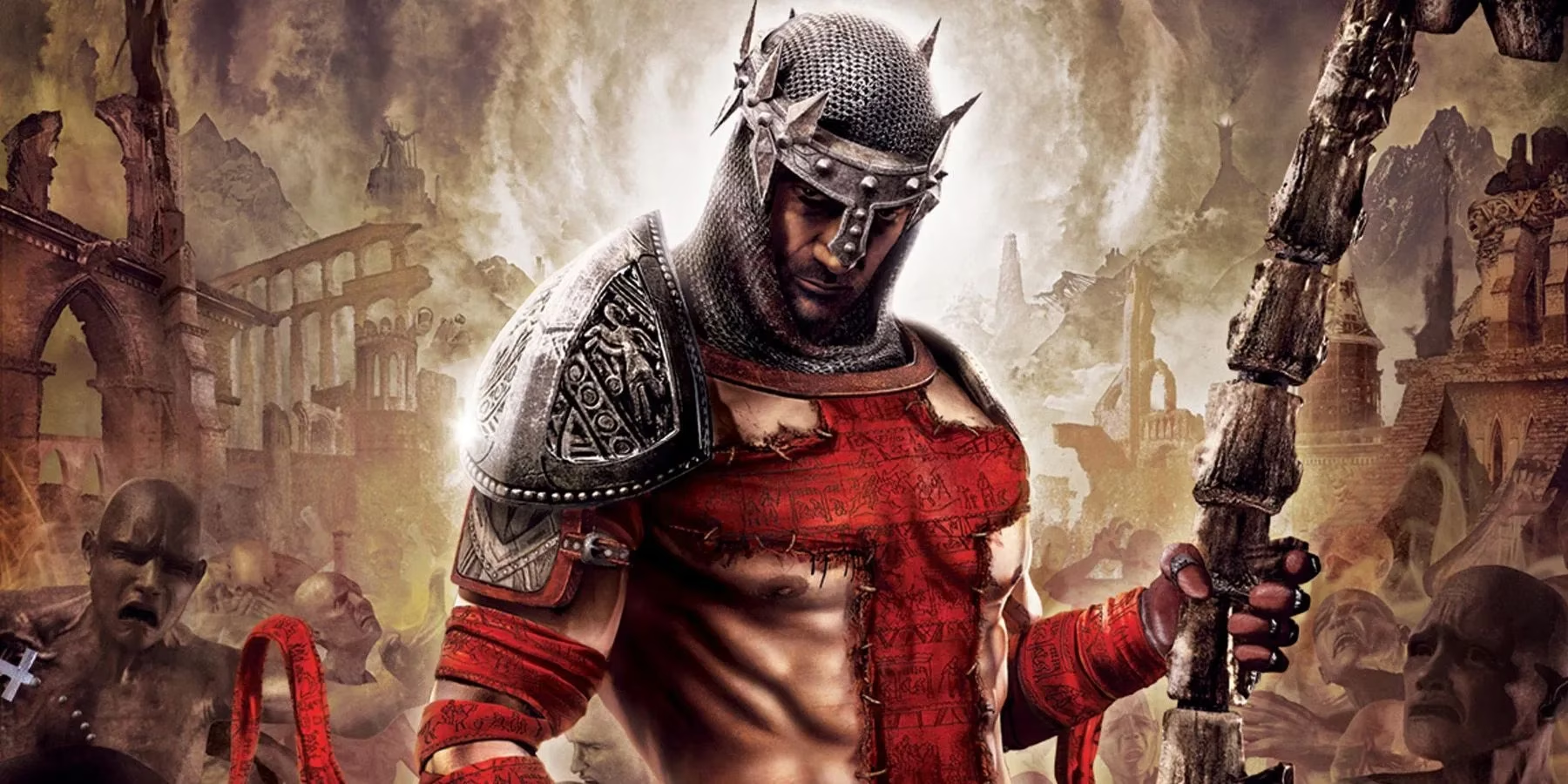
Dante's Inferno may be an inaccurate adaptation of the 14th-century epic, but the game developed by the creators of Dead Space is nevertheless a triumph. Reimagining the poet as a member of the Knights Templar, Dante travels through the nine circles of Hell, hacking and slashing along the way, to find his lost love. The Hell of Dante's Inferno is researched and intricate, with great care given to differentiating each canton and giving distinctive visualizations to the varied circles, from the purple shades of Lust to the arena format of Fraud. It remains one of the best depictions of Hell around, rooted in historical fact and strong design.
| Game | Version of Hell | Signature Idea |
|---|---|---|
| Hell: A Cyberpunk Thriller | Virtual-reality prison | Control disguised as damnation |
| Minecraft | The Nether | Survival pressure without a script |
| Saints Row: Gat Out of Hell | Corporate satire | Comedy inside the inferno |
| Grim Fandango | Noir-Aztec afterlife | Bureaucracy and quiet melancholy |
| God of War 3 | Greek Underworld | Vengeance against the god of the dead |
| Hellblade: Senua's Sacrifice | Psychological torment | Mental health as landscape |
| Shadows of the Damned | Punk-rock underworld | Demons as allies and jokes |
| Doom (2016) | Sci-fi Hell | Relentless combat as theology |
| Diablo | Burning Hells | Loot and lore as descent |
| Dante's Inferno | Nine Circles | Structured, visualized sin |
By 2026, these games remain useful because they refuse to agree on what Hell is. One version is a virtual prison, another is a survival trap, and another is a room inside a grieving mind. The best examples treat the underworld as a design problem: how to make fear legible, navigable, and sometimes funny. Fire is optional. A filing cabinet, a trapdoor, or a locked room can be just as damning. 🔥🎮🧠
This assessment draws from Polygon, whose long-form reporting on game worlds and cultural themes helps frame why hellish settings remain so adaptable across genres. In the context of games like Doom, Hellblade, Diablo, and Grim Fandango, that perspective underscores how developers use the idea of Hell not just as scenery, but as a flexible narrative device for violence, satire, grief, and moral symbolism.
Comms Channel