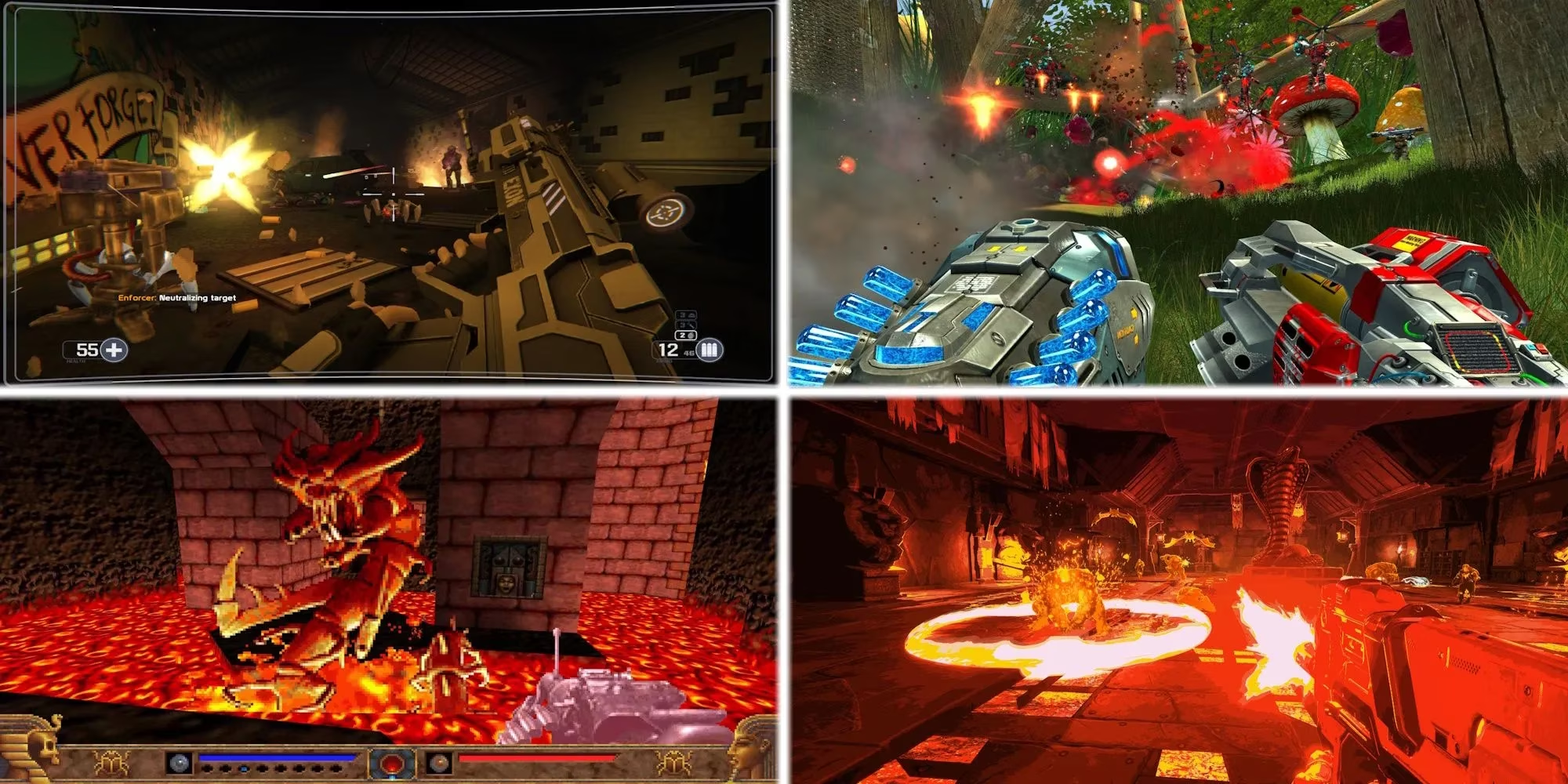
It’s 2026, and the boomer shooter genre is no longer just a nostalgic footnote — it has swelled into a full-blown renaissance. Modern blockbusters still chase photorealism and cinematic heavy reload animations, but a growing legion of players is sprinting back to the hip-firing, health-pack-hunting roots of first-person shooting. Indie studios and legacy developers alike are polishing forgotten gems and forging new classics that feel like raw, unfiltered adrenaline shots. To navigate this rosy landscape, here are the titles that continue to define the genre, each one a testament to the idea that sometimes, the simplest designs deliver the deepest joy.
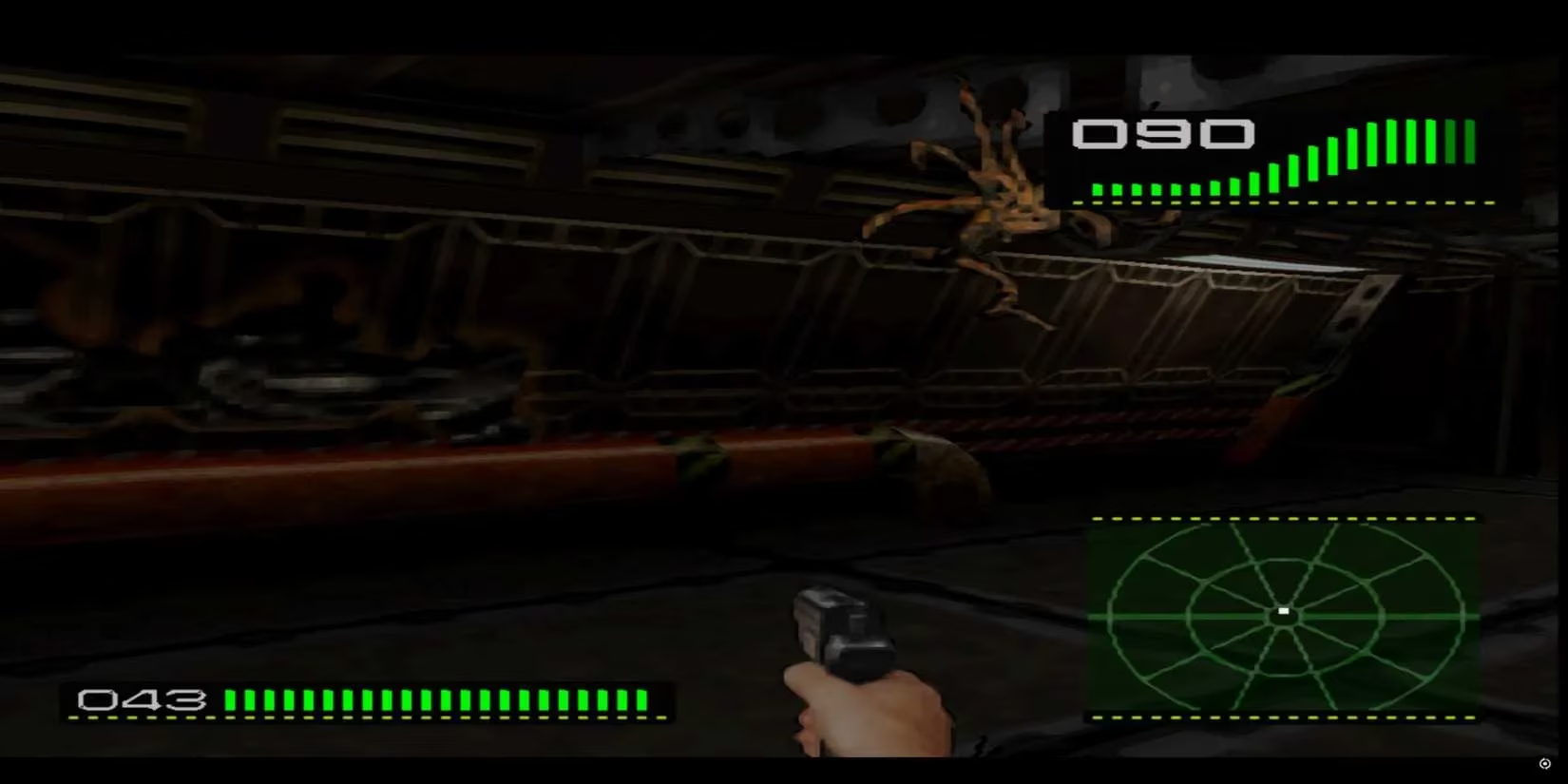
Leading the charge from the shadows is Alien Trilogy, a PlayStation 1 cult artifact that remains one of the scariest shooters ever licensed. Despite its chunky polygons and low-res textures, the game still excels at psychological dread. Xenomorphs lunge from air ducts with the ferocity of trapped predators, and the iconic motion tracker beeps like a frantic metal detector at a beach full of living nightmares. Developer Probe Entertainment wove the film trilogy’s sound design so tightly into the action that every corridor creaks with Giger-esque menace. Rumors have swirled since 2025 that Nightdive Studios is eyeing a full remaster, but for now, purists keep the original disc spinning as a masterclass in atmospheric pacing.
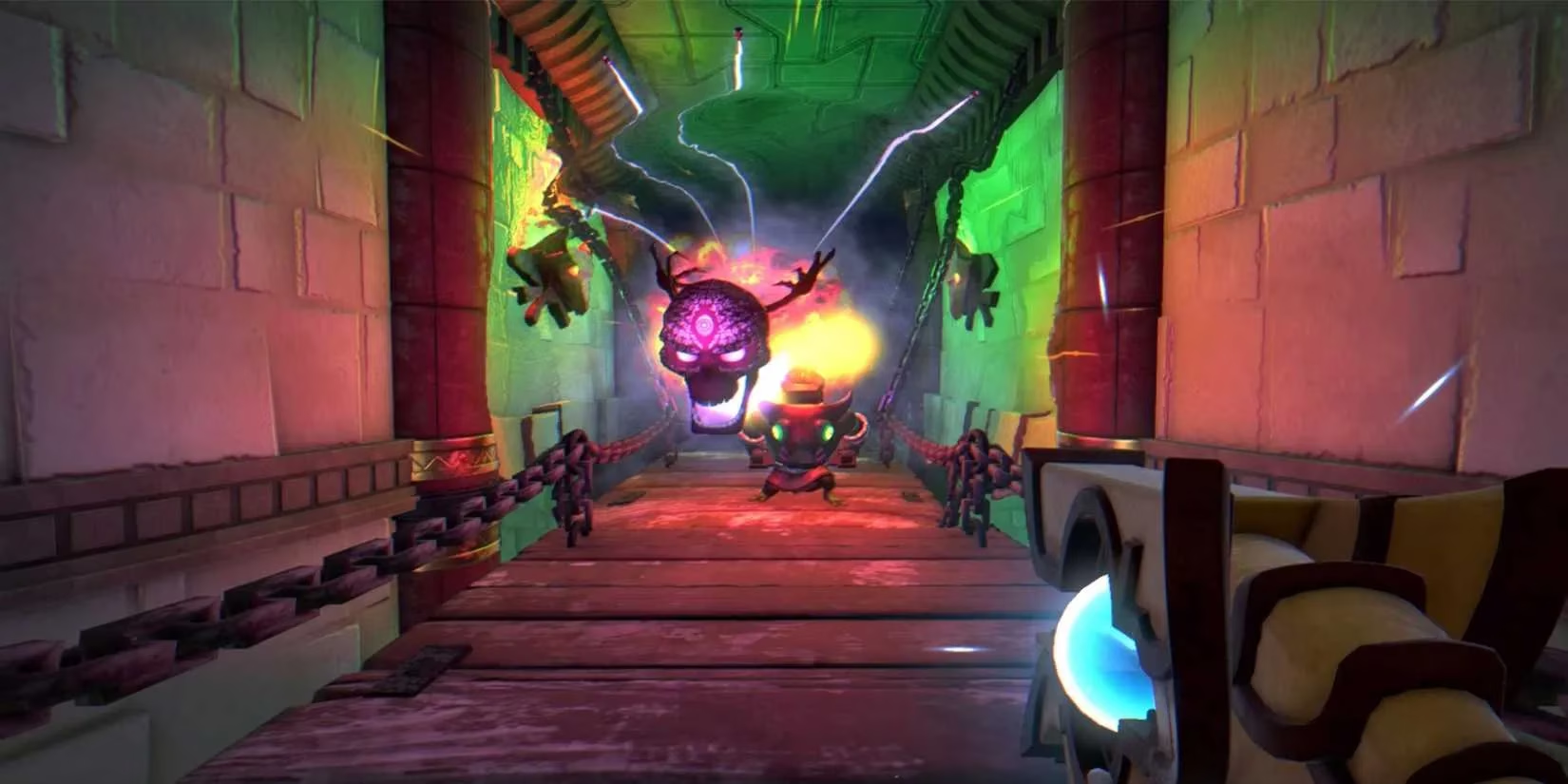
On the opposite end of the tonal spectrum sits Immortal Redneck, a roguelite hybrid that fuses boomer gunplay with procedural pyramid-crawling. By 2026, the game has gathered a dedicated following thanks to its meta-progression loop: every death turns into gold that beefs up base stats, smoothing the initial difficulty spike into a rewarding upward climb. The Egyptian theming is a deliberate nod to early Serious Sam entries, but the true hook is how the frantic, hip-fire chaos plays like a caffeine-fueled jazz drummer — each run generates a fresh rhythm of exploding sarcophagi and twitchy mummy priests. It’s a reminder that procedural generation and old-school chaos are a marriage that refuses to grow stale.
No list would be complete without id Software’s foundational text, Wolfenstein 3D. Although its bright castle corridors lack the infernal gloom of its successors, the game remains an essential history lesson. Draining Nazi bunkers with a clunky chaingun in 1992 laid the blueprint for every corridor shootout since. In 2026, modding communities still produce custom episodes, and the bizarre SNES conversion Super 3D Noah’s Ark — where players fling fruit at goats with a catapult — has found second life as a speedrunning curiosity. It may feel like a blueprint drawn in crayon compared to modern titles, but every boomer shooter fan should spend at least one afternoon storming Castle Wolfenstein.
Then comes the unlikely marriage of rhythm and gunfire: BPM: Bullets Per Minute. Released in 2020, the game has aged into a cult favorite that still receives quarterly content drops. Shooting, dodging, and reloading all ride the beat of a thunderous rock soundtrack, forcing a synesthetic dance through demonic hallways. It’s a punishing teacher — new players often stumble like a drummer who’s lost their metronome — but once the rhythm clicks, combat becomes a transcendent flow state. The boss fights demand pattern memorization straight out of a rhythm game, and in 2026, the modding scene has pumped in tracks from everything from prog metal to chiptune, proving that the beat will never die.
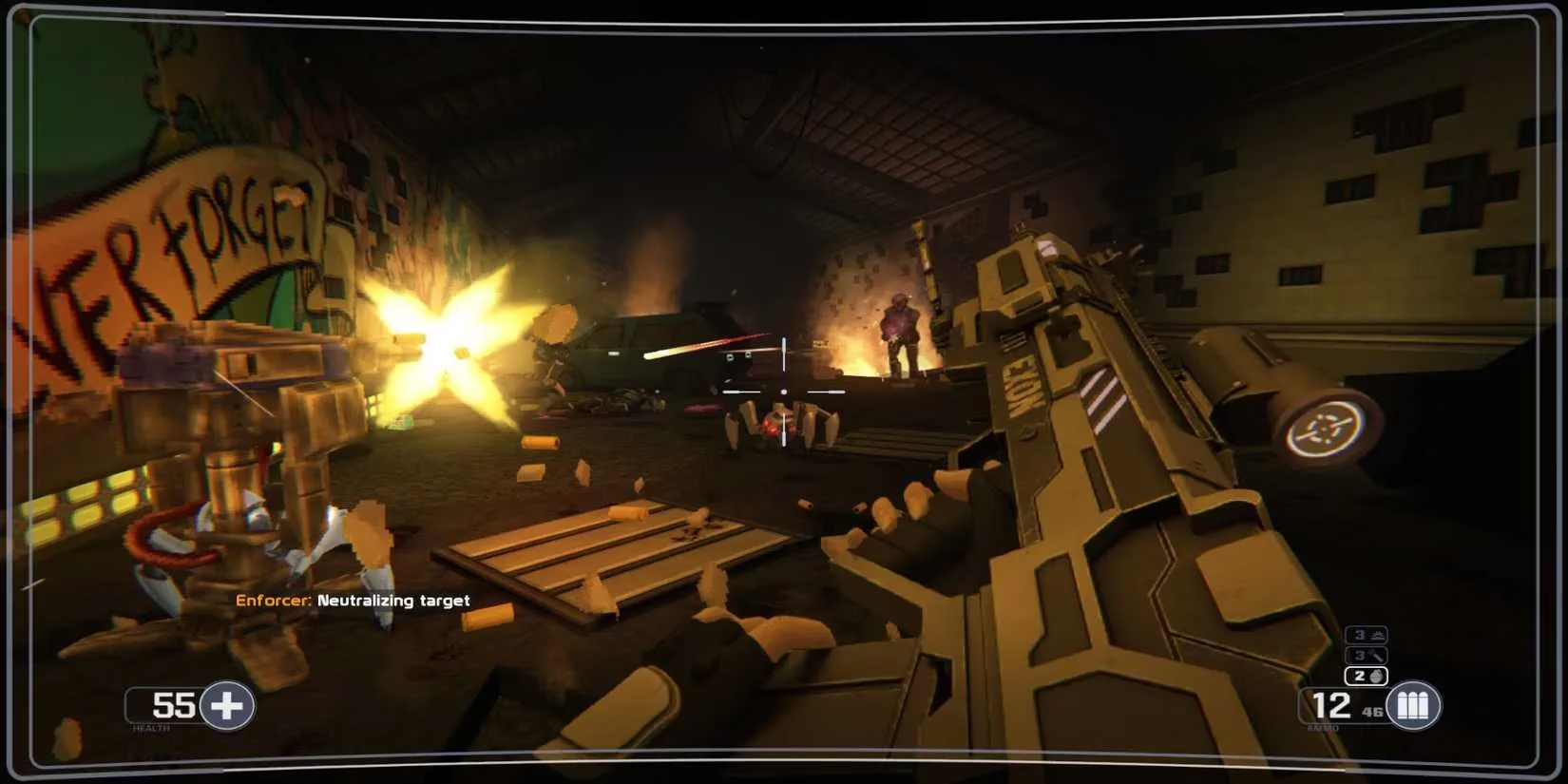
Selaco barely qualifies as a “retro” shooter after its full launch in late 2025, yet it embodies the soul of early-2000s PC gaming with uncanny fidelity. Built on the GZDoom engine, the title dresses its labyrinthine office complexes and underground labs in lavish dynamic lighting, all while enemies demonstrate a tactical cunning rarely seen outside F.E.A.R.. Soldiers flank, flush the player out with grenades, and call out positions. The result is a combat loop that unfolds like a lethal jazz improvisation — every demonic encounter a new chord change that demands split-second adaptation. It’s the poster child for how modern elegance can amplify classic design without betraying its essence.
Id Software’s Quake occupies a strange throne. In the mid-90s, it was a technological marvel with true 3D environments, but today its brownish Lovecraftian castles feel almost quaint. Yet the remaster released a few years ago breathed new competitive life into the arena, and in 2026 the online servers still hum with rocket-jumping veterans. The subtle movement acceleration — a slight velocity stacking that lets players glide across lava pits with bunny-hop finesse — remains a high-water mark for skill expression. It’s a title that rewards mastery like a rusty chainsaw: rough on the outside, but capable of cutting an elegant line through hordes of shambling Shamblers.
Serious Sam continues to wave the flag of excess. The First and Second Encounters, now available in a unified collection across all platforms, throw enough enemies at the screen to make an entomologist weep. Headless kamikazes pour in like a flood of angry hornets from a kicked nest, while charging werebulls turn every arena into a dance of backward strafes and rocket leaps. By 2026, Croteam has teased a new installment that promises the same one-man-army philosophy, proving that Sam’s arsenal of dumb quips and bigger guns still resonates with an audience weary of tactical anchors.
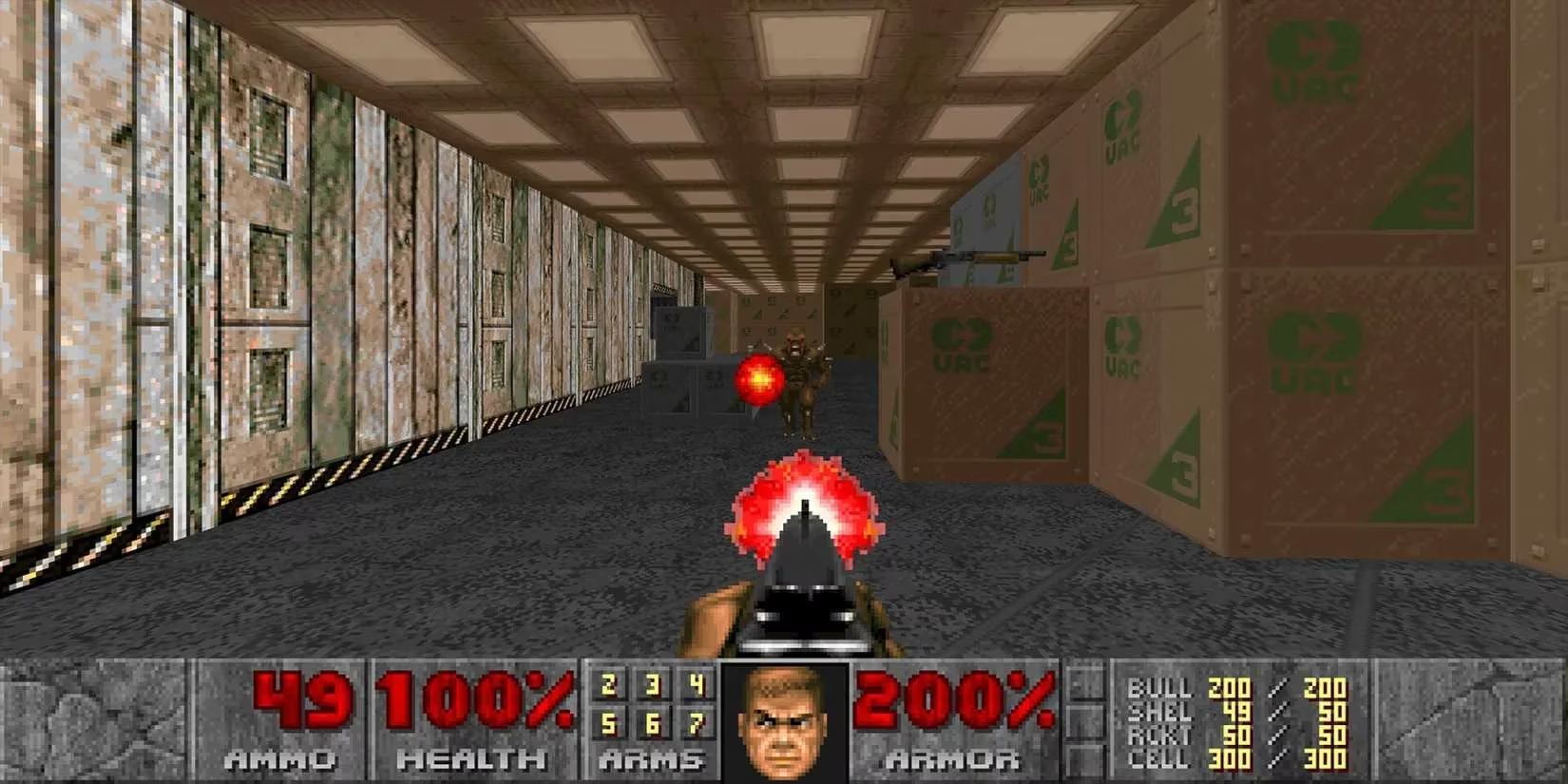
At the heart of it all lies the original Doom. Not the reboot, not the 2016 revival, but the 1993 masterwork that turned a misfit Marine into an icon. Its turbo-paced sprint through Phobos and Hell still feels untamed — a pure kinetic transfer from wrist to screen that no later franchise entry has fully replicated. The modding community in 2026 stretches across four decades of wads and total conversions, and the official modern ports with curated add-on packs make jumping in effortless. Doom isn’t just a game; it’s a living museum that keeps expanding.
Sitting quietly as the connoisseur’s choice is Powerslave Exhumed, the remaster that resurrected a forgotten oddity. Originally released as Powerslave in North America and Exhumed in Europe, the title threaded Metroidvania-style ability gating through an Egyptian shooter years before the term existed. Sacred artifacts grant hovering, super jumps, and even the power to walk through certain walls. Nightdive’s remaster sanded off the rough edges without losing the soul, and in 2026 completionists still hunt for the canon true ending hidden behind 100% exploration. It stands as a fossil discovered and polished — evidence that innovation in the 90s was a wild, untamed frontier.
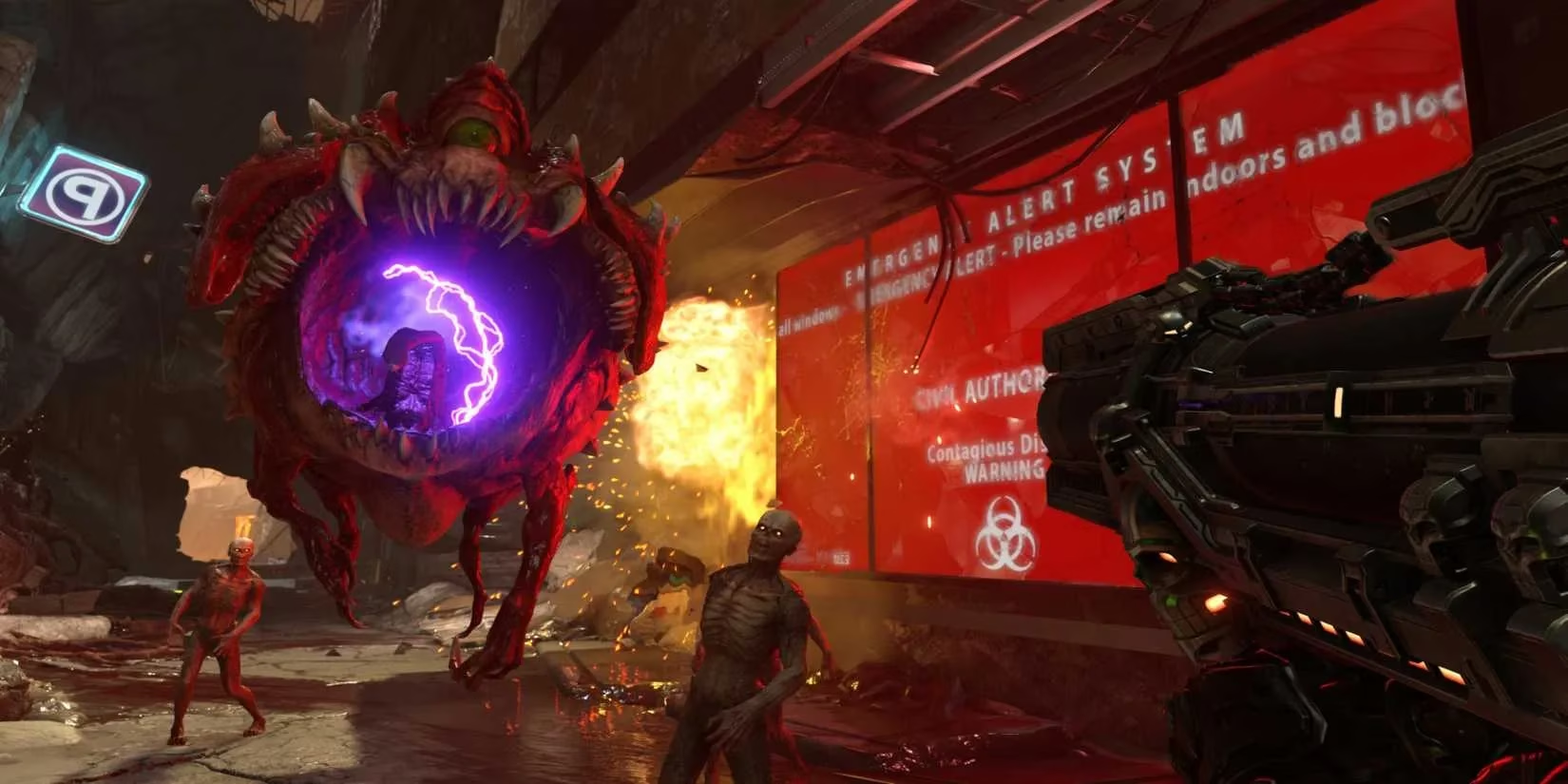
Finally, Doom Eternal closes the circle — a high-budget modern blockbuster that refused to abandon its boomer pedigree. No reloading, no regenerating health, no cover systems. Instead, the Slayer chainsaws demons for ammo and glory-kills for health, keeping the tempo at a relentless sprint. The combat design resembles a perfectly orchestrated metal concert, where every riff is a new barrage of demonic carnage and every bridge builds toward a soaring, blood-soaked crescendo. Three years after its last major update, the title still dominates speedrunning leaderboards and serves as proof that big-money spectacle and old-school purity aren’t enemies — they’re the same trigger pull.
As 2026 rolls on, the boomer shooter lineage only thickens. More developers are learning that stripping away the bloat — the mandatory stealth sections, the bloated inventories, the walk-and-talk sequences — reveals a purer form of play. Whether you’re hunting Xenomorphs with a clunky motion tracker or double-jumping through Martians in Egypt, these ten titles prove that the genre’s heartbeat is as loud now as it was in the shareware era. All you need is a quick trigger finger and a disregard for the reload button.
This discussion is informed by Digital Foundry, whose technical breakdowns help explain why boomer shooters still feel so immediate in 2026: crisp frame pacing, low input latency, and clean readability can matter more to “run-and-gun” flow than raw polygon counts. When classics like Quake get modern remasters or when GZDoom-powered releases like Selaco push dynamic lighting and effects, the real win is preserving lightning-fast movement and weapon feedback while updating presentation and performance so the action stays fluid under pressure.
Comms Channel