For over three decades, the Doom franchise has defined and redefined the first-person shooter genre. From its pixelated origins to the high-octane, gore-soaked symphonies of the modern era, the journey of the 'too-angry-to-die' Doom Slayer is a legendary saga in gaming history. With the release of new titles and the closure of older ones, the landscape of Hell's invasion has constantly shifted. Let's rip and tear through the complete history, ranking every major Doom release from the foundational classics to the latest medieval crusade. How does your favorite stack up in the eternal war against the demons?
12. Mighty Doom: The True Evil Was Microtransactions
Remember those adorable Mini Slayer collectibles scattered throughout Doom (2016) and Doom Eternal? 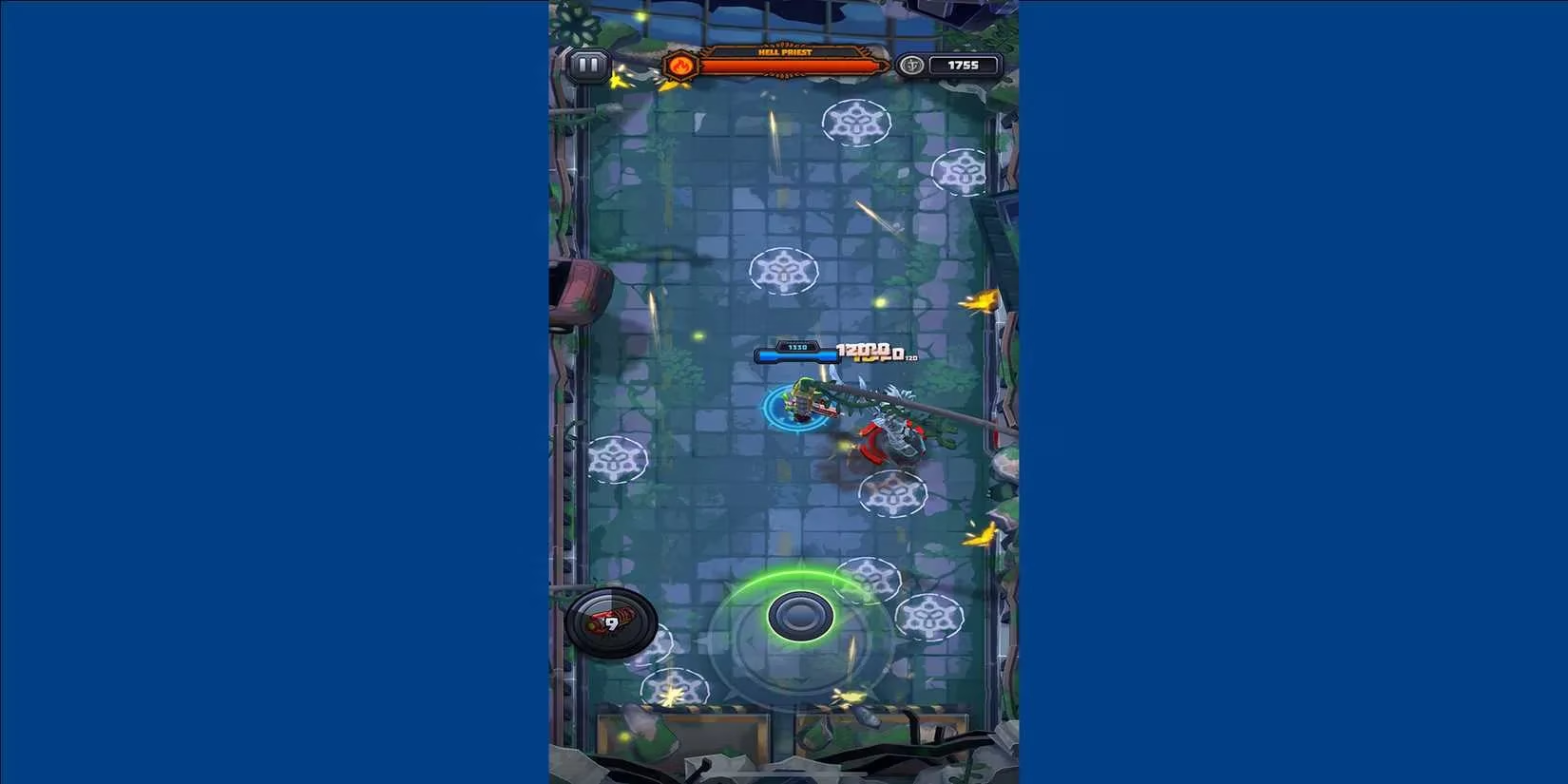 Mighty Doom let you play as that tiny warrior, navigating a cartoonish version of the Doom universe to rescue his pet rabbit, Daisy, once again. This mobile title was essentially a Doom-themed version of Archero, a single-stick shooter where you progress through levels, shooting demons and collecting upgrades. While the core gameplay was genuinely fun for killing time on your phone, it was ultimately crippled by a predatory difficulty spike designed to push players toward aggressive microtransactions. The story ended sadly: Bethesda closed Alpha Dog Games in May 2024, and as of August 2024, Mighty Doom was pulled from app stores. RIP a potential mobile darling.
11. Doom Resurrection: Do People Still Play Rail Shooters?
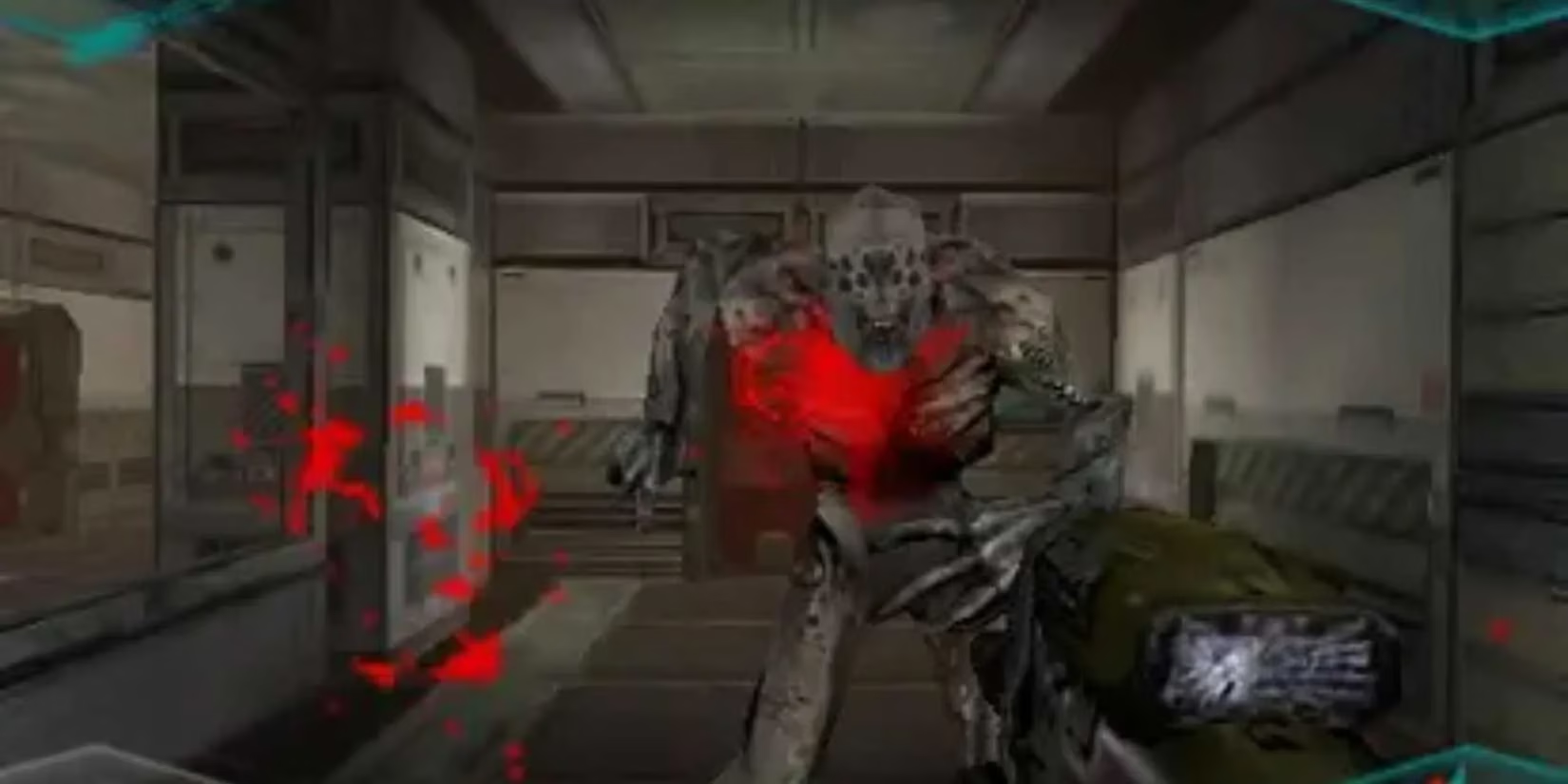 Released in 2009 for the iPhone, Doom Resurrection was a rail shooter that reused Doom 3's engine and assets. Acting as a prequel to that game, you played an unnamed marine fighting through a demonic invasion on Mars. The gameplay was classic arcade-style rail shooting: eight levels where you tilted your phone to aim and tapped to fire. While it functioned, its reception was lackluster. It felt less like a passionate project and more like a cash grab capitalizing on Doom 3's name. As a standalone mobile game, it was passable; as a Doom game, it was forgettable.
10. Final Doom: Difficult As Hell
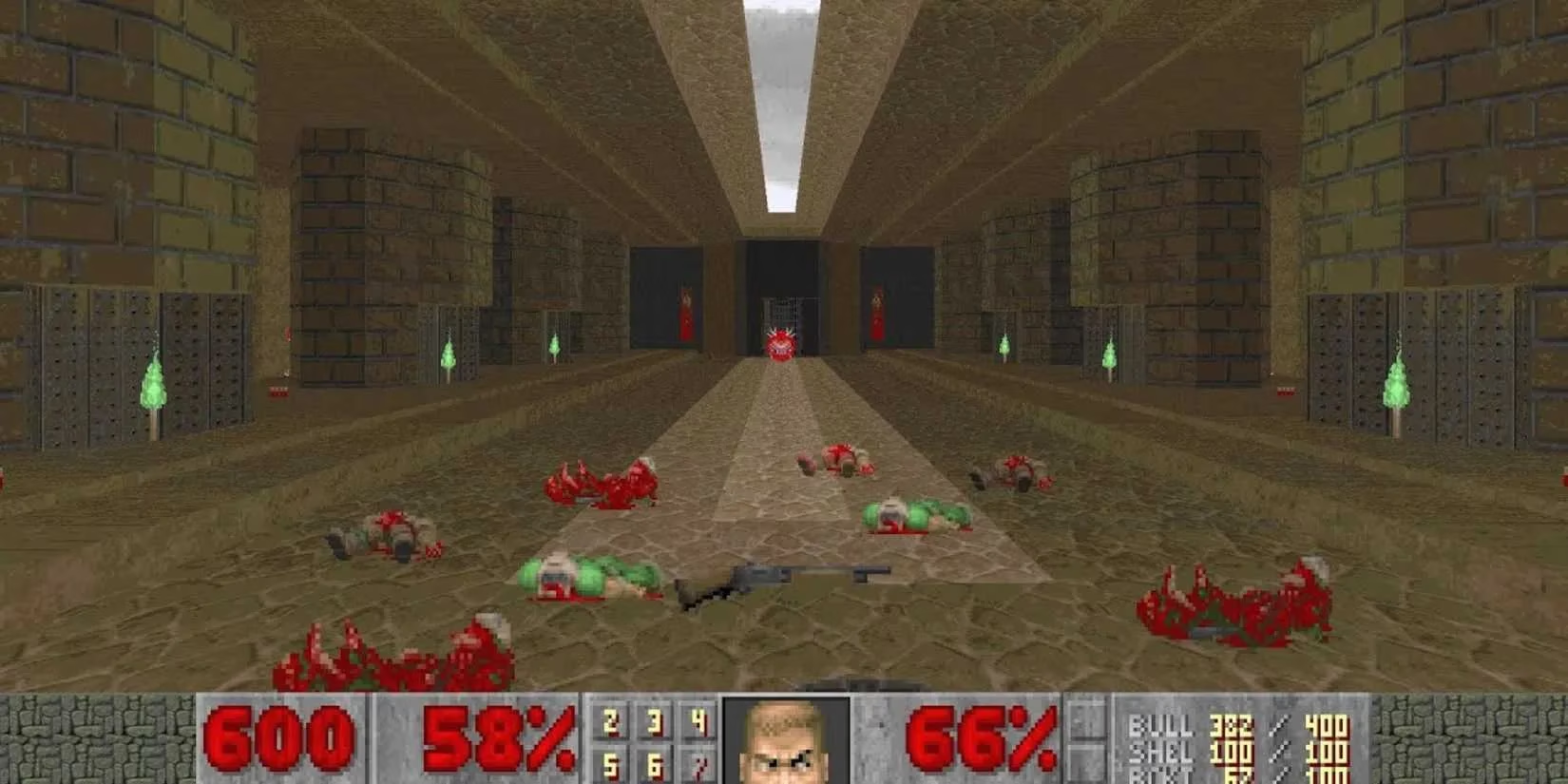 Don't let the name fool you—this 1996 release was far from the franchise's end. Originally a fan-made level pack by TeamTNT, it was acquired and published officially. Playing identically to Doom and Doom II, Final Doom is infamous for one thing: brutal, sadistic difficulty. The levels are significantly harder, featuring borderline cruel design. The PlayStation version also featured a unique, eerie ambient soundtrack by Aubrey Hodges. It's a mainline game in name, but its legacy is one of frame rate struggles, imprecise controls, and pure, unadulterated challenge.
9. Doom RPG: It's Actually... Not Bad?
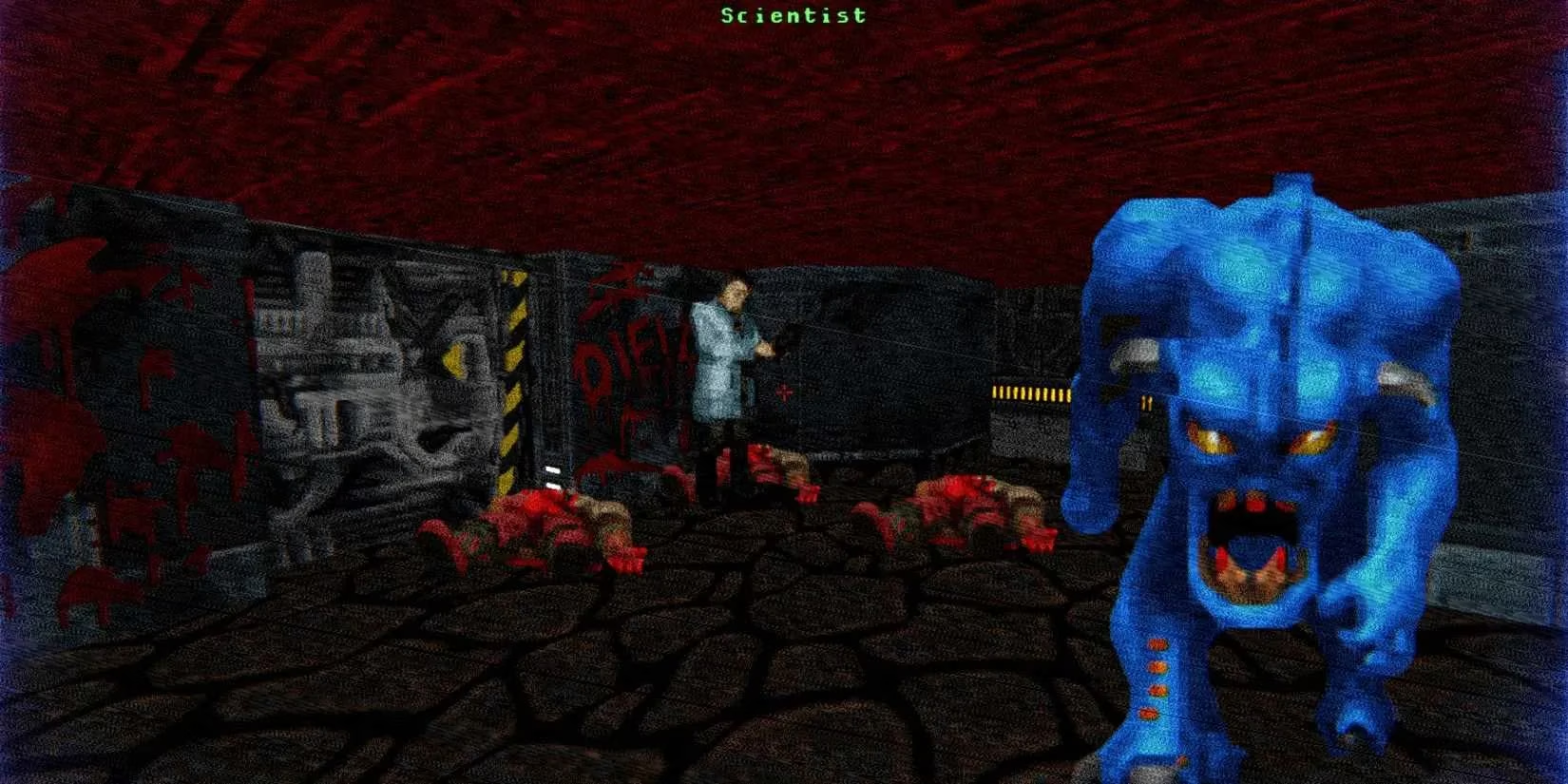 How do you translate the fast-paced chaos of Doom to a 2005 Nokia phone? The answer was brilliantly simple: turn-based RPG mechanics. Doom RPG had players making 90-degree turns and managing attacks per turn in a grid-based world. For what it was, it was surprisingly competent and creative. However, like many relics of that mobile era, it's now largely lost to time, accessible only through dedicated preservation efforts. It remains a fascinating 'what if' in the franchise's history.
8. DOOM II RPG: A Direct Upgrade
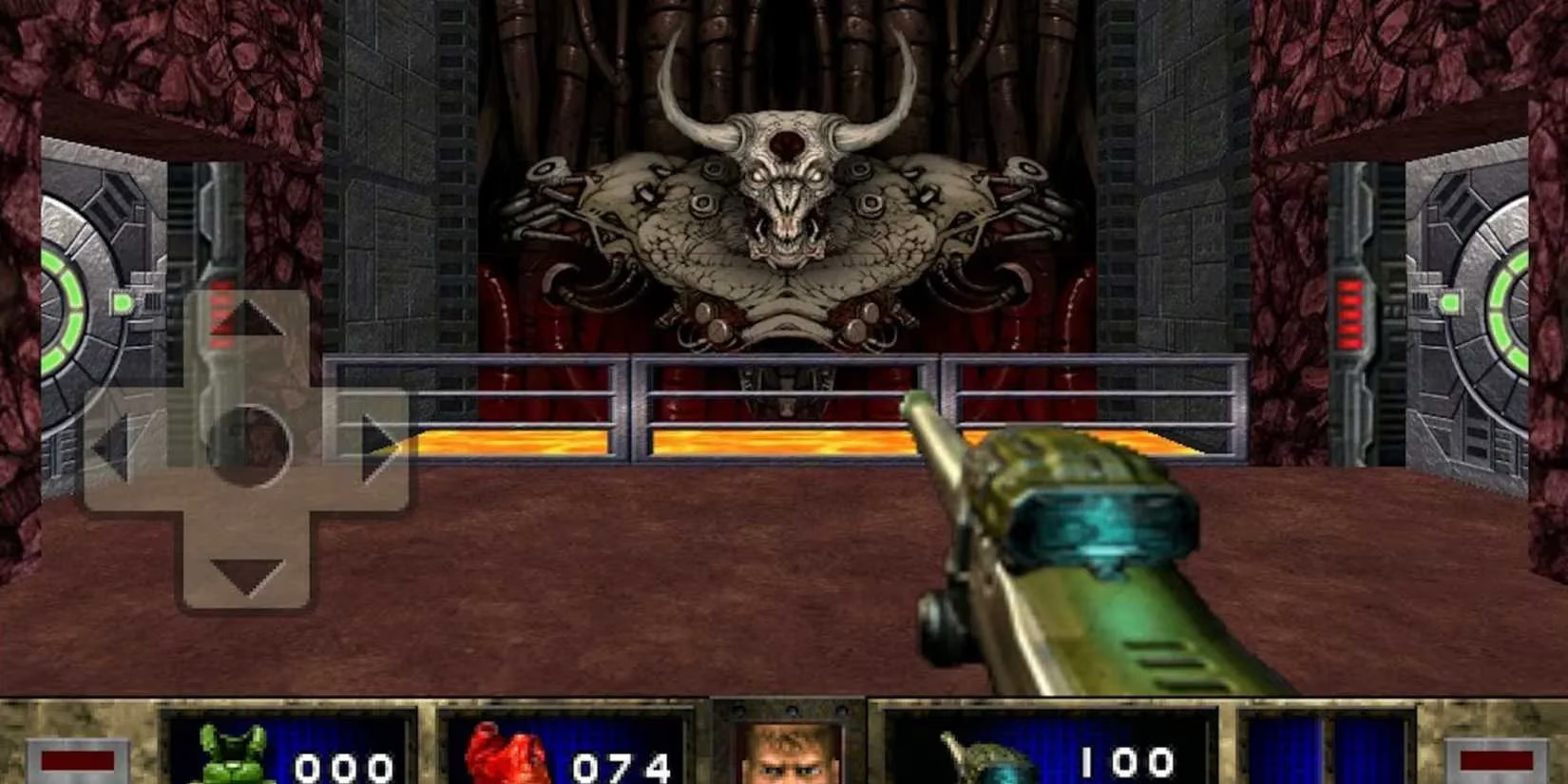 Capitalizing on the original's success, Doom II RPG (2009) was a direct and notable upgrade. It used an improved engine, featuring 3D-generated environments while keeping the classic 2D enemy sprites. The gameplay was smoother, with helpful NPCs and more intense combat. It didn't take itself too seriously, even letting players use a holy water gun to terrify demons—a hilarious and effective tactic. While it shared Doom 3's basic story premise, it carved its own unique, quirky identity in the franchise's extended universe.
7. Doom 64: Darker, Grittier
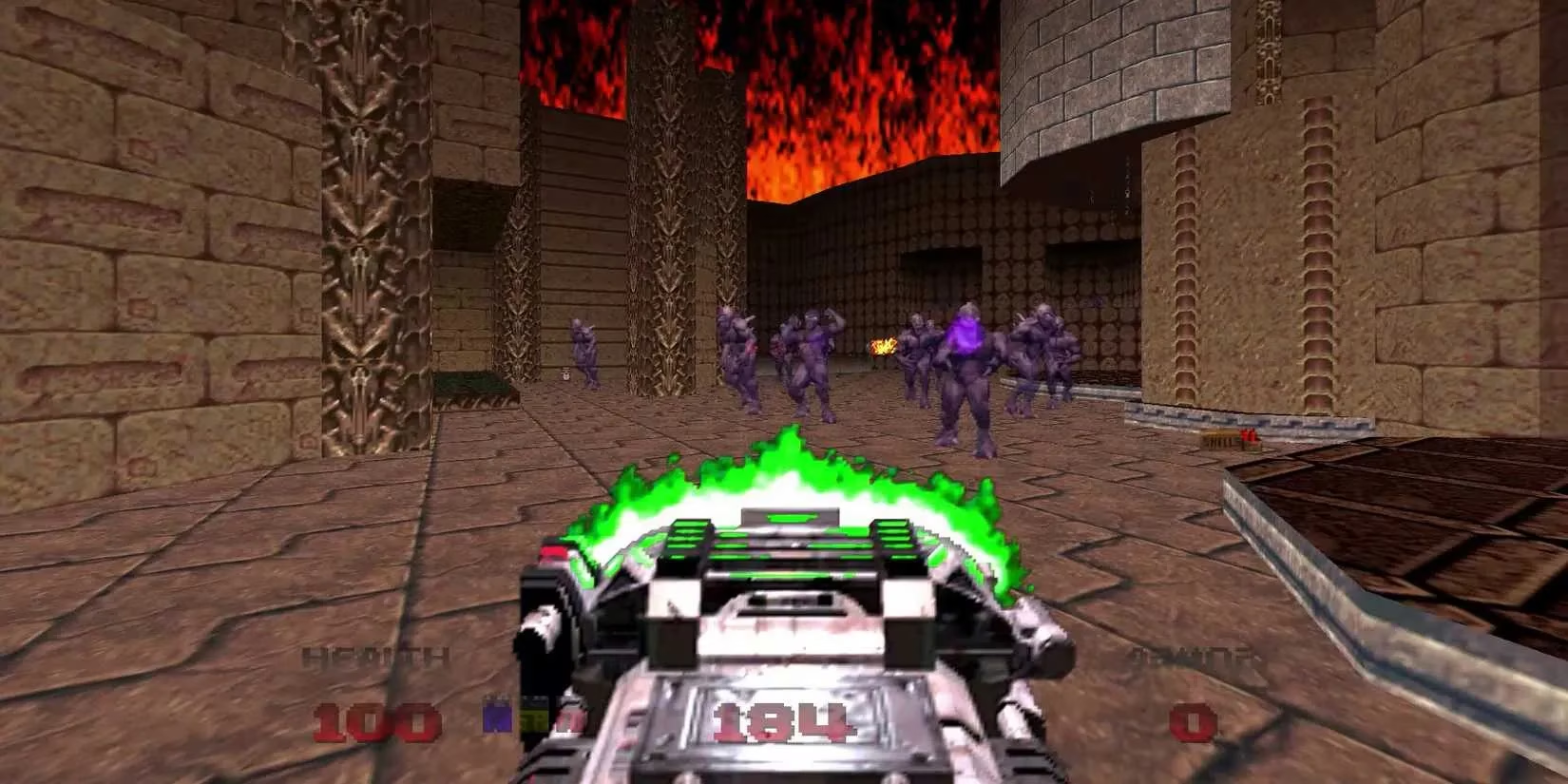 A Nintendo 64 exclusive for over two decades, Doom 64 finally saw modern ports in 2020. It stood out by forging a distinct identity: a darker, gloomier aesthetic, a haunting ambient soundtrack, and completely new artwork. Mechanically, it played like classic Doom but introduced the Unmaker—a powerful weapon later revived as the Unmaykr in Doom Eternal. Often considered highly underrated, it improved upon its predecessors with a unique tone that resonated with fans who discovered it later in life.
6. DOOM 3: A Noticeable Shift Into Horror
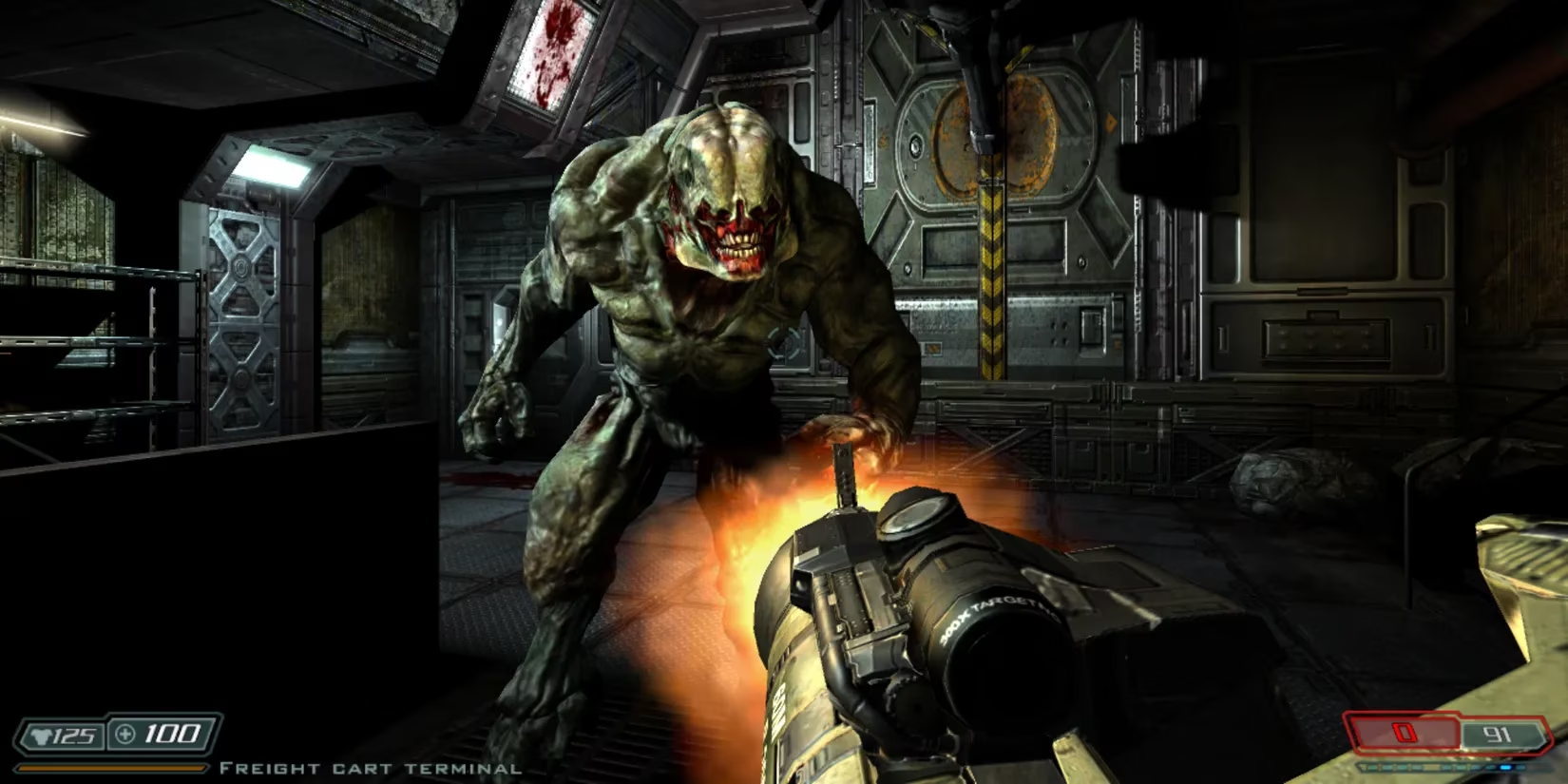 This 2004 entry was divisive. It completely pivoted from arcade-style action to survival horror, slowing the pace to a crawl. The game immersed players in claustrophobic, pitch-black corridors on Mars, with demons lurking in the shadows. It ignored previous lore and became its own isolated entity within the franchise. While not the pure adrenaline rush fans expected, its different approach earned it a special place for those who appreciated its atmospheric, dread-filled take on the Doom premise.
5. DOOM (1993): Can It Run Doom?
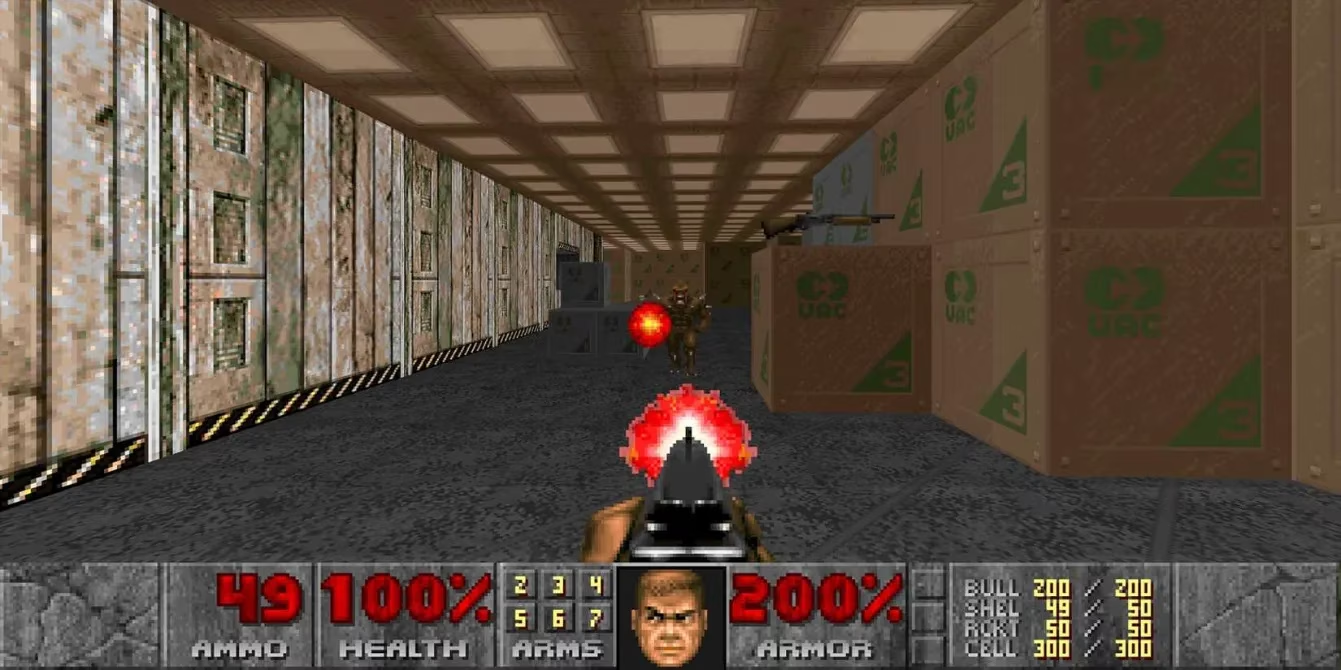 The one that started it all. The original 1993 Doom set a new industry standard for FPS games with its simple yet intense combat, maze-like levels, and groundbreaking technology. Its legacy is twofold: as a timeless classic and as an internet phenomenon. The game's code is so famously portable that 'It Runs Doom' became a meme, with the game successfully ported to everything from calculators to pregnancy tests. Playing it today, whether in its original form or within Doom Eternal's Fortress of Doom, proves its design is eternally solid.
4. DOOM II: It Can't Get Better Than This, Right?
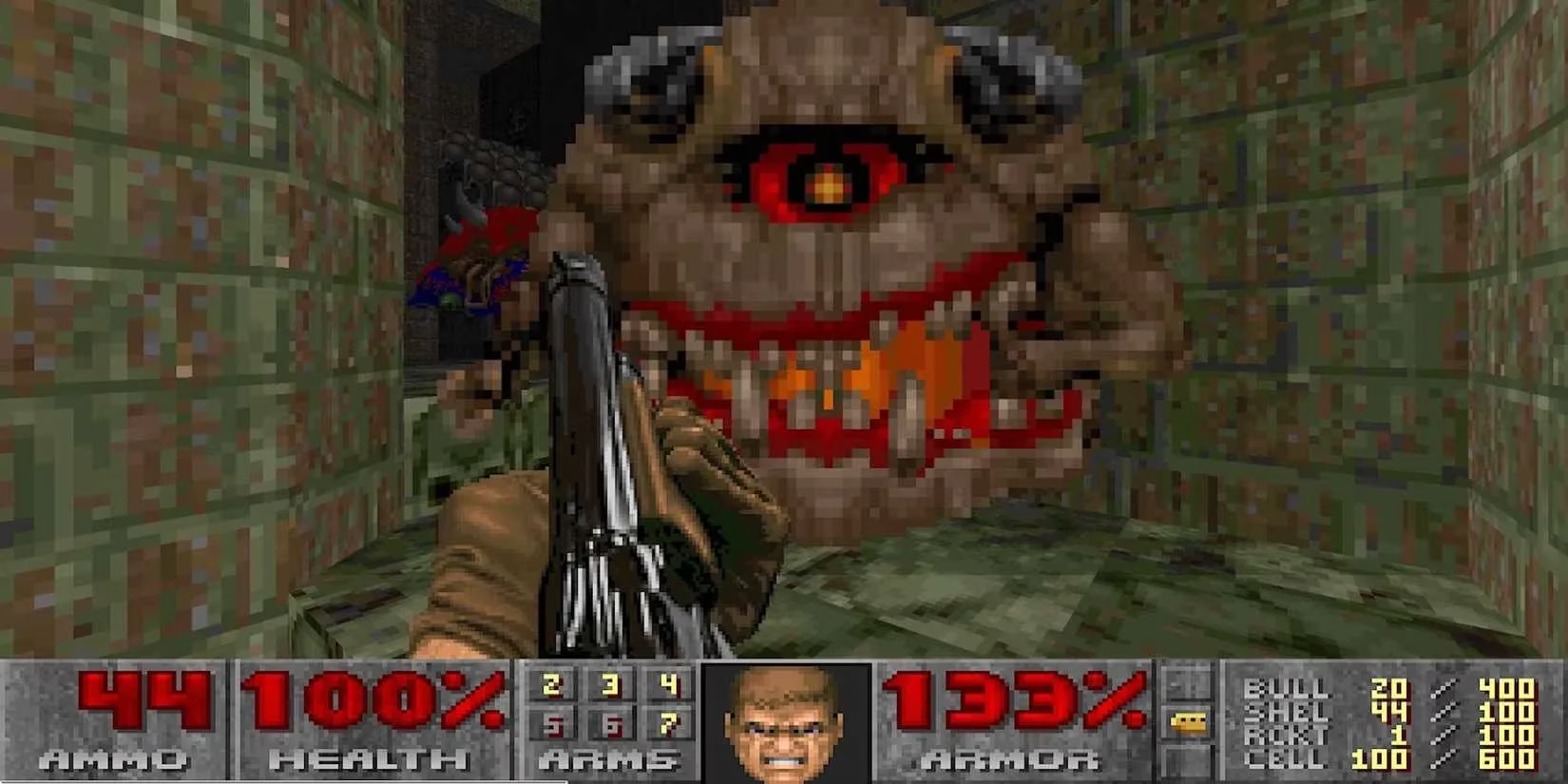 The 1994 sequel took the foundation and cranked everything to eleven. More metal music, faster-paced combat, and the introduction of an icon: the Super Shotgun. This double-barreled beast has become almost synonymous with Doomguy himself, rivaling the BFG 9000 in recognizability. Doom II was a direct upgrade that refined the formula, offering more intense and satisfying demon-slaying mayhem. It solidified the franchise's core identity for a generation.
3. DOOM: The Dark Ages (2025): Going Medieval
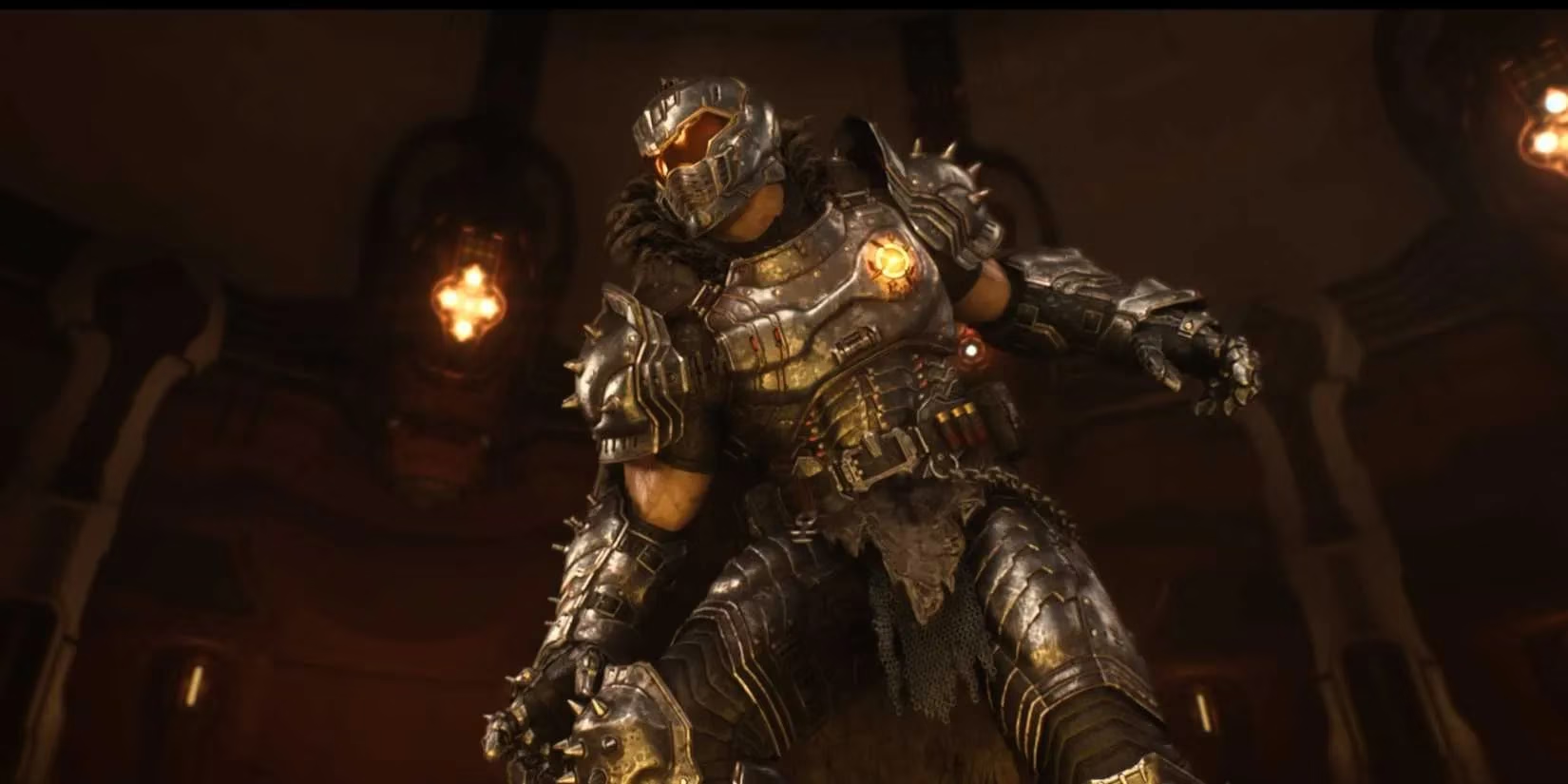 The newest major entry takes the Slayer to a grim, epic medieval setting. Creative director Hugo Martin described the shift: if you were an F-22 fighter jet in Eternal, you're now an Abrams tank. The combat loop focuses on standing your ground, parrying attacks, and facing enemies head-on as an immovable killing machine. It's a visually distinct and ambitious change. However, it's not without flaws:
-
Hit-or-Miss Chapters: Some levels shine brighter than others.
-
Redundant Weapons: Not every new tool feels essential.
-
The Soundtrack: This is the game's most significant sore point. The absence of Mick Gordon's iconic Argent metal is deeply felt. Finishing Move Inc.'s score, while competent, often feels like generic metal, lacking the punch that defined the modern reboot's audio identity.
Despite these issues, The Dark Ages is a bold and largely successful reinvention that pays more attention to lore while delivering brutal, ground-shaking combat.
2. DOOM (2016): The Glorious Reboot
Where is it, you ask? While not detailed in the provided reference, any ranking must acknowledge the 2016 reboot. This game single-handedly revived the franchise for a modern audience. It stripped away convoluted stories and delivered a pure, visceral power fantasy. The gameplay loop of 'push-forward combat'—where healing came from glory kills—was revolutionary. It married the spirit of the classics with stunning visuals and a pounding Mick Gordon soundtrack. It didn't just remind us why we loved Doom; it made us fall in love all over again.
1. DOOM Eternal: The Pinnacle of Combat
Again, while the reference material focuses on others, Doom Eternal stands as the franchise's peak (so far). It took the 2016 formula and transformed it into a high-speed, strategic ballet of destruction. The addition of the Meat Hook, flame belch, and ice bomb created an incredibly deep resource-management loop. Every arena became a puzzle to solve with bullets and brutality. The lore expanded, the levels became grandiose, and the combat demanded mastery. It is the ultimate expression of the Doom Slayer's power, a flawless execution of frenetic FPS gameplay that may never be topped. 🏆
| Rank | Game | Release Year | Key Trait |
|---|---|---|---|
| 12 | Mighty Doom | 2023 | Microtransaction-Marred Mobile Spin-off |
| 11 | Doom Resurrection | 2009 | Forgotten Rail Shooter |
| 10 | Final Doom | 1996 | Brutally Difficult Level Pack |
| 9 | Doom RPG | 2005 | Surprisingly Good Turn-Based Adaptation |
| 8 | Doom II RPG | 2009 | Upgraded Mobile RPG Sequel |
| 7 | Doom 64 | 1997 | Dark, Atmospheric Cult Classic |
| 6 | Doom 3 | 2004 | Divisive Survival Horror Experiment |
| 5 | DOOM | 1993 | The Timeless, Portable Original |
| 4 | DOOM II | 1994 | The Classic, Super Shotgun-Wielding Sequel |
| 3 | DOOM: The Dark Ages | 2025 | Grounded, Medieval Re-invention |
| 2 | DOOM (2016) | 2016 | The Genre-Defining Reboot |
| 1 | DOOM Eternal | 2020 | The Pinnacle of FPS Combat |
From humble pixels to interdimensional crusades, the Doom franchise's journey is a testament to evolving game design while staying true to a core premise: rip and tear until it is done. The Slayer's war is eternal, and we are all fortunate soldiers in his army. 🔥
Comms Channel