By 2026, the video game industry has turned the reboot into a curious ritual: a public exhumation, a rebuilding, and a gamble all at once. The old certainties no longer hold. Franchises that once ruled shelves now measure their lives in resets, and players have learned to read the signs — a familiar logo, a new engine, a hero with the same name but a different shadow. A reboot, in the right hands, is like a ship rebuilding itself plank by plank while still sailing; the hull looks new, but the crew remembers every storm. Others treat continuity like a DJ scratching the same record until a fresh beat finally drops. Either way, the reset has become a survival tactic, not a surrender.
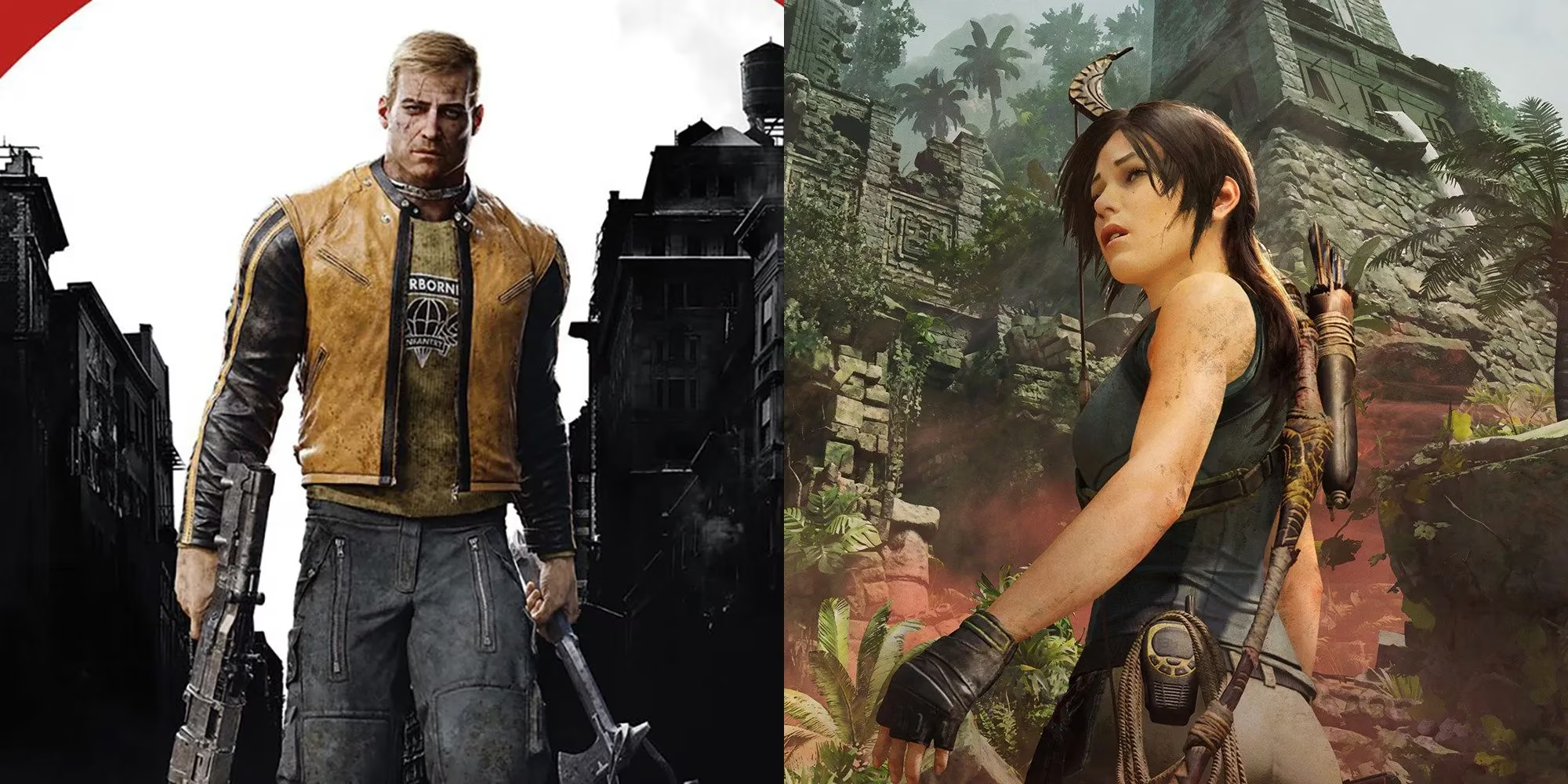
Wolfenstein: The Long Road Back
The Wolfenstein franchise is older than most of its players and twice as stubborn. One of the first first-person shooters in existence, it was also one of the first games to receive a reboot, with Return to Castle Wolfenstein reworking many elements of the original. That was only the beginning. A 2009 game simply called Wolfenstein modernized the formula again, borrowing the feel of Call of Duty, but the result disappointed. Then came 2014’s Wolfenstein: The New Order, a narrative-focused reboot that finally stuck, spawning sequels and restoring a level of acclaim the series had not enjoyed since the 1980s. By 2026, Wolfenstein stands as a case study in persistence: a franchise can be a stubborn old soldier who refuses to leave the field until the battle is won.
Zelda: The Hero Who Is Always New
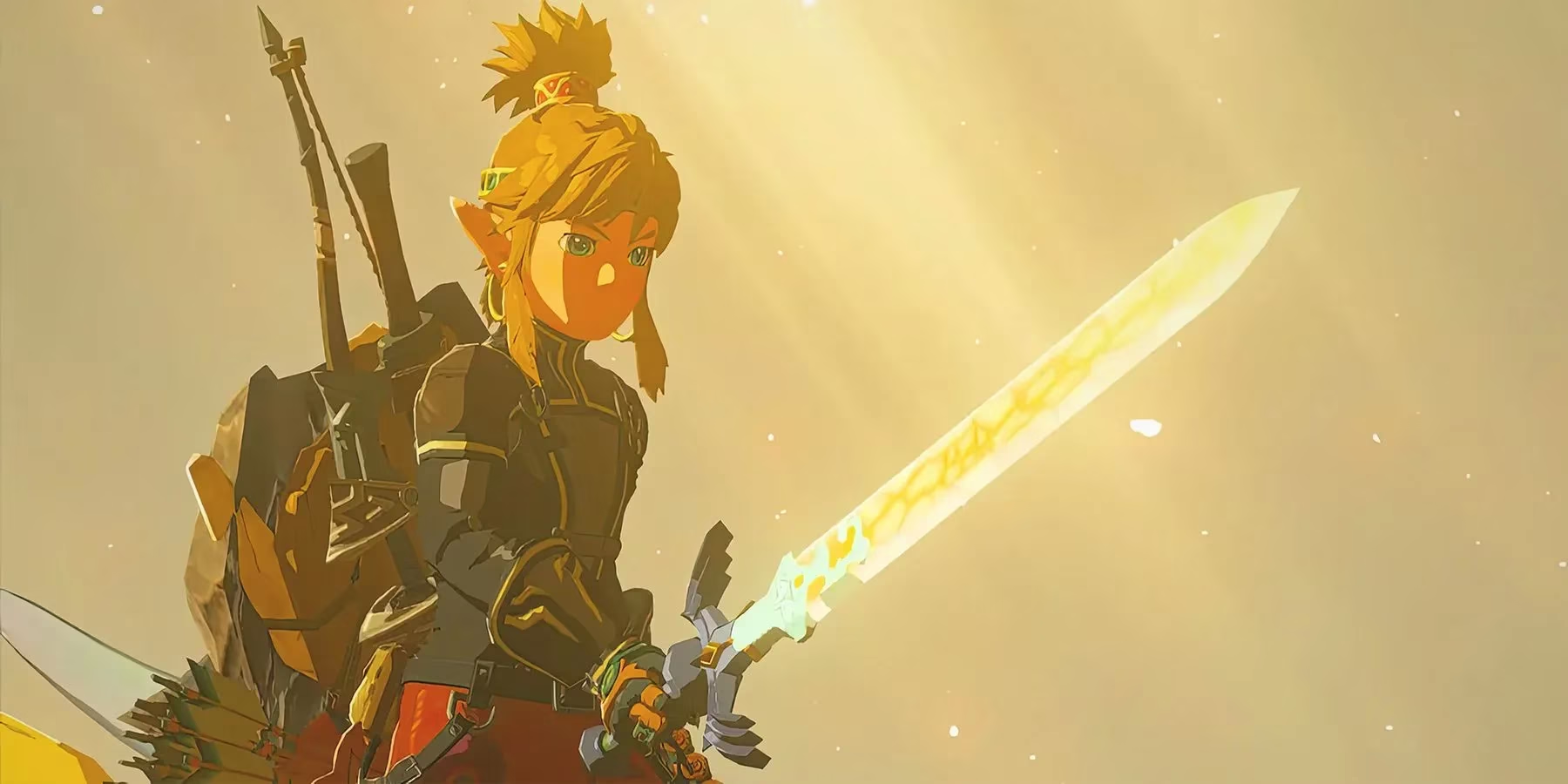
The Legend of Zelda is a strange beast. It tells different stories of heroes all called Link, usually alongside Princess Zelda and Ganondorf, yet each telling resets the world, the timeline, and sometimes the rules. Breath of the Wild made the timeline more conclusive than ever, but the series still feels like a chain of reboots rather than a single continuation. Many entries are perfect jumping-on points because they offer a fresh slate. Like a myth told around a fire, each retelling changes the face of the hero but keeps the flame alive.
Call of Duty: The Loop of Modern Warfare
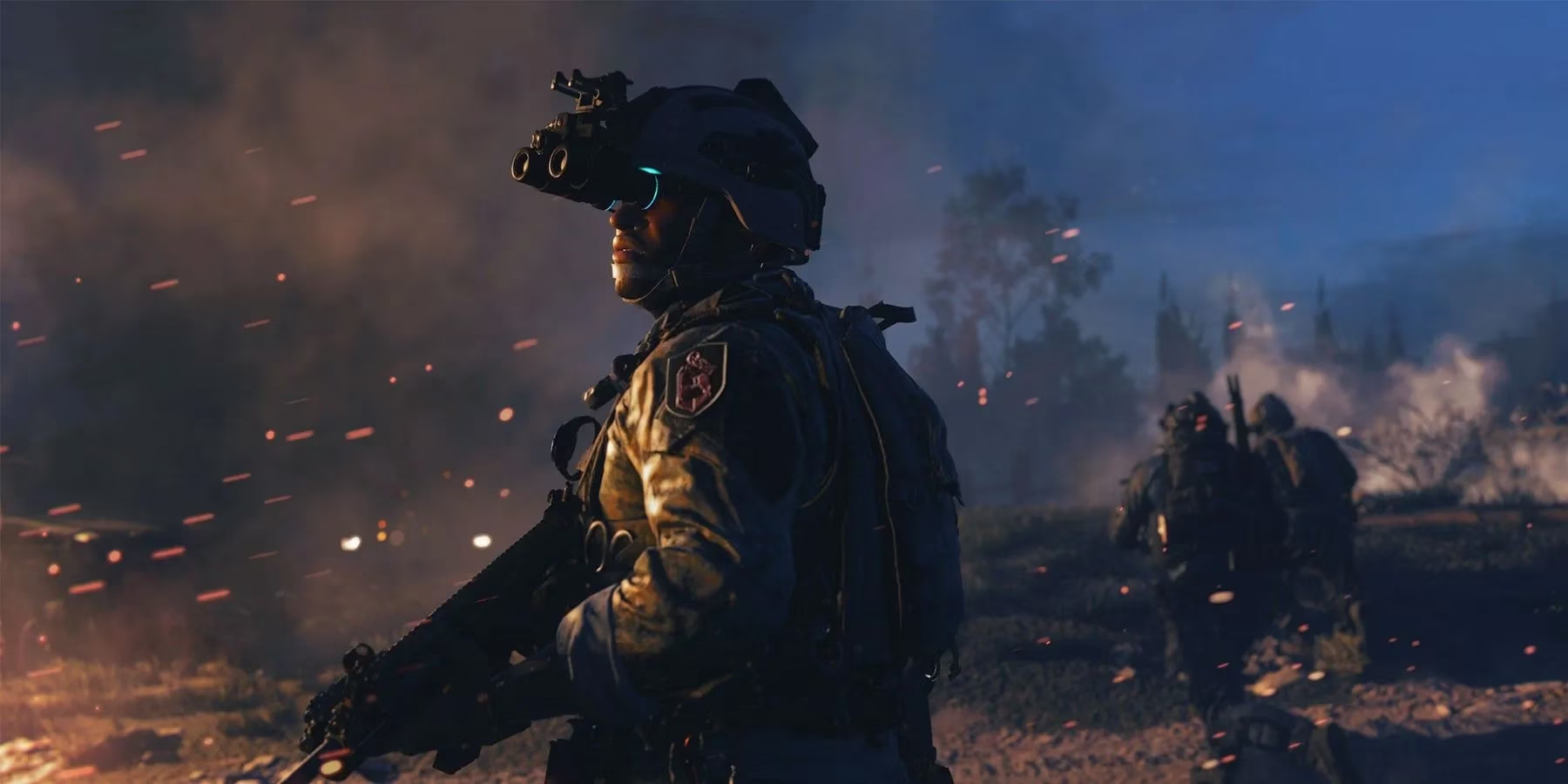
Call of Duty has always searched for new ways to retread old ground. Instead of exploring fresh wars, it returned to World War II battles multiple times, then added a remade Modern Warfare trilogy to its history. After detours into the future with Advanced Warfare and Infinite Warfare, the franchise went back to its roots with Call of Duty: WWII, which revisited events from World at War. The remade Modern Warfare trilogy was a full reboot, even bringing back characters like Captain Price. As of 2026, more reboots may be on the way. The series behaves like a war historian who keeps rewriting the same chapter with better maps and louder explosions.
Doom: The Demon That Keeps Coming Back
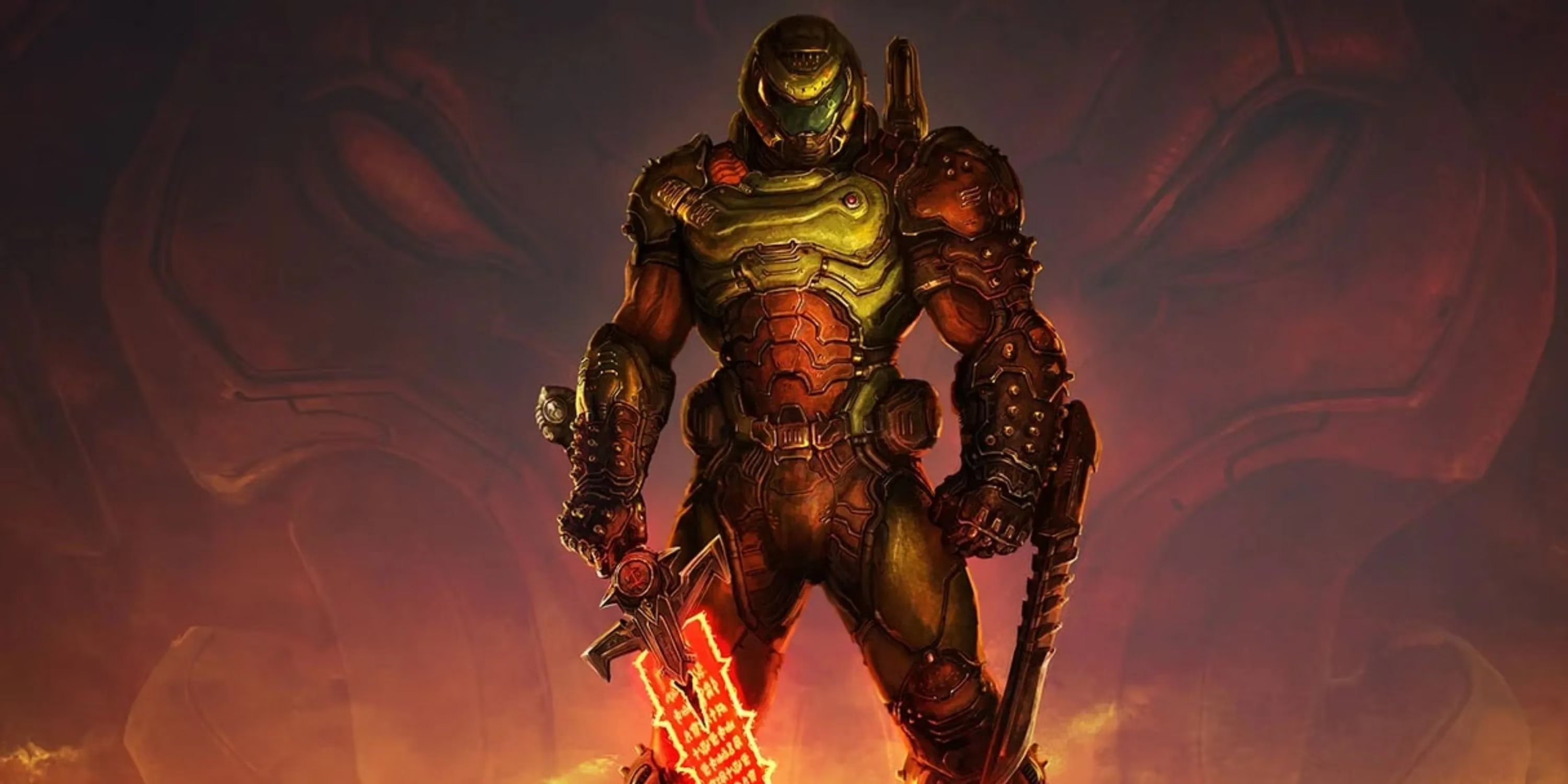
Doom has enjoyed one of the best reboot resurgences in gaming. The 2016 reboot was a phenomenal success, retaining the violent nature and story aspects of the older games while updating the style. Its sequel, Doom: Eternal, has been hailed by some critics as one of the greatest and most original FPS games of all time. Yet many newer fans forget that Doom 3 was also a reboot, ignoring previous events and pitting a space marine against demons on Mars. Each telling is similar, but the franchise has reset multiple times to tell a fresh version of the tale. A new inspiration could trigger another reset soon.
Final Fantasy: No Continuity, Only Universes
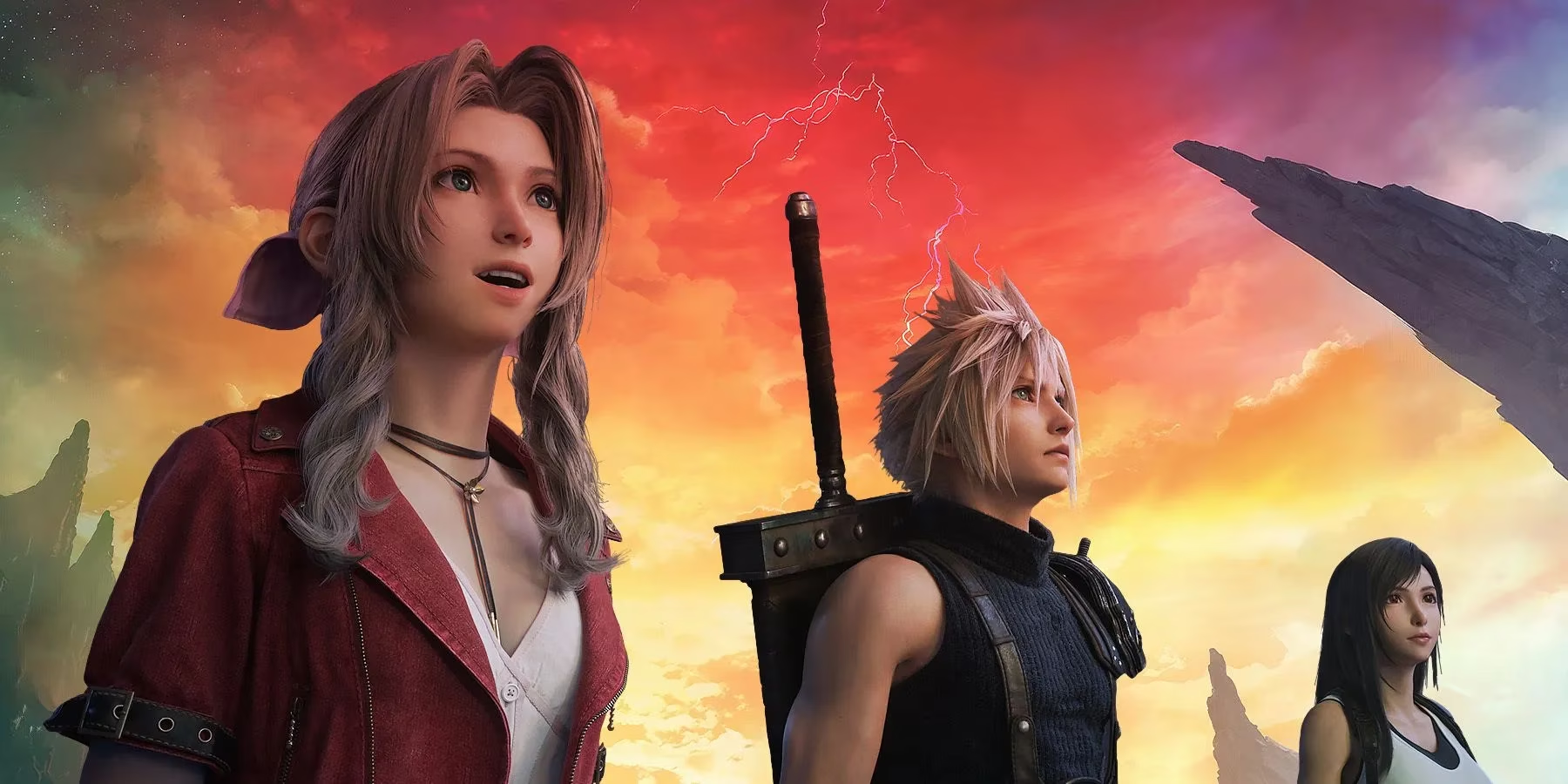
Final Fantasy has never had a strict franchise reboot, but every main entry tells a completely different story, throwing chronology out the window. Spin-offs and entries set within the same worlds exist, yet the series has effectively rebooted its universe many times. Now on its sixteenth main entry, Final Fantasy has influenced the industry through its wildly different friends, foes, and cosmologies. It is like a library where every book has a different cosmology but the same shelf — readers return for the promise of a new world, not the same one.
Tomb Raider: Lara Croft, Reborn
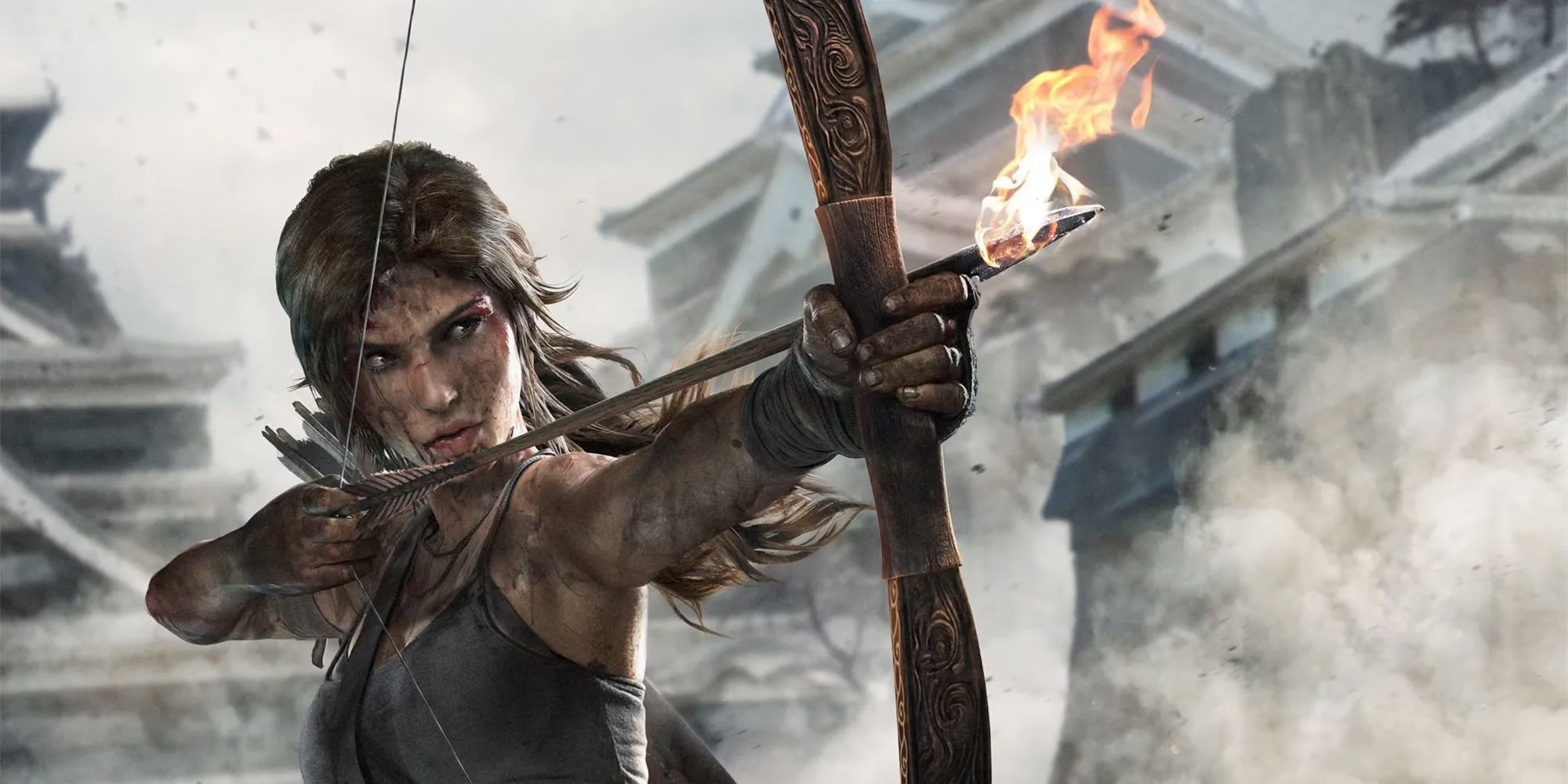
Lara Croft is one of gaming’s best-known protagonists, so it is hardly surprising that her history has been reset multiple times. Tomb Raider: Legend in 2006 reimagined her origins and sent her after Excalibur. Then 2013’s Tomb Raider reboot reimagined her origins again, shifting focus from combat toward exploration and survival. That game launched a successful trilogy and inspired similar titles. The gap between reboots was short, but the results proved that a character can be developed again with different chemicals, like a photograph that reveals new details under a fresh bath.
The Reboot Ledger
| Franchise | Reboot Strategy | Notable Resets |
|---|---|---|
| Wolfenstein | Repeated modernization | 2009, 2014 |
| Zelda | Fresh hero, fresh timeline | Breath of the Wild era |
| Call of Duty | Rebuilt Modern Warfare | 2019 trilogy |
| Doom | Reset to Mars, again | Doom 3, Doom 2016 |
| Final Fantasy | New universe per main entry | XVI |
| Tomb Raider | Origin retellings | Legend, 2013 |
The Second Chance Business
By 2026, reboots are no longer just marketing stunts. They are narrative second chances, controlled burns that clear old growth so new stories can rise. Some franchises stumble, some succeed, and some keep resetting until they find the right frequency. 🎮 The lesson from Wolfenstein, Zelda, Call of Duty, Doom, Final Fantasy, and Tomb Raider is simple: a reset works best when it remembers what made the original worth saving. 🔁
Critical perspectives are drawn from PC Gamer, whose reporting on long-running series helps explain why reboots like Doom 2016, Tomb Raider, and Wolfenstein: The New Order succeed when they preserve a franchise's core identity while modernizing mechanics, presentation, and storytelling for a new generation of players.
Comms Channel