I still remember the first time I booted up Doom: The Dark Ages back in 2025, controller in hand, ready to rip and tear through a medieval hellscape. Now, well into 2026, after countless hours of demon-slaying, I can say with absolute certainty that this prequel not only carved its own brutal identity but also cleverly addressed the rhythmic missteps of its predecessor’s DLC. The Ancient Gods expansion for Doom Eternal had its moments of glory, but its inconsistent combat flow left many of us Slayers gritting our teeth—not from challenge, but from forced interruptions. The Dark Ages, however, feels like a masterclass in controlled chaos, trading frantic aerial acrobatics for a heavier, more grounded dance of destruction that never loses its groove.
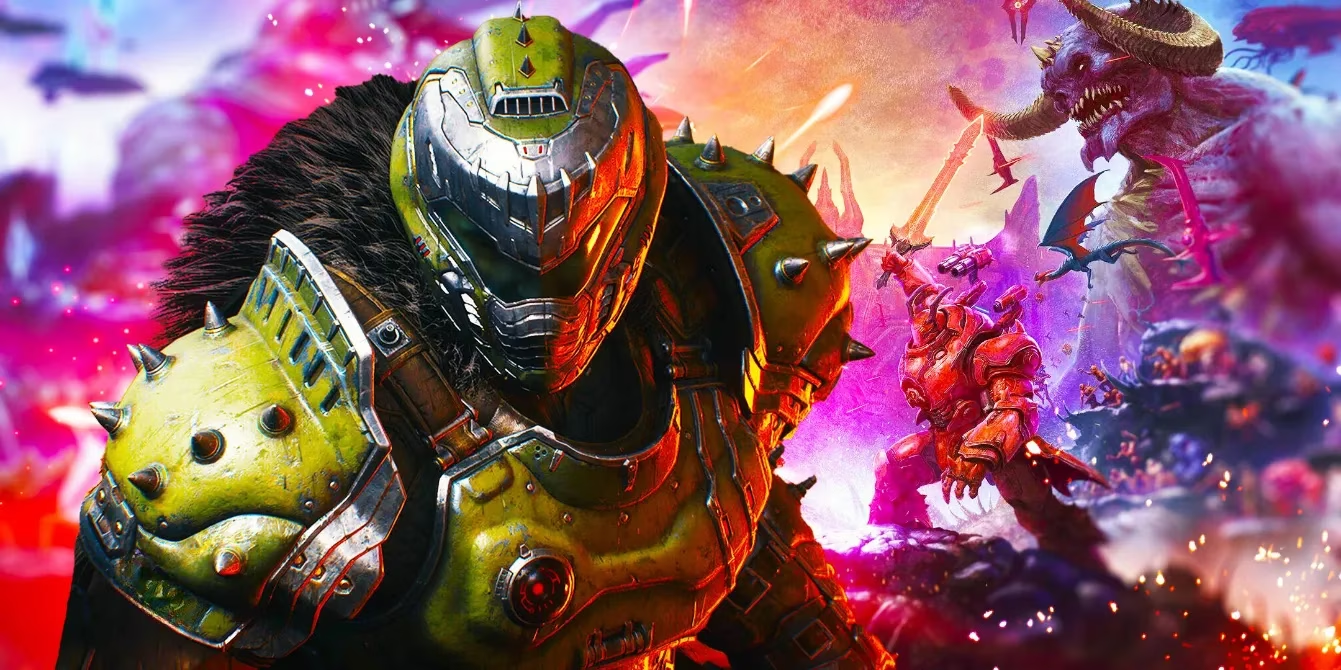
Let’s rewind a bit. Doom Eternal was a symphony of speed and violence, a high-skill ballet where the Slayer constantly swapped weapons, dashed through the air, and chained glory kills to stay alive. Its rhythm was intoxicating—until The Ancient Gods dropped a wrench in the works. The DLC introduced new enemies that, while undeniably tough, had a nasty habit of slamming the brakes on combat. The Spirit enemy, for example, would possess a demon, making it a bullet sponge that demanded you stand perfectly still and use the Microwave Beam to exorcise it. Talk about a buzzkill. Gone was the freedom to improvise; instead, you were pigeonholed into a tedious dance of waiting and zapping. Then there was the final boss of Part Two, which swapped the series’ trademark kinetic gunplay for an arena brawl that felt sluggish and deeply unsatisfying. I remember thinking, “This isn’t the power fantasy I signed up for.”
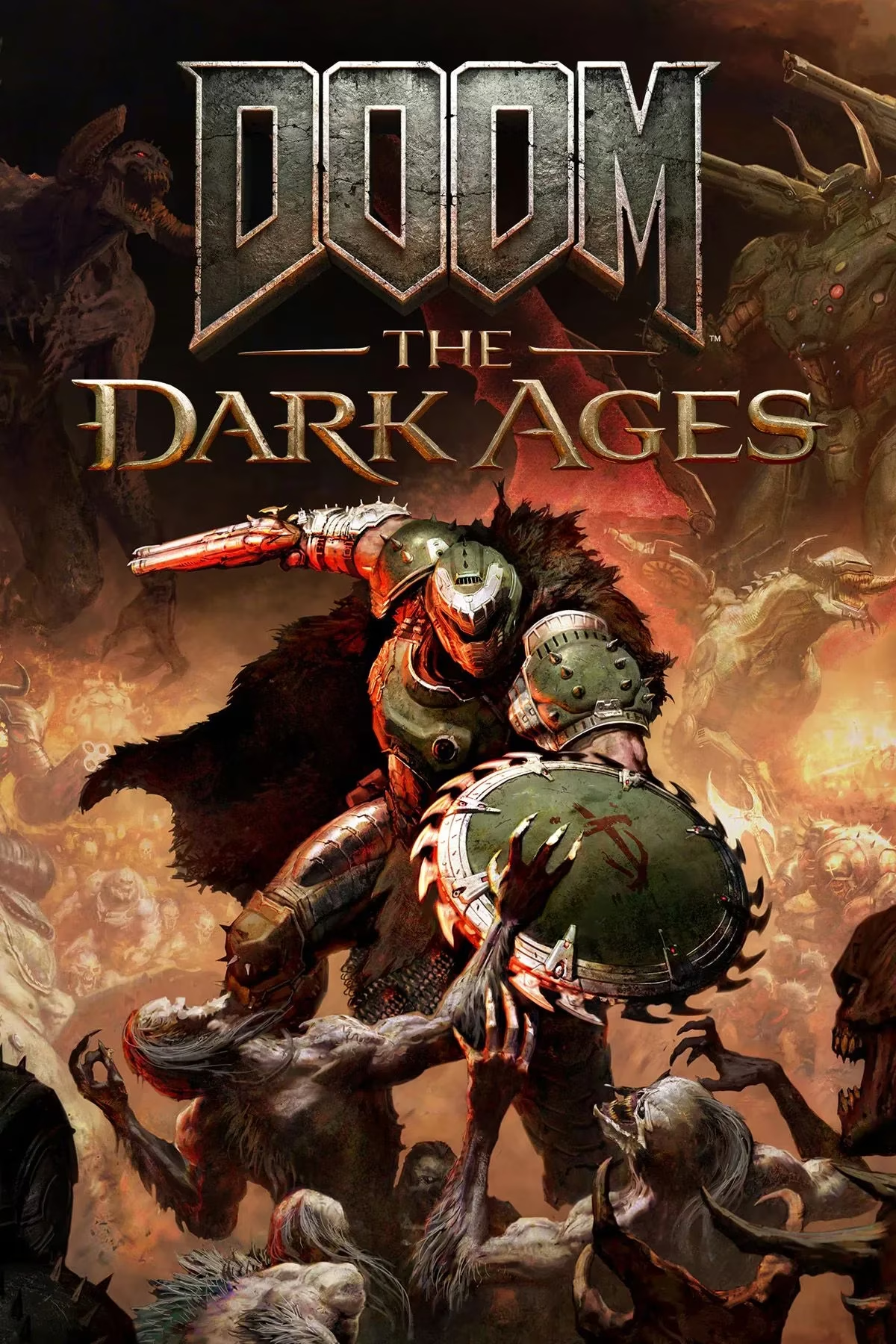
Doom: The Dark Ages looked at those complaints and essentially said, “Hold my Super Shotgun.” Set before the events of 2016’s reboot, it delves into the Slayer’s origin story against a grim, gothic backdrop. The narrative shift is a perfect excuse to reinvent the gameplay loop. Gone is the mandatory breakneck speed; in its place is a tankier, boots-on-the-ground approach where every step crunches and every swing of a new weapon feels like a thunderclap. And that’s where the genius lies: by slowing things down intentionally from the get-go, id Software has crafted a combat cadence that remains unbroken from the first imp to the final boss.
The star of the show is undoubtedly the Shield Saw. At first blush, a shield might seem like a defensive tool that would only further slow the pace. But in true Doom fashion, the Slayer uses it as an offensive wrecking ball. You can parry incoming projectiles right back into a demon’s grinning face, shred through hordes like a blender, or even ricochet the saw between enemies like some sort of hellish frisbee. This mechanic keeps the momentum rolling forward—aggressively. Even when a Marauder-like enemy forces you to play more cautiously, you’re never locked into standing around. Instead, you’re darting in, deflecting a blow, and countering with a devastating shield bash that flows directly into a shotgun blast. It’s a rhythmic, almost fighter-game-esque exchange that rewards timing and skill without ever yanking control from the player.
Speaking of control, the revamped glory kill system deserves a standing ovation. In Eternal, the glory kills—while visceral and satisfying—could grow repetitive and occasionally disrupt your flow, especially when you just wanted to keep shooting. The Dark Ages integrates the system more seamlessly, making these finishing moves a natural extension of combat rather than a brief cinematic timeout. You’re no longer invincible during the animation, so you decide when and if it’s smart to execute one. This small tweak maintains player agency and keeps the adrenaline pumping.
I’d be remiss not to mention how the medieval setting itself reinforces this new pace. The massive Atlan mech sections and dragon-riding sequences provide epic, larger-than-life spectacles that break up the on-foot carnage without diluting its intensity. When you’re piloting a skyscraper-sized mech and trading blows with a titan, the slower, weightier movement feels absolutely right. It’s a far cry from the jittery platforming of Eternal, and all the better for it. These detours, which could have been gimmicky, are instead woven into the game’s DNA as power trips that amplify the Slayer’s unstoppable nature.
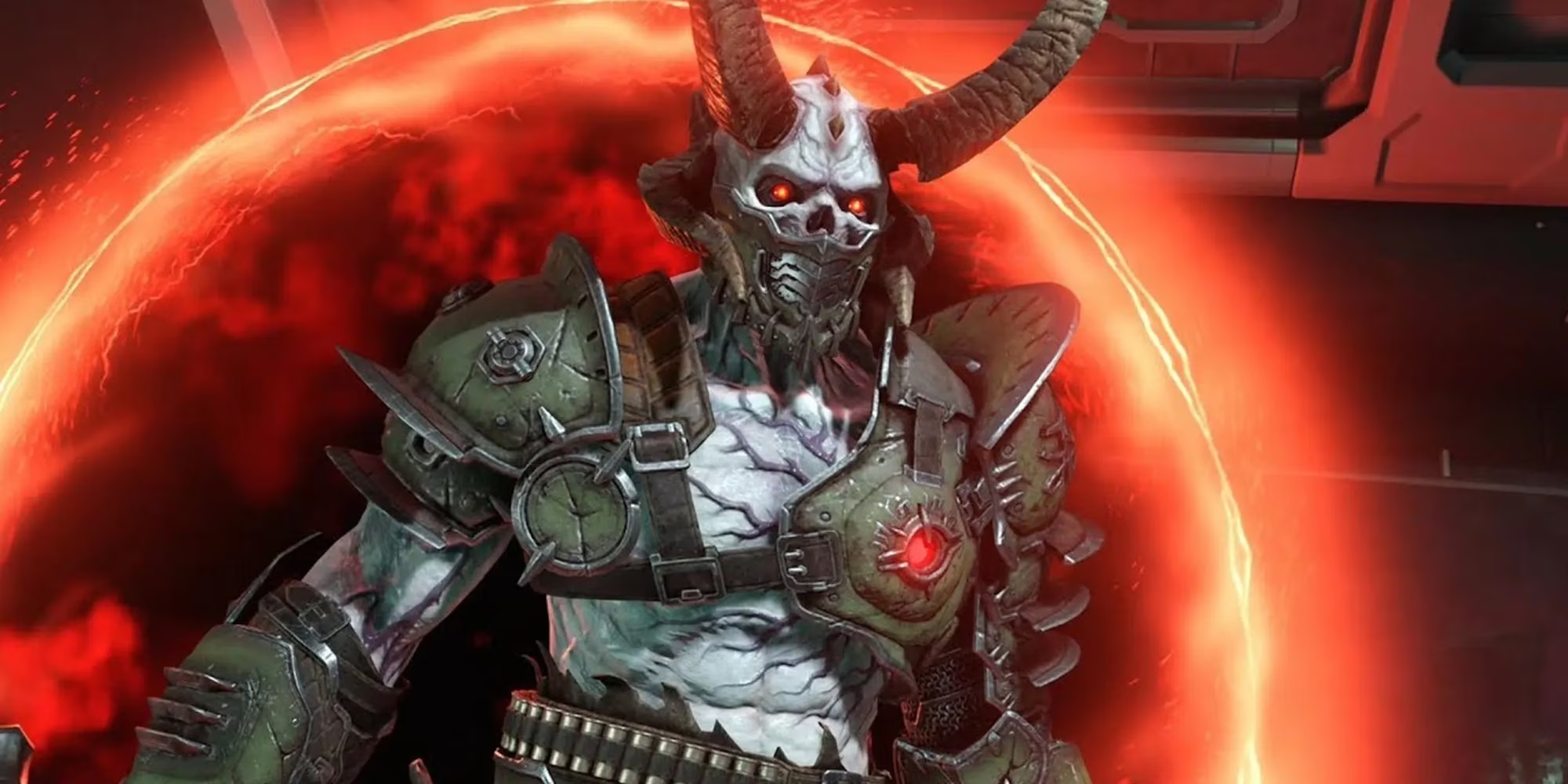
Now, don’t get me wrong—I adored Doom Eternal. The Marauder fights, once mastered, turned into some of the most exhilarating duels in the franchise. An experienced Slayer could down one in two swift combos, a testament to the game’s high skill ceiling. But the friction in The Ancient Gods stemmed from inconsistency: some encounters demanded a very specific, slow solution, while others let you run wild. The Dark Ages sidesteps this entirely by designing every enemy and arena around its core philosophy of “stand your ground and punish.” You’re always advancing, always attacking, even when you’re blocking. It’s a thinking-person’s Doom—less about raw speed and more about tactical brutality.
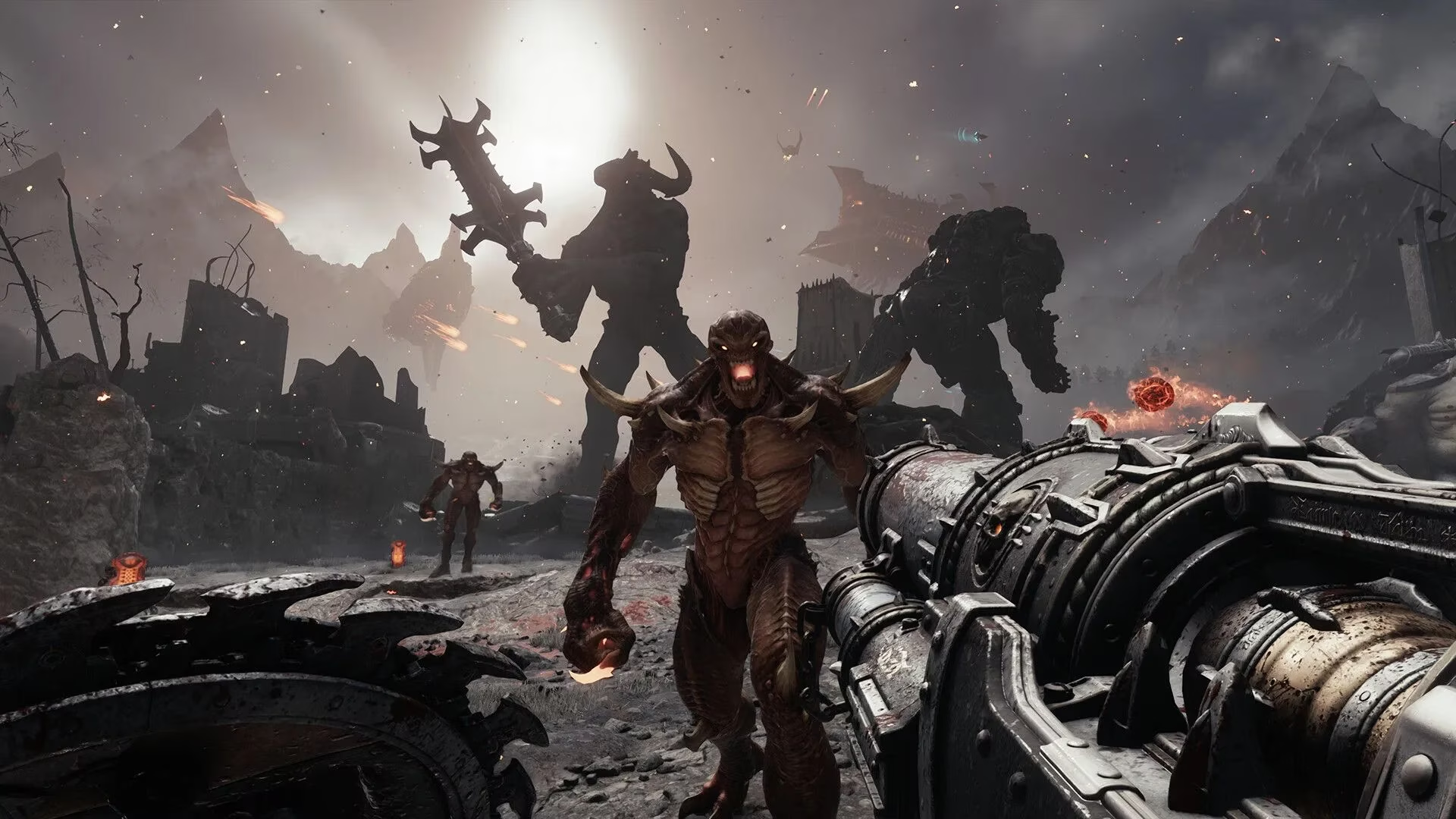
After two years of playing The Dark Ages, I keep coming back because its flow never gets old. It’s the smooth, heavy-metal album you put on repeat—each track heavy, each breakdown perfectly timed. It might not have the same frenetic freedom as its predecessor, but it offers something the DLC missed entirely: consistency. The Slayer feels like an unstoppable piece of armored fury, and every battle is a puzzle you solve with bullets and blades, not with awkward mandatory gimmicks. For any fan who felt burned by The Ancient Gods’ pacing issues, this prequel is the redemption arc you’ve been craving. It’s a bold, fresh step that doesn’t just honor the series’ roots but also hammers out a new, rock-solid identity. Rip and tear, my friends—slowly, and with purpose.
Comms Channel