The long-awaited Nintendo Switch 2 has finally arrived, marking a significant leap forward in the gaming world after its official launch in late 2024. Building on the immense success of its predecessor, which debuted back in 2017, this new hybrid console addresses years of pent-up demand from millions of fans and developers alike. With key partners having received development kits well in advance, the transition has been smooth, reigniting excitement across the globe. Gamers are no longer forced to compromise on performance, as the Switch 2 eliminates the hardware limitations that plagued ambitious titles like The Legend of Zelda: Tears of the Kingdom. Now, in 2025, players can enjoy a seamless, high-fidelity experience that pushes boundaries without the frustrating hiccups of the past. This upgrade isn't just a minor refresh; it's a transformative evolution that honors Nintendo's legacy while propelling it into a new era of innovation and accessibility. 😊
Addressing the Long-Standing Performance Gaps
For nearly a decade, the original Nintendo Switch struggled with technical constraints, often forcing developers to scale back their visions. Games such as The Witcher 3 and Doom Eternal, while miraculous ports, suffered from muddy textures and inconsistent frame rates, making them less enjoyable on the aging hardware. The Switch 2 changes all that, boasting specs that support 4K resolution and a steady 60 FPS, even in demanding open-world environments. This leap in power allows for greater draw distances and richer visuals, freeing titles from the reliance on cel-shading that once defined the Switch aesthetic. Imagine revisiting Tears of the Kingdom with enhanced clarity and fluidity—no more pop-in issues or lag during intense battles. 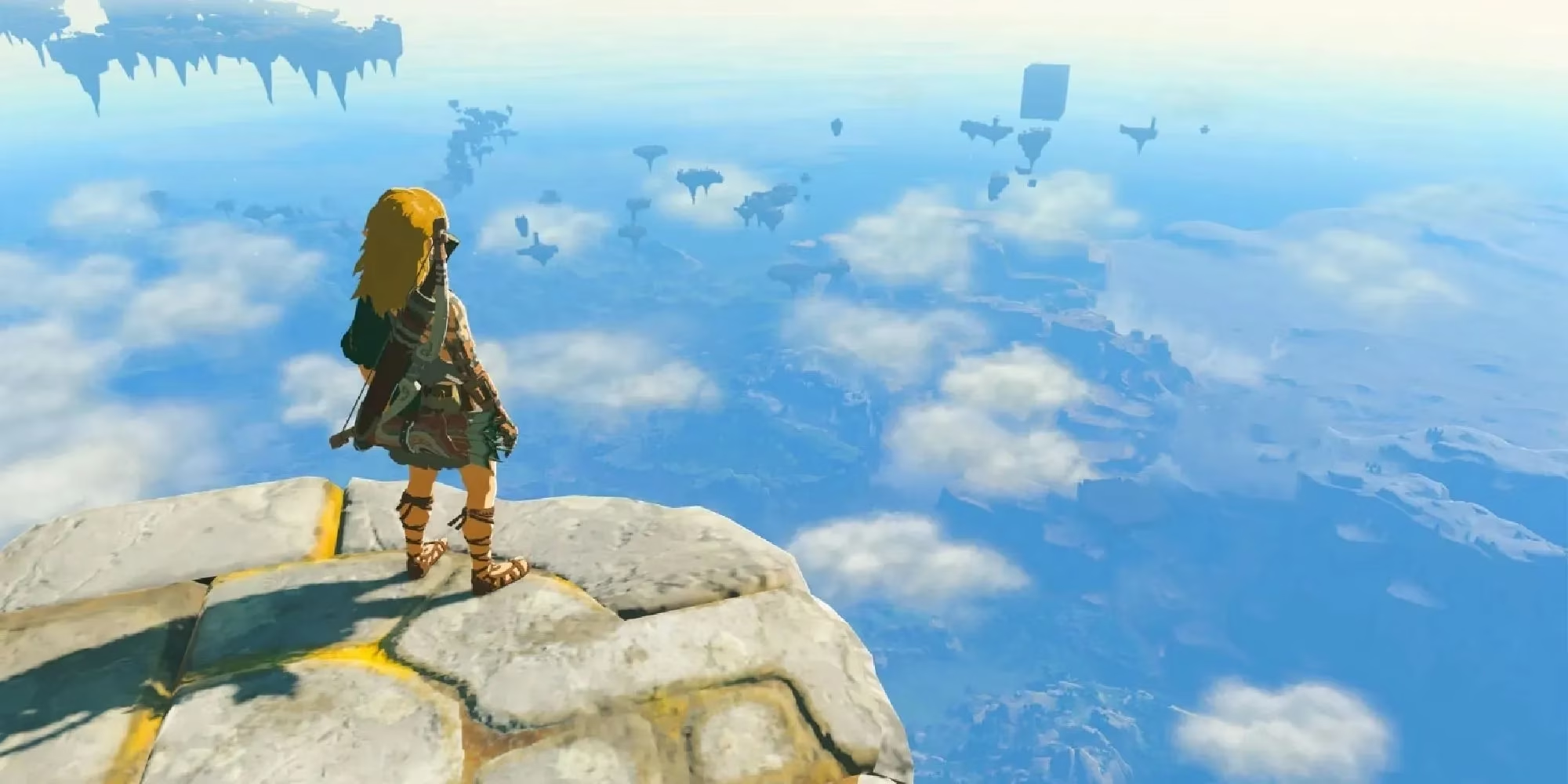 The game's multi-layered world now renders flawlessly, showcasing what the Switch was always meant to achieve. Developers are ecstatic, as they no longer need to 'nip and tuck' their creations to fit; instead, they can focus on delivering full, uncompromised experiences. This shift not only elevates new releases but also retroactively improves older games through backward compatibility, ensuring that beloved libraries remain vibrant and relevant. 🎮
Backward Compatibility: A Seamless Transition
One of the most praised features of the Switch 2 is its robust backward compatibility, which allows gamers to carry over their extensive collections from the original Switch without any additional cost. This means that titles like Breath of the Wild or Super Mario Odyssey run smoother and look sharper, with automatic updates that enhance resolution and frame rates. No longer do players face the dilemma of repurchasing games or jumping through hoops for minor improvements. The table below highlights key benefits of this compatibility:
| Feature | Original Switch | Switch 2 (2025) |
|---|---|---|
| Resolution | Up to 1080p docked | Native 4K support |
| Frame Rate | Often 30 FPS, with drops | Consistent 60 FPS |
| Load Times | Noticeable delays | Near-instant loading |
| Visual Enhancements | Basic, with texture issues | Higher detail, no compromises |
This backward support has been a game-changer, preserving the emotional investment fans have in their libraries while eliminating the hardware 'hamstringing' that once stifled enjoyment. For instance, ports that were previously considered 'hollow victories' now shine, bridging the gap with other platforms and offering a truly premium experience. The Witcher 3, in particular, benefits immensely, transforming from a compromised version to a visually stunning adventure. 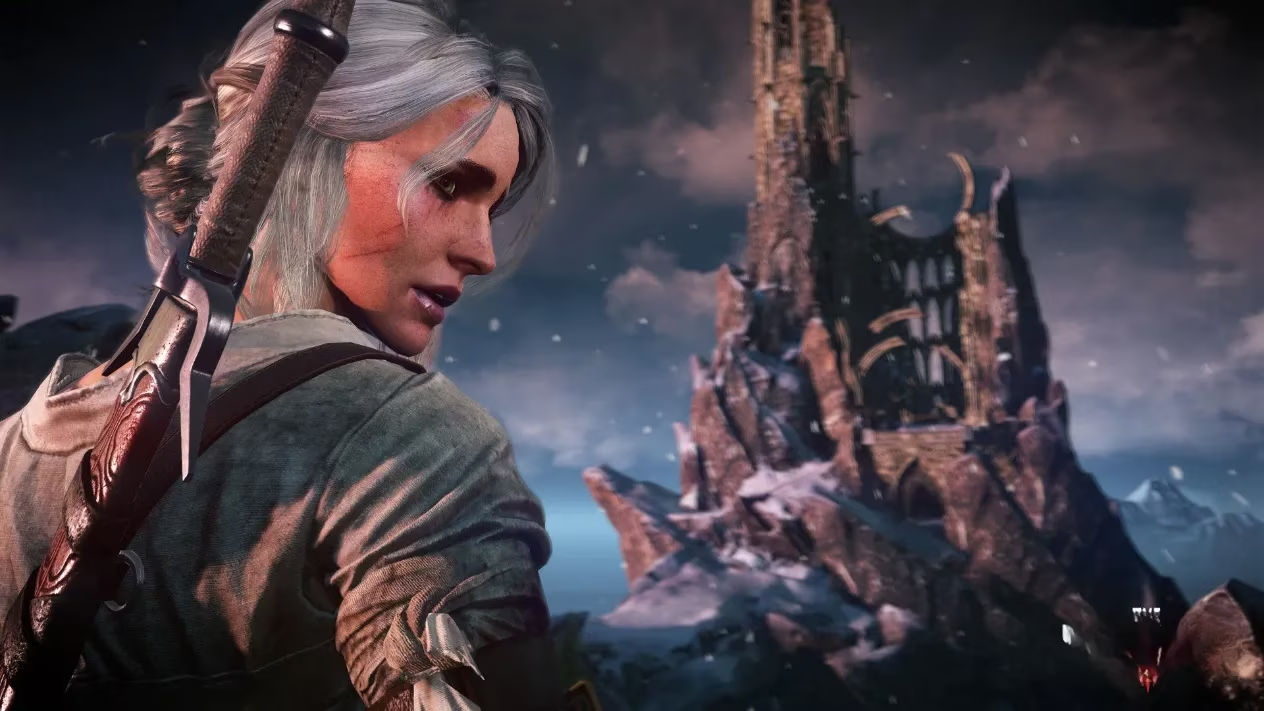 Such advancements demonstrate Nintendo's commitment to its community, ensuring that the Switch 2 isn't just a new device but a continuation of a cherished journey. 😍
Revamped User Interface and Quality of Life
Beyond raw power, the Switch 2 introduces a much-needed overhaul of its user interface, addressing years of criticism over the bland and outdated system. Gone is the lifeless menu of the past; in its place, a dynamic, customizable interface that exudes personality and modern flair. Players can now enjoy:
-
Custom Themes: Choose from a variety of animated and static backgrounds, reflecting personal tastes or favorite games.
-
Improved eShop: Faster navigation, better recommendations, and integrated social features make discovering new titles a joy.
-
Free Quality Updates: Regular, no-cost enhancements like cloud saves and parental controls, eliminating the paywall frustrations of old.
This refresh signals a departure from Nintendo's perceived indifference, showing a proactive approach to user satisfaction. The new UI isn't just functional—it's engaging, with intuitive layouts that reduce clutter and boost accessibility. In 2025, gamers no longer tolerate interfaces that feel 'decades in the past'; instead, they revel in a system that evolves with their needs, fostering a deeper connection to the console. 🚀
Broader Impact on the Gaming Ecosystem
The launch of the Switch 2 has rippled through the industry, empowering developers to create without constraints and delighting fans with unprecedented possibilities. Titles that once pushed the original Switch to its limits, such as Tears of the Kingdom, now achieve technical milestones rivaling emulators, with smoother gameplay and richer details. This has opened doors for more ambitious projects, from indie gems to AAA blockbusters, all running flawlessly on the hybrid design that remains a hallmark of Nintendo's innovation. Market response has been overwhelmingly positive, with sales soaring as players appreciate the blend of nostalgia and novelty. Looking ahead, the Switch 2 sets a new standard, proving that upgrades can enhance rather than upend gaming habits. As Nintendo continues to march to the beat of its own drum, this successor ensures that the magic of gaming endures, stronger and more vibrant than ever. 🎉
Comms Channel