I have always been drawn to the way video games render the unrenderable, and few subjects are as slippery as the afterlife. In 2026, with so many games chasing photorealism and live-service permanence, I find myself returning to the titles that treat death not as a fail state but as a destination—a place with its own weather, its own bureaucracy, and its own strange beauty. The afterlife in these games is like a borrowed coat that never quite fits: sometimes it chafes against my shoulders, sometimes it warms me in ways I did not expect. What follows is a personal tour of the ten games that, for me, turned the great unknown into something I could walk through, fight through, and occasionally drink through.
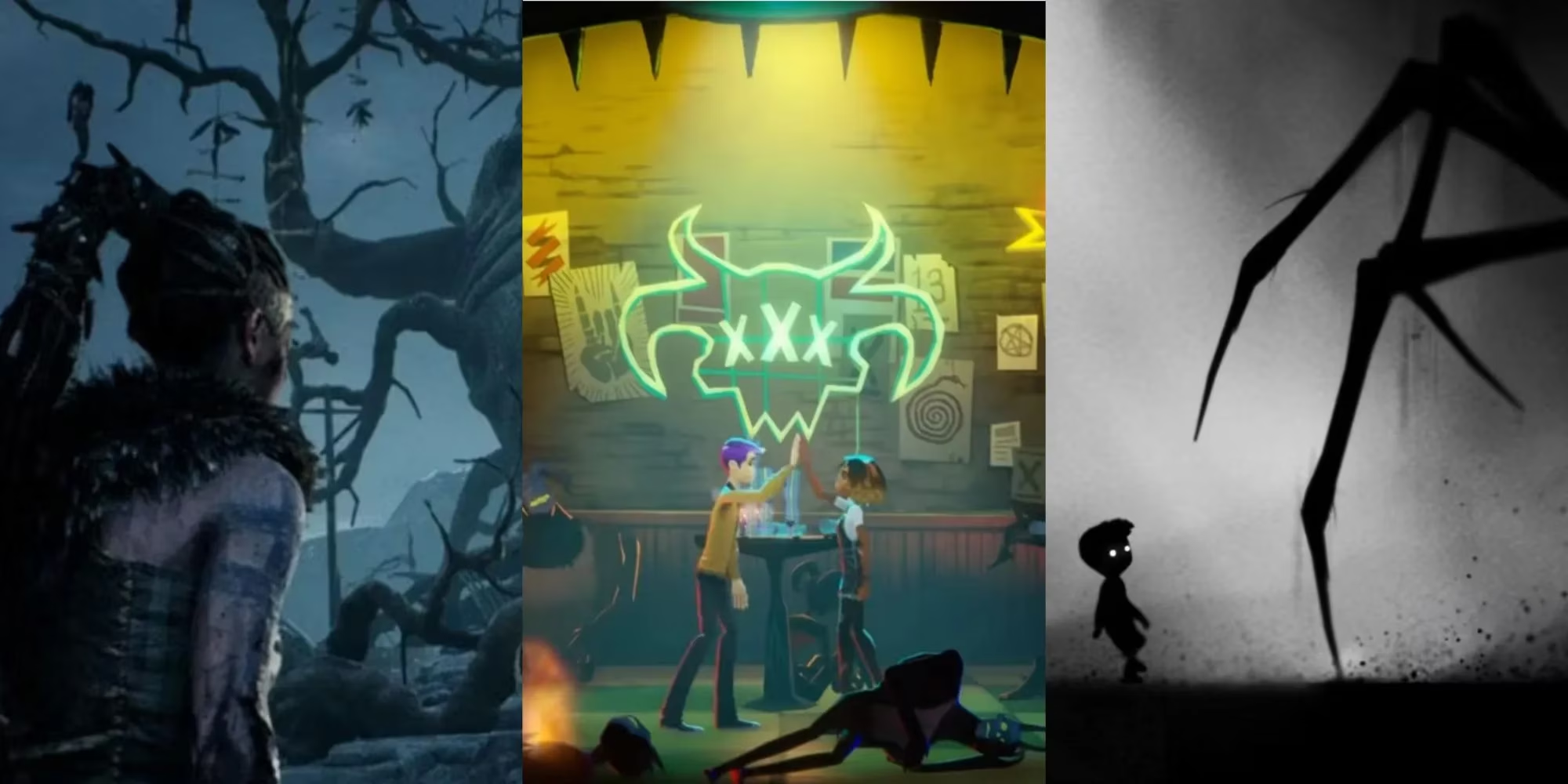
Why the Afterlife Still Fascinates Me in 2026
I grew up thinking of death as a curtain. These games pulled the curtain back and showed me a stage crowded with clowns, ferrymen, demons, and exhausted gods. They did not agree on what waits for us. That disagreement is the point. Some afterlives are neon-lit and sarcastic; others are monochrome and silent. Some smell of brimstone and metal; others smell of salt air and fresh bread. The best of them make me feel like a tourist in a country whose language I almost understand.
| Game | Afterlife Flavor | My One-Sentence Verdict |
|---|---|---|
| Grim Fandango | Aztec-inflected film noir | A detective story pressed between the pages of a codex. |
| Dante’s Inferno | Literal circles of Hell | A grim pilgrimage that never lets me look away. |
| Metal: Hellsinger | Rhythm-shooter Hell | Hell as a metronome of violence. |
| Doom | Sci-fi Hell incursion | The original rip-and-tear vacation package. |
| Afterparty | Comedy Hell | The only underworld where I would order a second round. |
| Hades | Greek underworld | A roguelike family reunion with better lighting. |
| Limbo | Monochrome shadow-world | A shadowbox built by a child who forgot which way is home. |
| Before Your Eyes | Blink-driven afterlife | Life passing in the space between eyelid and tear. |
| Senua’s Sacrifice | Norse Helheim | A mythic descent that treats psychosis with rare care. |
| Spiritfarer | Gentle, nautical afterlife | Death as a garden that must be tended. |
When Hell Is a Noir Film: Grim Fandango

I still remember the first time I saw Manny Calavera’s skeletal face. Grim Fandango takes the Aztec afterlife and folds it into a film-noir diorama, as if a detective story had been pressed between the pages of an illuminated codex. The characters look like calaca figures from Day of the Dead celebrations, and yet they smoke cigarettes, run travel agencies, and complain about paperwork. That collision of the sacred and the mundane is what makes the game’s Land of the Dead feel lived-in rather than merely designed. I do not just visit this afterlife; I feel like I have a desk there, and the desk is slightly too small.
Rhythm and Carnage: Hellsinger and Doom
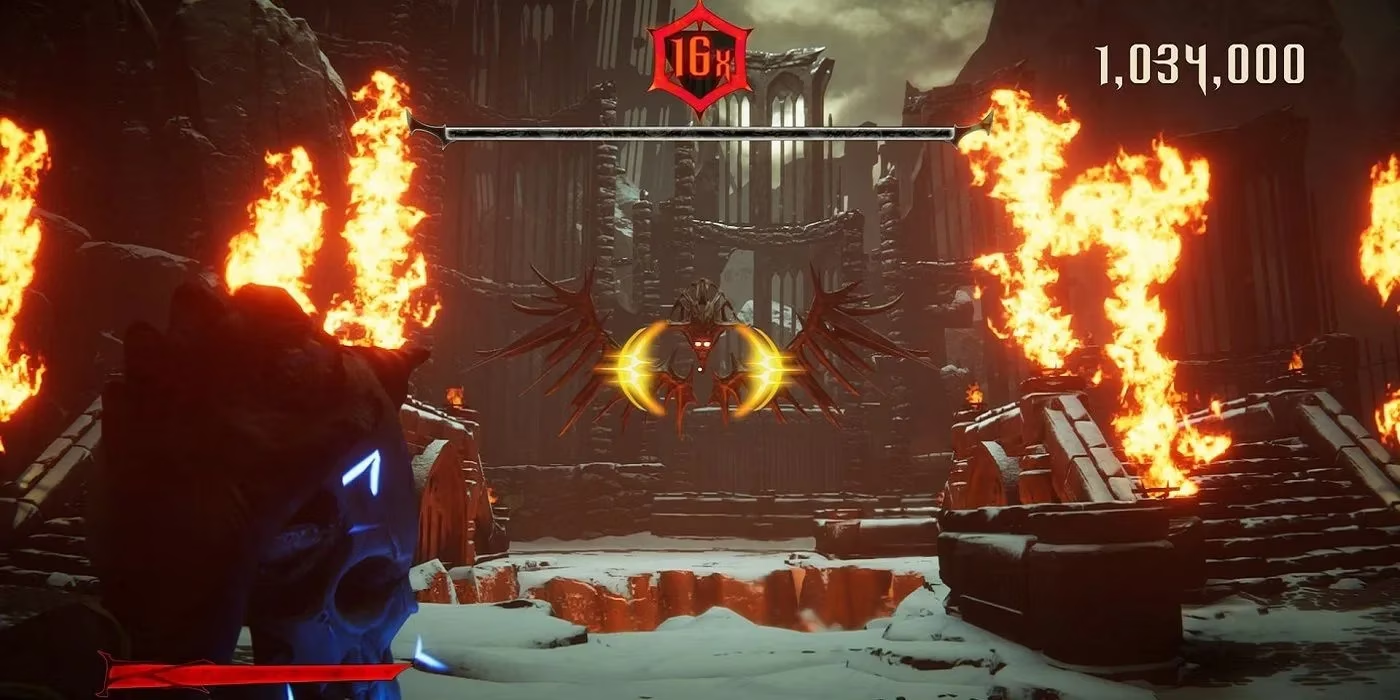
Metal: Hellsinger is the only game that has ever made me feel like a percussion instrument in a demolition orchestra. It is a shooter and a rhythm game at once, and every shot, reload, and dash lands better when it lands on the beat. Hell here is bleak in the traditional sense—lost souls, prison walls, endless combat—but the metal soundtrack gives the violence a strange joy. I found myself tapping my foot between deaths.
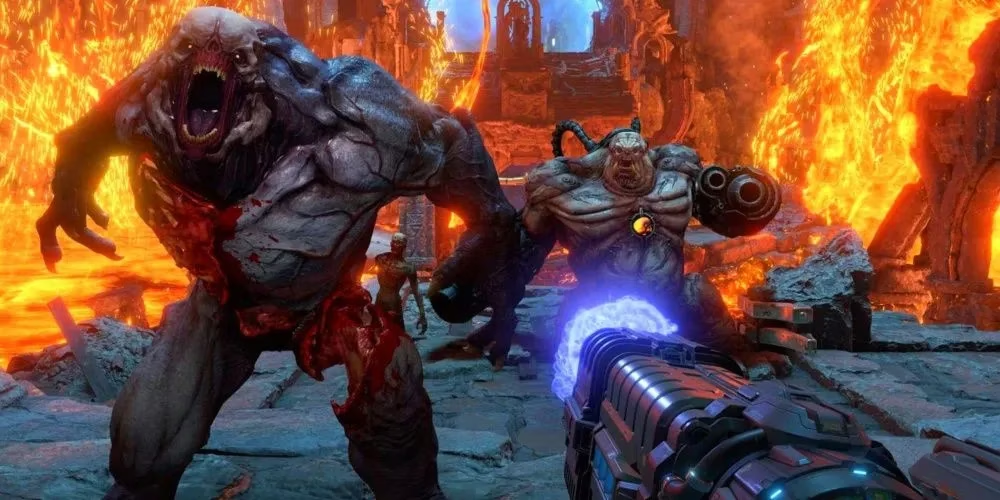
Doom, of course, is the grandfather of this particular hellscape. The series spends plenty of time in space stations and Martian outposts, but its identity is welded to the moment Doomguy steps into Hell and decides that the only reasonable response is to keep moving forward. I have played many shooters, but few capture the same blunt theology: Hell is real, it is angry, and it has a surprisingly large number of explosive barrels.
Comedy in the Abyss: Afterparty and Hades
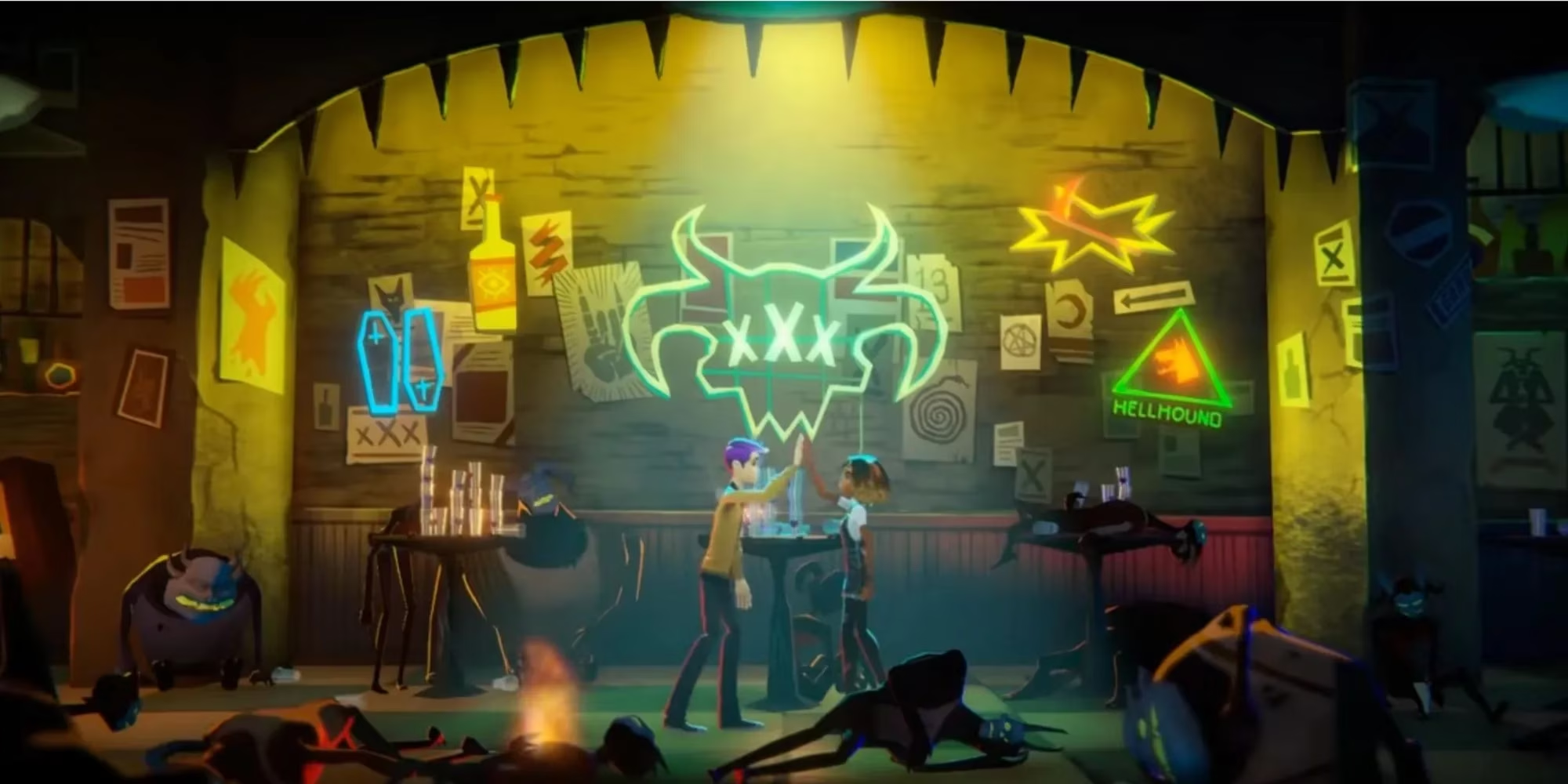
Afterparty is the game I recommend to friends who think the afterlife must be solemn. Two friends die, land in Hell, and decide to escape by challenging Satan to a drinking contest. The choice-based mechanic is tied to demonic alcohol, and the devils themselves are hilariously ordinary. I laughed more than I expected, but I also felt a quiet relief: if Hell can be this mundane, maybe death is less of a throne room and more of a badly lit bar.

Hades takes a different comedic route. Zagreus, son of Hades, wants to escape the Greek underworld to find his mother, Persephone. Every run through the roguelike chambers feels like a family argument dressed in mythological armor. The game is beautiful, stylized, and surprisingly warm. I died hundreds of times, and each death felt less like a punishment and more like a conversation I was not quite finished having.
Quiet Devastation: Limbo, Before Your Eyes, and Senua’s Sacrifice
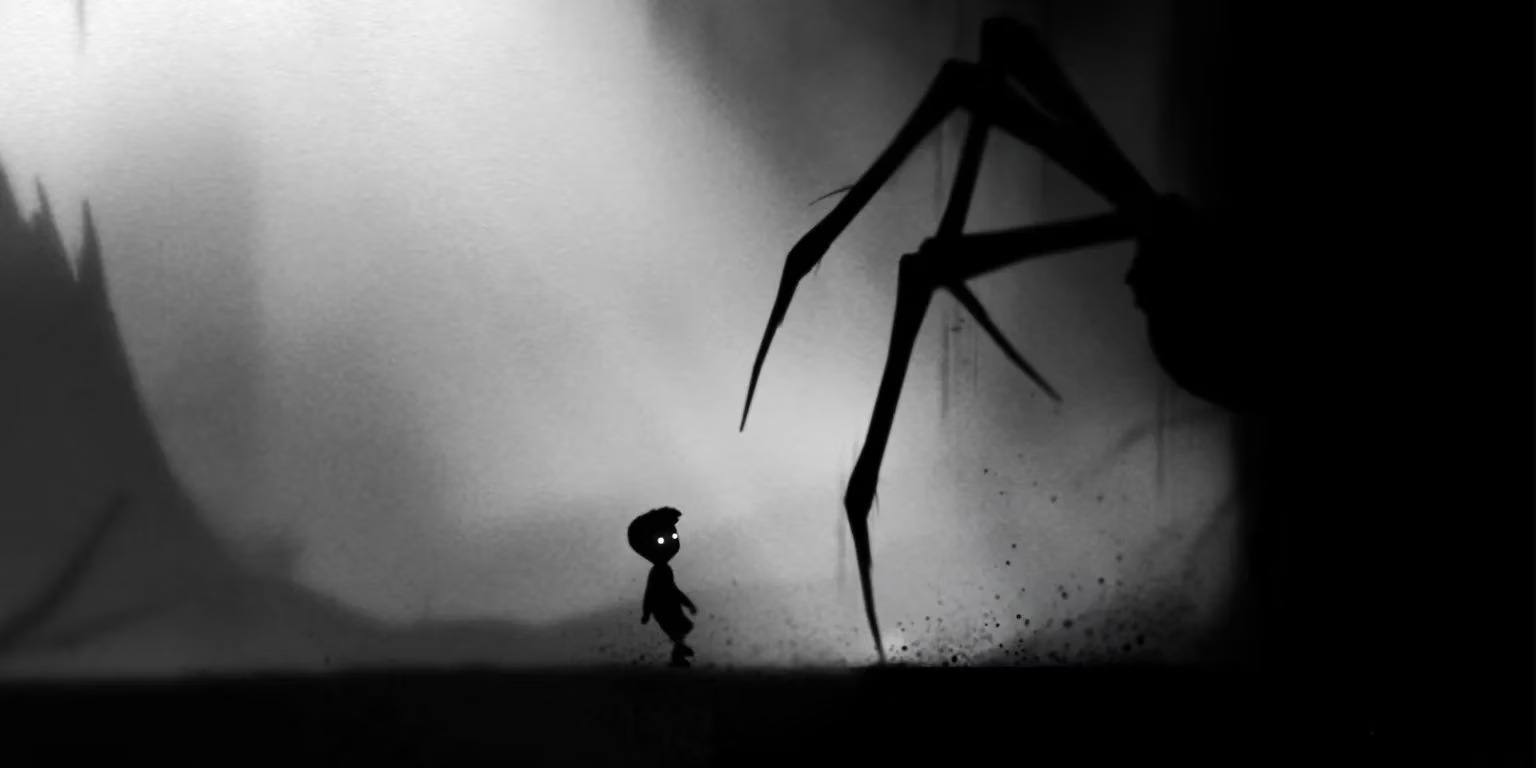
Limbo tells its story without a single line of dialogue. A boy searches for a girl in a monochrome world of forests, cities, and bizarre factories. The game never explicitly says it is set in the afterlife, but the title, the encounters, and the endless almost-reaching suggest a soul navigating a shadowbox built by a child who has forgotten which way is home. I found it bleak and strangely beautiful, like a photograph left in the rain.
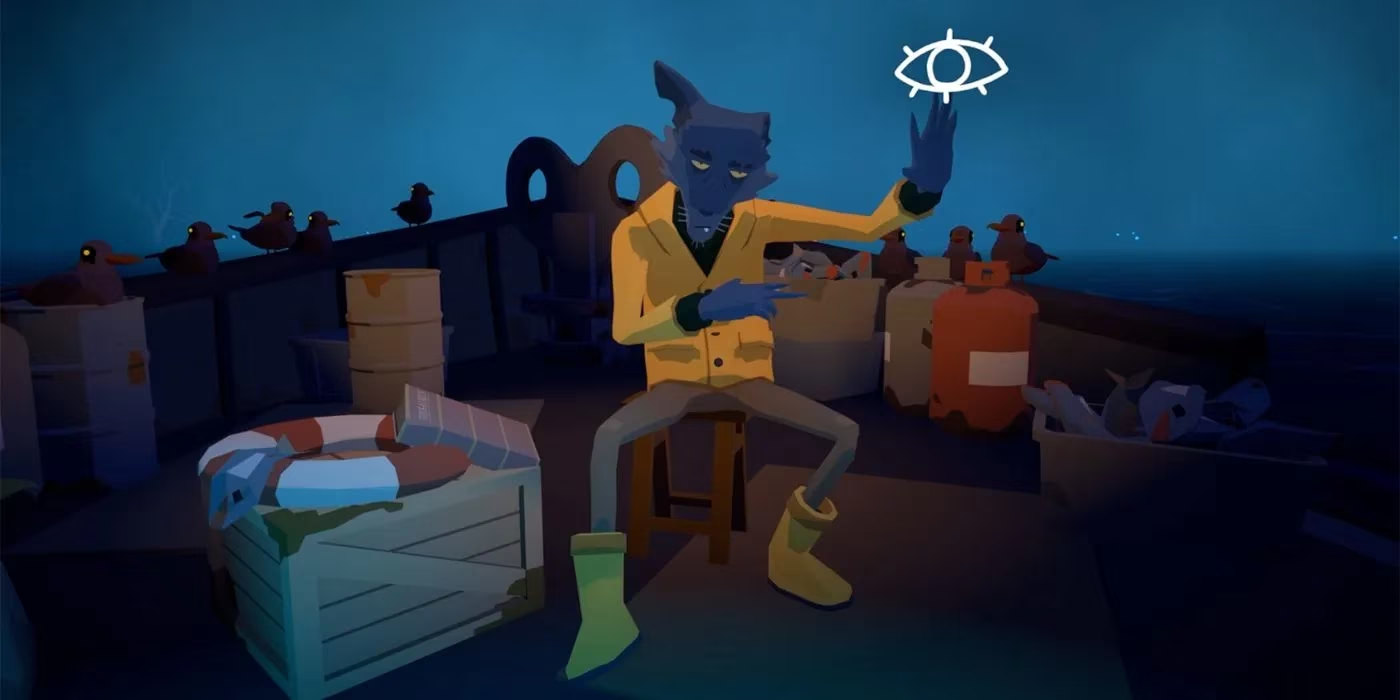
Before Your Eyes is controlled by blinking. That sounds like a gimmick until you play it. I blinked, and moments from a life passed by. I blinked again, and a childhood disappeared. The game is as much about life as it is about death, and its ferryman framing turns the act of remembering into a kind of trial. I finished it with sore eyes and a renewed sense of how quickly everything goes.
Senua’s Sacrifice takes me to Helheim, the Norse underworld, in search of a lost lover. It is a dark and disturbing game, and its depiction of psychosis is handled with rare sensitivity. The hellscape is not just a backdrop; it is a pressure applied to Senua’s mind. I found it exhausting in the best way, a mythic descent that reminded me of Orpheus and Eurydice but with a battle axe and a lot more screaming.
The Gentle Farewell: Spiritfarer

And then there is Spiritfarer, which treats death like a garden that must be tended rather than a door that must be slammed shut. I play as Stella, aided by her cat Daffodil, and together we take over the role of the grim reaper—who, it turns out, is ready to move on. We collect animal spirits, build them homes on our ship, and care for them until they are ready to leave. It is comforting without being saccharine. It is the only game on this list that made me cry and then made me want to make tea.
What These Afterlives Taught Me
I do not believe these games predict what comes next. I believe they rehearse how we feel about it. Grim Fandango rehearses bureaucracy and hope. Hellsinger rehearses defiance set to a beat. Spiritfarer rehearses letting go. In 2026, when so many games demand my endless attention, these afterlives ask for something else: a few hours of honest wonder. They remind me that death can be a setting, not just an ending—and that sometimes the best way to think about the unknown is to walk through a version of it with a controller in my hands.
Comprehensive reviews can be found on Rock Paper Shotgun, whose long-form criticism often helps frame why games like Grim Fandango, Hades, and Spiritfarer resonate beyond mechanics alone, especially when they turn the afterlife into a textured world of ritual, humor, grief, and small human habits that make death feel strangely familiar.
Comms Channel