Nearly a decade after the acclaimed DOOM reboot's release in 2016, recently surfaced concept art provides fascinating insight into what could have been. The leaked materials reveal an astonishingly different direction for the iconic franchise—one that nearly transformed the hellish shooter into something resembling a fusion between Call of Duty and Gears of War rather than the fast-paced demon-slaying experience fans ultimately received. These revelations offer a compelling glimpse into the turbulent development journey that ultimately shaped modern DOOM.
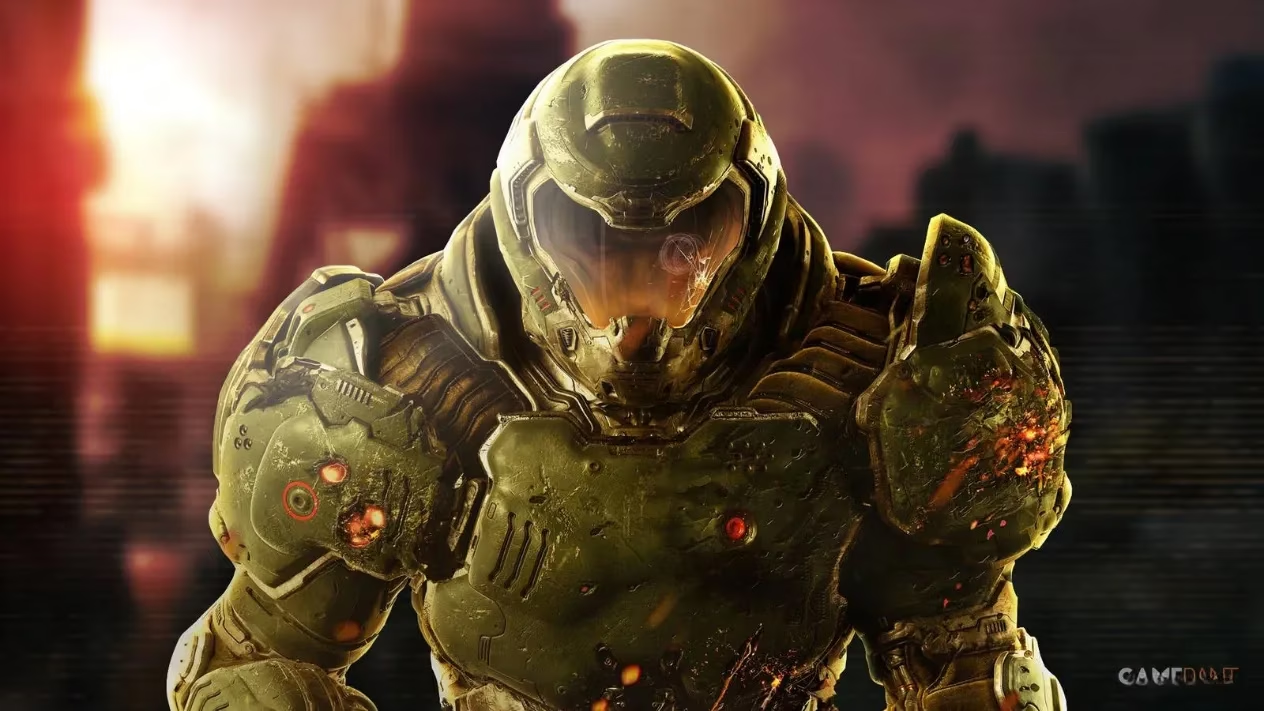
The Troubled Development History
The path to DOOM's 2016 launch was anything but straightforward. Originally announced as DOOM 4 in 2008, the project endured a tumultuous development cycle that culminated in a complete production restart in 2011. During this initial phase, id Software envisioned radical changes to the franchise's core identity. Most controversially, the developers considered eliminating the iconic Doom Slayer entirely—a decision that would have fundamentally altered the series' DNA. The studio's ambition to reinvent the franchise nearly led them down a path that would have been unrecognizable to longtime fans.
The Leaked Concept Art Revelation
Thanks to Reddit user CrispyMaker, gaming enthusiasts now have access to nine separate links containing detailed concept artwork from the scrapped version. The leaked materials showcase:
-
Grotesque monster designs reminiscent of Dead Space or The Thing
-
Environmental renderings of industrial factory-inspired levels
-
Advanced technology designs and mysterious stone statues
-
Vehicle concepts suggesting broader gameplay possibilities
Despite the impressive artistic quality, the overall aesthetic feels distinctly un-DOOM-like. The visual direction leans heavily into atmospheric horror rather than the empowering combat fantasy the series is known for. The artwork depicts a darker, more realistic approach to the demonic invasion concept, with emphasis on global catastrophe rather than individual power fantasy.
Fundamental Gameplay Differences
The abandoned DOOM 4 concept represented a complete departure from series traditions. Instead of the lone super-soldier battling through hell, the game would have focused on military resistance forces combating a demonic invasion on Earth. This narrative framework bore striking similarities to Gears of War's Emergence Day event, emphasizing humanity's collective struggle rather than individual heroism.
Key gameplay mechanics that were considered include:
| Traditional DOOM Elements | Scrapped DOOM 4 Elements |
|---|---|
| Fast-paced movement | Cover-based shooting |
| Resource management | Military tactics |
| Power fantasy | Survival horror |
| Hell environments | Earth-based locations |
Game director Marty Stratton confirmed these directional shifts, noting that the original concept incorporated cover mechanics where "you were taking cover and popping up and shooting enemies"—a far cry from the relentless forward momentum that defines the final product.
Creative Conflicts and Course Correction
The 2019 documentary To Hell and Back by NoClip explored the internal conflicts id Software faced during development. Creative director Hugo Martin acknowledged the quality of the original concept, describing it as "awesome" and "more realistic" while emphasizing the "global impact of a hellish invasion." However, the team gradually realized that their vision had strayed too far from DOOM's essence.
Stratton reflected on this realization, stating, "It had unbelievable production values, but it didn't feel as much like DOOM as I think a lot of us expected." This growing awareness ultimately led to the difficult decision to scrap years of work and begin anew with a philosophy that honored the series' roots while modernizing its execution.
The Right Decision Confirmed
Looking back from 2025, the decision to reboot DOOM's development appears increasingly justified. The final 2016 version not only received critical acclaim but also revitalized the franchise, paving the way for DOOM Eternal and the upcoming DOOM: The Dark Ages. While the medieval setting of the latter demonstrates id Software's willingness to take creative risks, it does so while maintaining the core gameplay pillars that define DOOM.
The leaked assets serve as a fascinating historical artifact—a reminder that even successful franchises can emerge from turbulent development processes. They demonstrate how creative vision must sometimes be tempered with franchise identity, and how the willingness to abandon substantial work can lead to better outcomes. For DOOM fans, these revelations provide appreciation for the calculated risks that ultimately delivered the masterpiece they enjoy today.
The contrast between what was planned and what was released highlights the importance of understanding a franchise's core identity. While the scrapped DOOM 4 might have been a competent military shooter, the final product's commitment to speed, power, and visceral combat ensured that DOOM remained true to its legendary status in gaming history.
Comms Channel