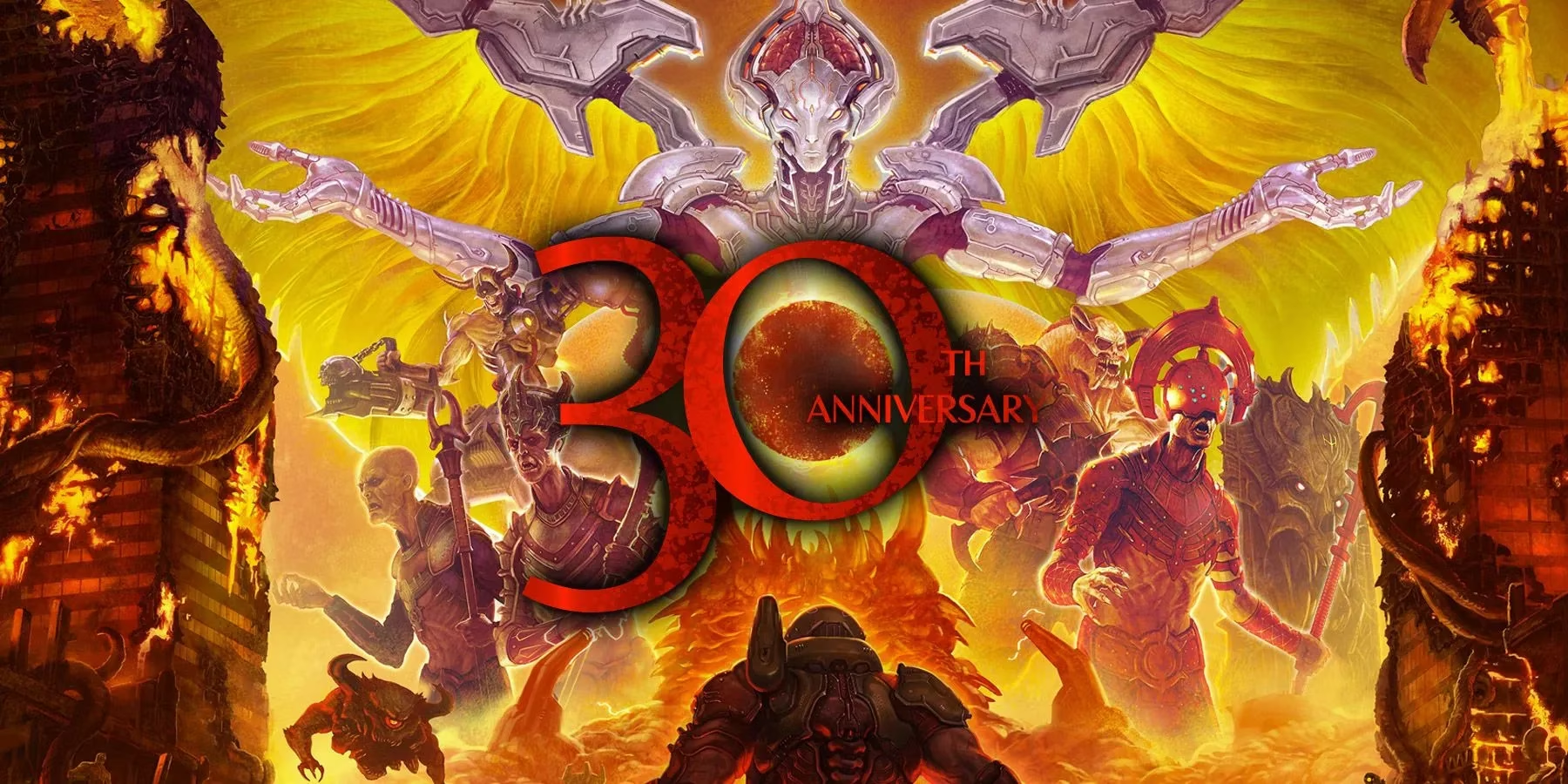
More than three decades after Id Software unleashed Doom on December 10, 1993, the granddaddy of arena shooters is still very much a force to be reckoned with. In an industry that often treats last year's hits as old news, the original Doom remains a rare constant — a technical marvel, a shareware phenomenon, and the blueprint for the modern first-person shooter. As 2026 rolls on, its DNA is still all over the games players boot up every day, from big-budget reboots to scrappy indie retro shooters. The proof is in the pudding: Doom did not just popularize a genre; it practically built the house that FPS games live in today.
From Wolfenstein 3D to a Genre-Defining Leap
Id Software had already made waves in 1992 with Wolfenstein 3D, widely considered the pioneer of the first-person shooter genre. But just 18 months later, the studio dropped Doom, and the landscape changed overnight. At a time when video games had only been widely available for a little over two decades, Doom stood out as a technical tour de force. Incredibly detailed enemy sprites, fluid weapon reload and shooting animations, and genuinely revolutionary 3D technology put it well ahead of its time. Critics and players alike were floored. It was lightning in a bottle.
What really supercharged the game's reach, though, was shareware distribution. Fans could copy Doom and share it with friends, letting everyone play the first episode for free. That move turned a brilliant PC game into a cultural phenomenon across Western gaming. It was a masterclass in word-of-mouth marketing before the term even became buzzworthy. Suddenly, everyone wanted a piece of the action.
The Birth of the Doom Clone — and the FPS
It did not take long for copycats to emerge, borrowing Doom's general gameplay formula and 3D first-person design. The best of these so-called Doom clones were not mere carbon copies; they added unique features and tweaked the formula to suit new contexts and narratives. Over time, these clones simply became known as first-person shooters. Just like that, an entire genre was born. The industry has been chasing that high ever since.
The Formula That Refuses to Die
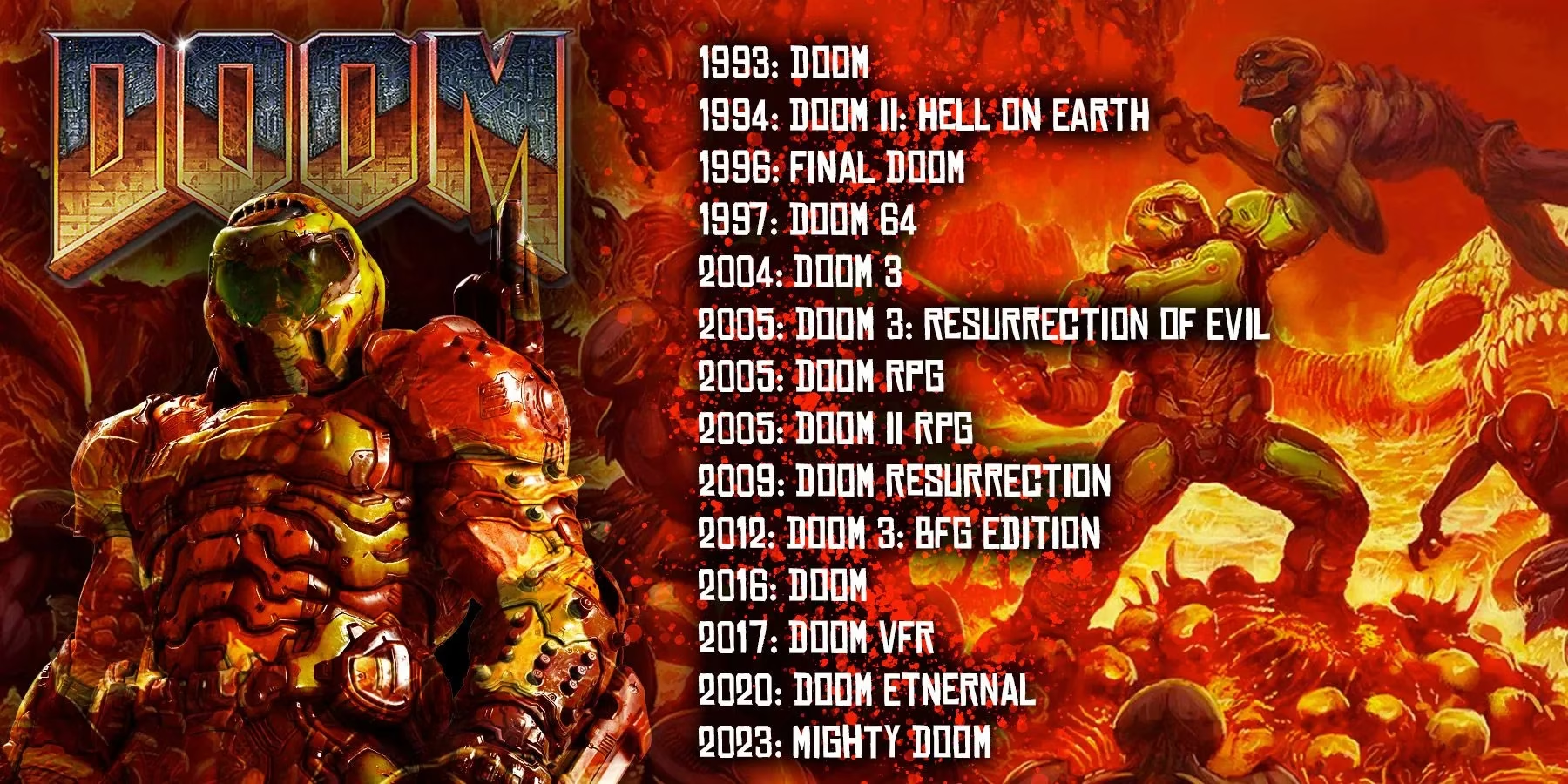
Despite being more than 30 years old, Doom's arena shooting gameplay formula can still be seen in a ton of video games today, albeit with plenty of tweaks and changes. The biggest and best example is, obviously, the rebooted Doom series, beginning with Doom (2016) and continuing with Doom Eternal in 2020. While color-coded key cards may not be present, those games' gameplay loops are essentially modernized versions of the original formula: levels throw players into a series of enemy encounters, each one forcing them to eliminate every enemy inside an arena before they can proceed. It is the same dance, just with a heavier metal soundtrack and more verticality.
It is not just the Doom reboot carrying the torch. MachineGames' Wolfenstein series is also clearly inspired by the original Doom formula, locking players inside arenas and throwing waves of enemies at them. More recently, Ascendant Studios' Immortals of Aveum put a magical fantasy spin on Doom's 30-year-old arena shooting gameplay. The DNA is unmistakable once you know what to look for.
Here is a quick breakdown of how the 1993 classic's core ideas still show up in modern shooters:
| Doom (1993) Element | Modern FPS Equivalent |
|---|---|
| Arena lockdowns | Wave-based combat in Doom Eternal and Wolfenstein |
| Fast, strafe-heavy movement | Movement shooters and retro-inspired boomer shooters |
| Weapon variety and quick swapping | Modern loadout systems and ability wheels |
| Secret areas and key hunts | Exploration loops in immersive sims and FPS hybrids |
| Shareware episode structure | Free demos, early access, and episodic releases |
Why Doom Still Matters in 2026
In 2026, the first-person shooter market is crowded, to put it mildly. Live-service giants, tactical shooters, and extraction games all fight for attention. Yet the Doom blueprint remains a reliable fallback for developers who want pure, unadulterated action. The recent wave of retro shooters — affectionately dubbed boomer shooters by the community — is essentially a love letter to Id's 1993 masterpiece. These games embrace fast movement, big guns, and arenas packed with demons or their equivalents. No regenerating health, no cover-based hiding; just you, a shotgun, and a room full of bad guys. It is a formula that refuses to go out of style.
Moreover, Doom's influence is not just mechanical. Its shareware model foreshadowed modern demo culture and episodic content. Its modding community helped pioneer user-generated content long before that became an industry buzzword. And its iconic status turned the Doom Slayer into a household name among PC gamers. Not bad for a game that was once distributed on floppy disks.
So, as the series marches deeper into its fourth decade, it is worth tipping the cap to the original. Doom may be old enough to have a midlife crisis, but its gameplay loop is as sharp as ever. The genre it birthed continues to evolve, but the foundation — fast, frantic, and unapologetically fun — remains unmistakably Doom. In the end, that is the highest compliment a game can receive: you can still see its fingerprints all over the games of today.
Comms Channel