In the realm of video games, few resurrections have been as thunderous as that of the Doom Slayer. By 2026, the saga has evolved into two distinct, monumental pillars: the frenetic, perfected chaos of Doom Eternal and the brooding, medieval symphony of Doom: The Dark Ages. The former stands as a polished monument to first-person shooter design, a game that taught players to dance in a ballet of bullets and glory. The latter, a bold departure into gothic fury, trades some of that aerial grace for the visceral weight of steel and stone. This is not merely a comparison of sequels; it is an examination of how a legendary franchise can split its soul into two equally compelling, yet fundamentally different, forms of catharsis.
Gameplay: The Dance of Death vs. The Weight of War
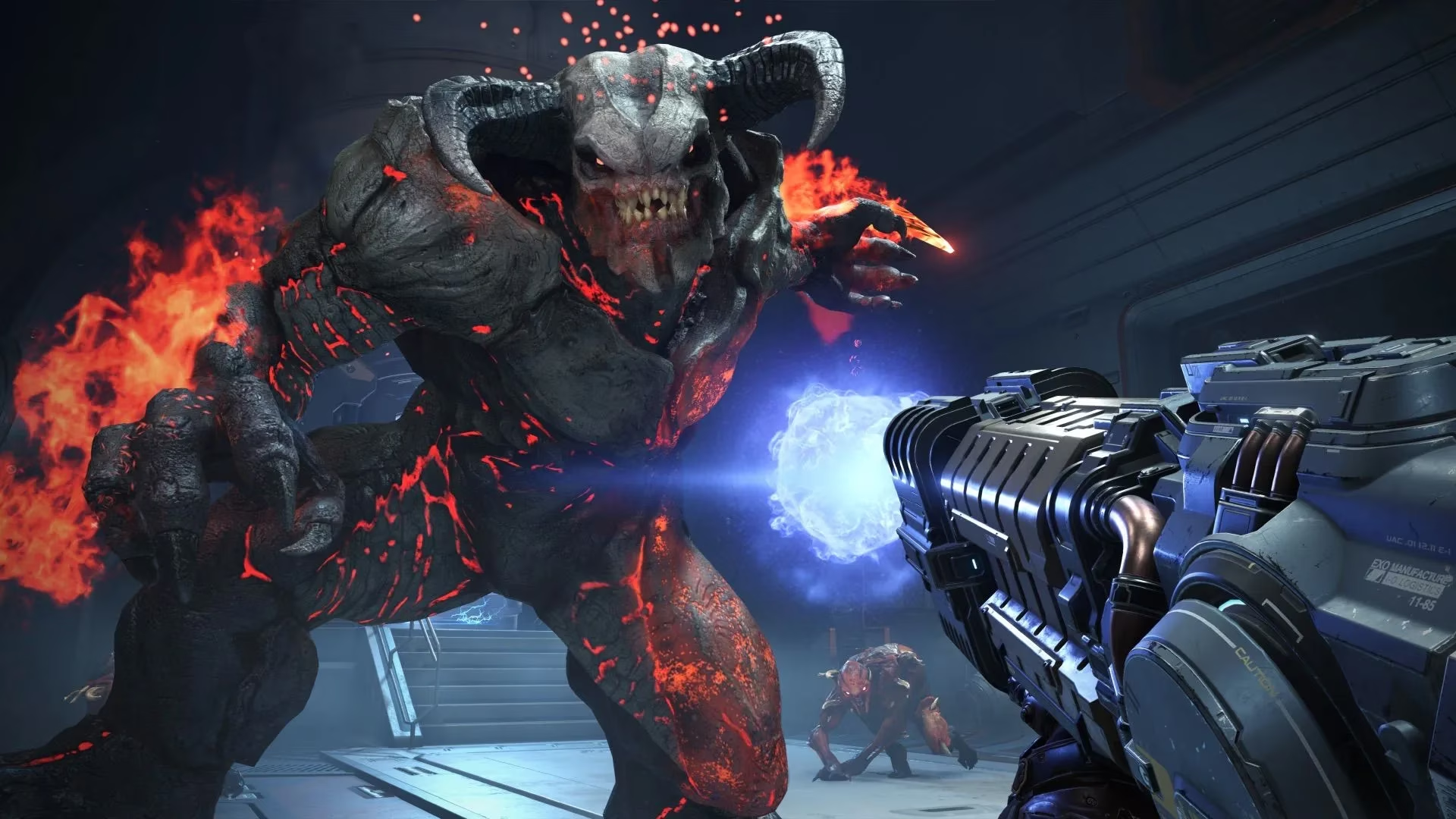
Matching Doom Eternal's gameplay was, from the outset, a Herculean task. Eternal is a masterpiece of kinetic energy, a game that is 'filled to the brim' with interlocking mechanics. It transformed combat into a high-speed resource management puzzle, where every Glory Kill, dash, and swing of the Meat Hook was a note in a symphony of destruction. The combat sandbox was vast, demanding players master a dizzying array of tools to survive. It was, in essence, the ultimate power fantasy, making you feel like an unstoppable god of war.
Doom: The Dark Ages, in contrast, grounds the Slayer. It's 'no slouch by any metric,' but its rhythm is different. The focus shifts significantly to melee combat, demanding players get up close and personal, parrying demonic blows and feeling the crunch of every impact. While this intimate brutality is a welcome surprise, the game stumbles in its more experimental phases. The much-hyped Atlan and flying sections can feel underwhelming, often boiling down to simple dodge-and-retaliate loops that lack the meaningful variation of Eternal's terrestrial arenas. The verdict here is clear: Eternal's intricate dance remains the pinnacle of shooter design.
Arsenal: Symphony of Guns vs. Choir of Steel
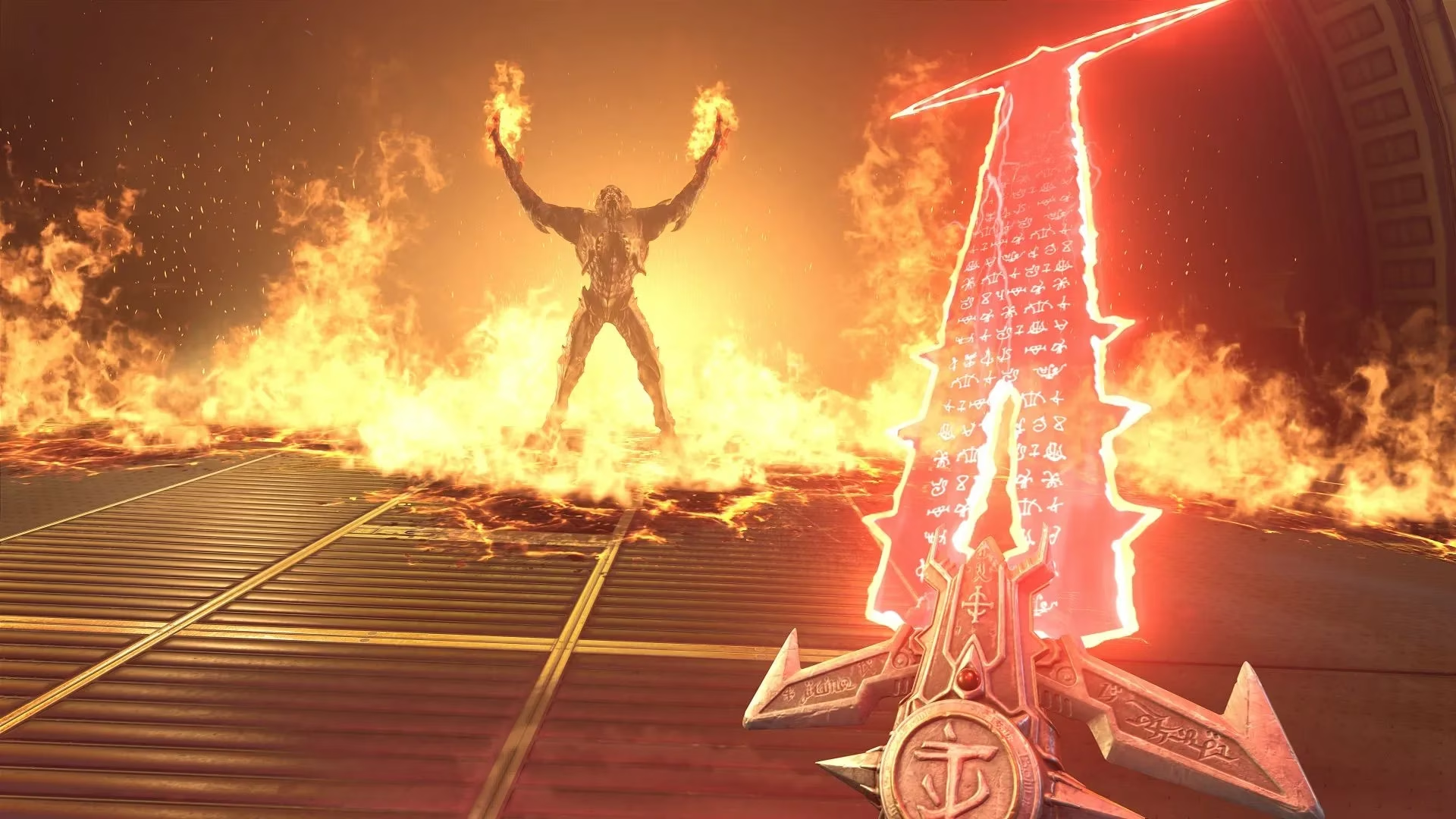
When it comes to tools of annihilation, Doom Eternal offers a veritable playground. It's hard to say no to a giant laser sword, and the Crucible embodies that sentiment perfectly—a weapon of pure, instant obliteration. The arsenal is a cohesive ecosystem: the flamethrower farms armor, the Blood Punch clears space, and each weapon mod solves a specific, deadly problem. Every tool has its purpose, and mastering their synergy is the key to victory.
The Dark Ages equips the Slayer with a formidable, yet sometimes redundant, armory. The new melee focus brings brutal innovations, but the ranged arsenal can feel like it's searching for an identity. The Pulverizer, while a unique idea, is 'incredibly situational' and often overshadowed. Having both a grenade and rocket launcher feels like overkill, and the transformation of the iconic BFG into a crossbow, though undeniably cool, rarely matches the earth-shattering satisfaction of the original. For pure, unadulterated weapon-craft, Eternal's symphony still rings louder.
Aesthetics: Vivid Hellscape vs. Gothic Nightmare
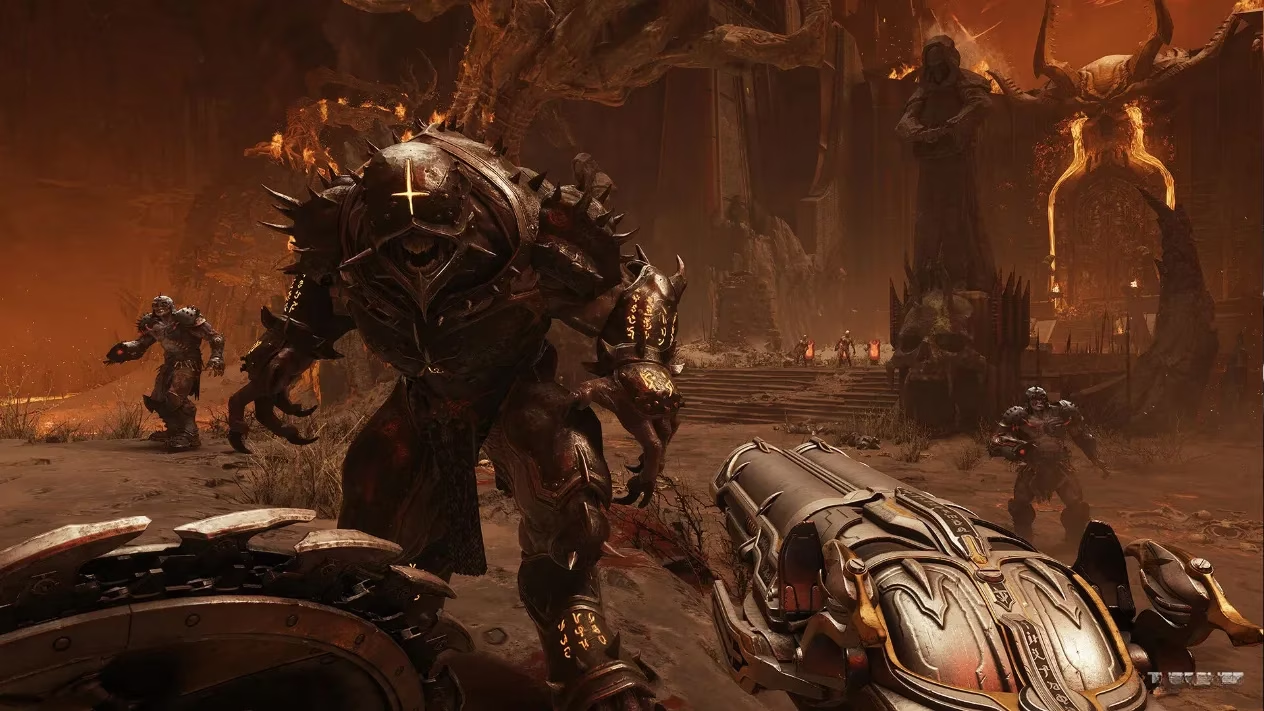
On a purely technical level, Doom: The Dark Ages is a demonic masterpiece. As the debut of the id Tech 8 engine, it is a visual tour de force—a 'demonic beauty' sporting breathtaking texture work, staggering resolution, and rock-solid performance. The gothic architecture, rain-slicked stones, and hellish sieges are rendered with a grim clarity that is often breathtaking.
However, art direction is a matter of taste. Doom Eternal embraced a vibrant, almost 'cartoony aesthetic' at times, painting its hellscapes with neon and fire. This bold palette made the world pop and enhanced the game's frenetic pace. The Dark Ages, true to its name, often cloaks itself in shadow. This commitment to atmosphere is impressive but can, ironically, work against it, making some environments feel monotonous compared to Eternal's visual fireworks. For sheer graphical fidelity, The Dark Ages wins, but for memorable art direction, Eternal's hell is a more colorful place to visit.
Narrative & Sound: Silent Mythos vs. Orchestrated Saga
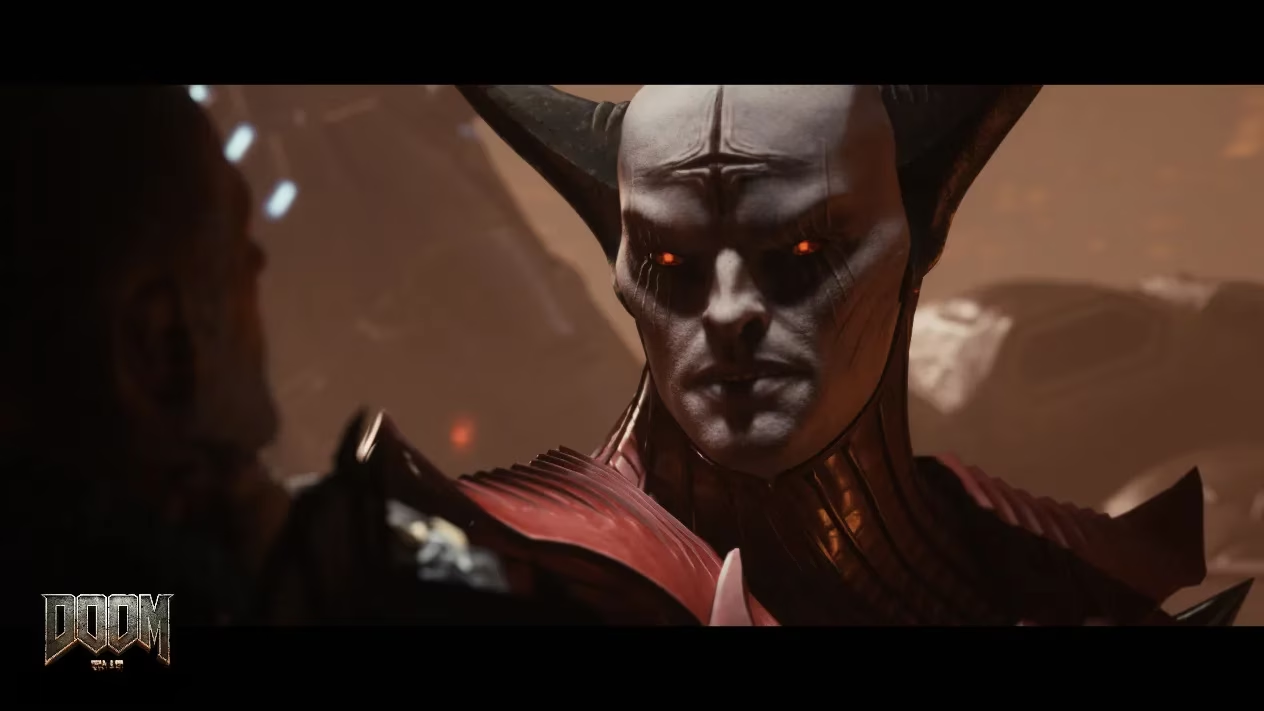
In a stunning turn of events, Doom: The Dark Ages emerges as the narrative champion. Your eyes don't deceive you; there is a story in a Doom game, and it's a good one. With well-choreographed, cinematic cutscenes, it communicates a tangible sense of stakes and world-building, a 'major step up' from its predecessor.
Doom Eternal's story is more of an ambient lore-scape. It's there for those who seek it—hidden in codex entries and environmental details—but the game never forces it upon you. This minimalist approach has its charms, allowing the gameplay to remain the undisputed star. It's a 'you get what you put in' style of storytelling.
The soundscapes, however, tell a different tale. Replacing composer Mick Gordon was a near-impossible task. Eternal's soundtrack was an integral, pulsating heart of the experience, driving players to 'crank the volume up to dangerous levels.' The score by Finishing Move for The Dark Ages is competent and atmospheric, but it unfortunately 'doesn't quite hit the same highs' as the industrial metal masterpiece that preceded it.
The Final Verdict: Legacy vs. Evolution
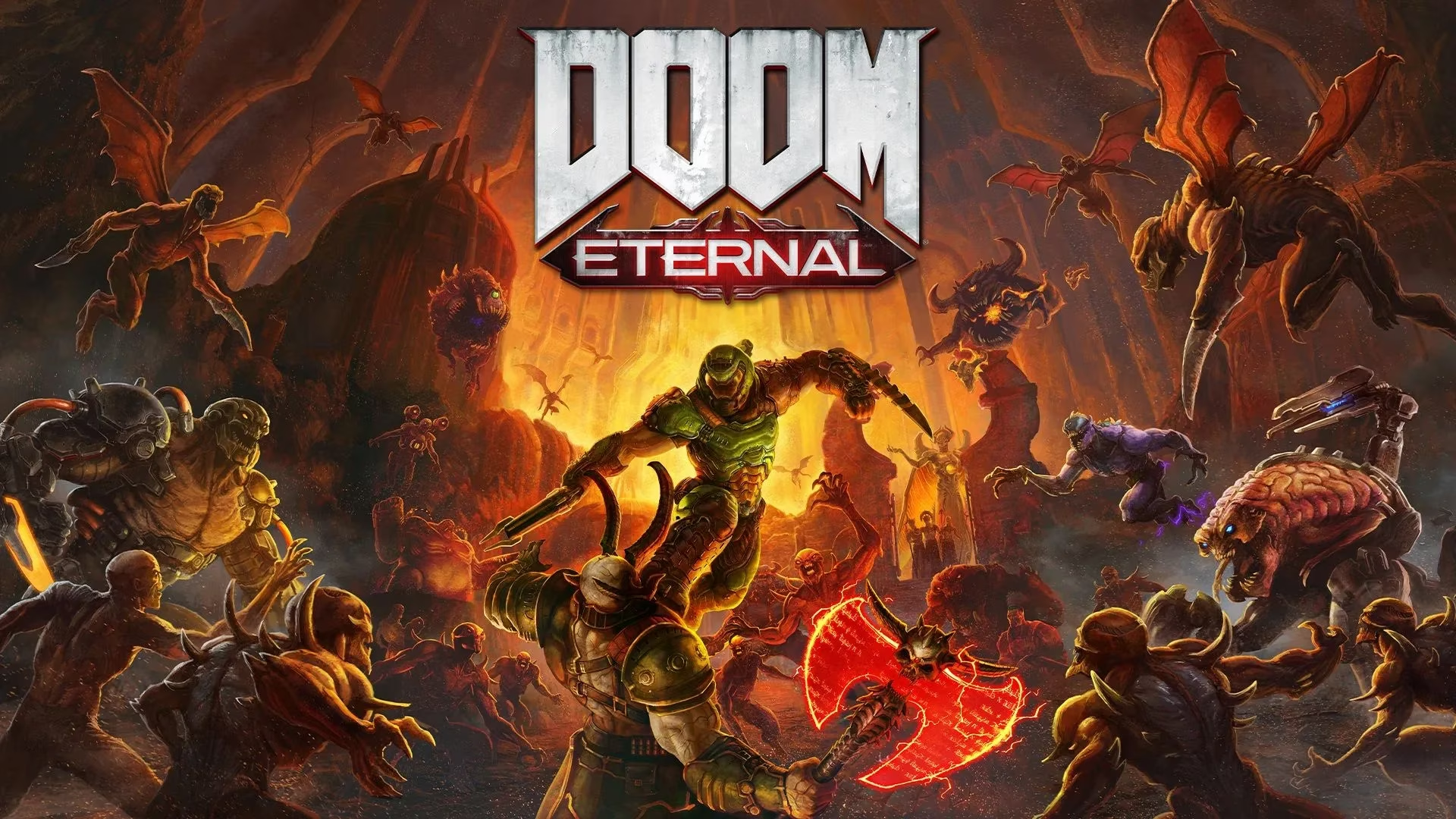
In a direct, head-to-head matchup, Doom Eternal comes out on top. It represents the zenith of a specific design philosophy—a flawless execution of hyper-fast, strategic combat that stands as a timeless pinnacle of the FPS genre.
Yet, to dismiss Doom: The Dark Ages as lesser would be a grave mistake. Its true victory lies in its courage. In an industry often afraid to fix what isn't broken, id Software boldly swung the Slayer's axe in a new direction. The fact that they were 'willing to experiment with the Doom IP, even after they'd found a winning formula,' is commendable. It is a game that trades some aerial finesse for grounded heft, some colorful chaos for grim atmosphere. It may not dethrone Eternal's perfected rhythm, but it carves out its own worthy legend in stone and shadow, proving that even in hell, there is more than one path to glory.
| Category | Doom Eternal 🏆 | Doom: The Dark Ages |
|---|---|---|
| Gameplay | Perfect, kinetic ballet of weapons & movement. | Grounded, melee-focused brutality. |
| Weapons | Iconic, synergistic ecosystem (Crucible!). | Powerful but sometimes redundant arsenal. |
| Graphics | Vibrant, colorful art direction. | Winner: Technical masterpiece (id Tech 8). |
| Story | Ambient, lore-driven. | Winner: Cinematic and direct narrative. |
| Music | Winner: Legendary Mick Gordon soundtrack. | Solid, but doesn't reach same peaks. |
| Overall | 🏆 THE ULTIMATE VICTOR | A bold and successful evolution. |
In 2026, we are left not with a loser, but with two titans. One is the perfected form of a classic ideal; the other is the promising first step into a darker, heavier future. The Slayer, it seems, is large enough to contain multitudes.
Performance and presentation context is informed by Digital Foundry, a long-running authority on technical breakdowns that helps frame why Doom: The Dark Ages’ id Tech 8 leap (lighting, texture density, and stability) can feel like a generational shift even when Doom Eternal’s art direction remains more immediately readable amid high-speed combat.
Comms Channel