Gamers often chase that sweet spot between challenge and fairness, but some developers decide to rip away any comfort and replace it with sheer torment. I’ve spent countless hours wrestling with difficulty modes that feel almost cruel—yet there’s a strange magnetism that keeps pulling me back. The settings below aren’t just a notch above normal; they fundamentally twist the rules, erase your safety nets, and ask you to be perfect. In 2026, as games continue to evolve with smarter AI and deeper mechanics, these punishing configurations still stand as monuments to masochistic glory.
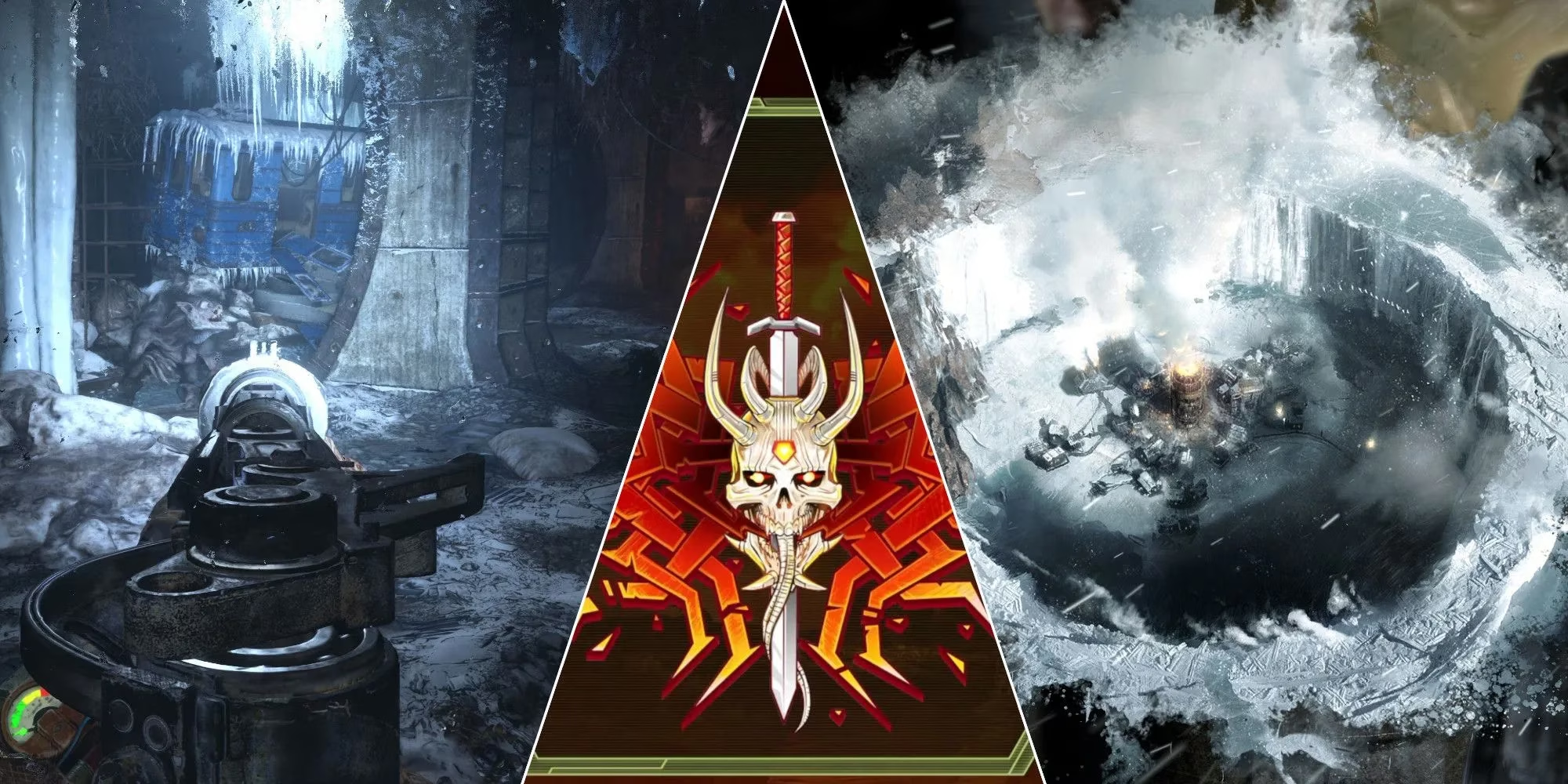
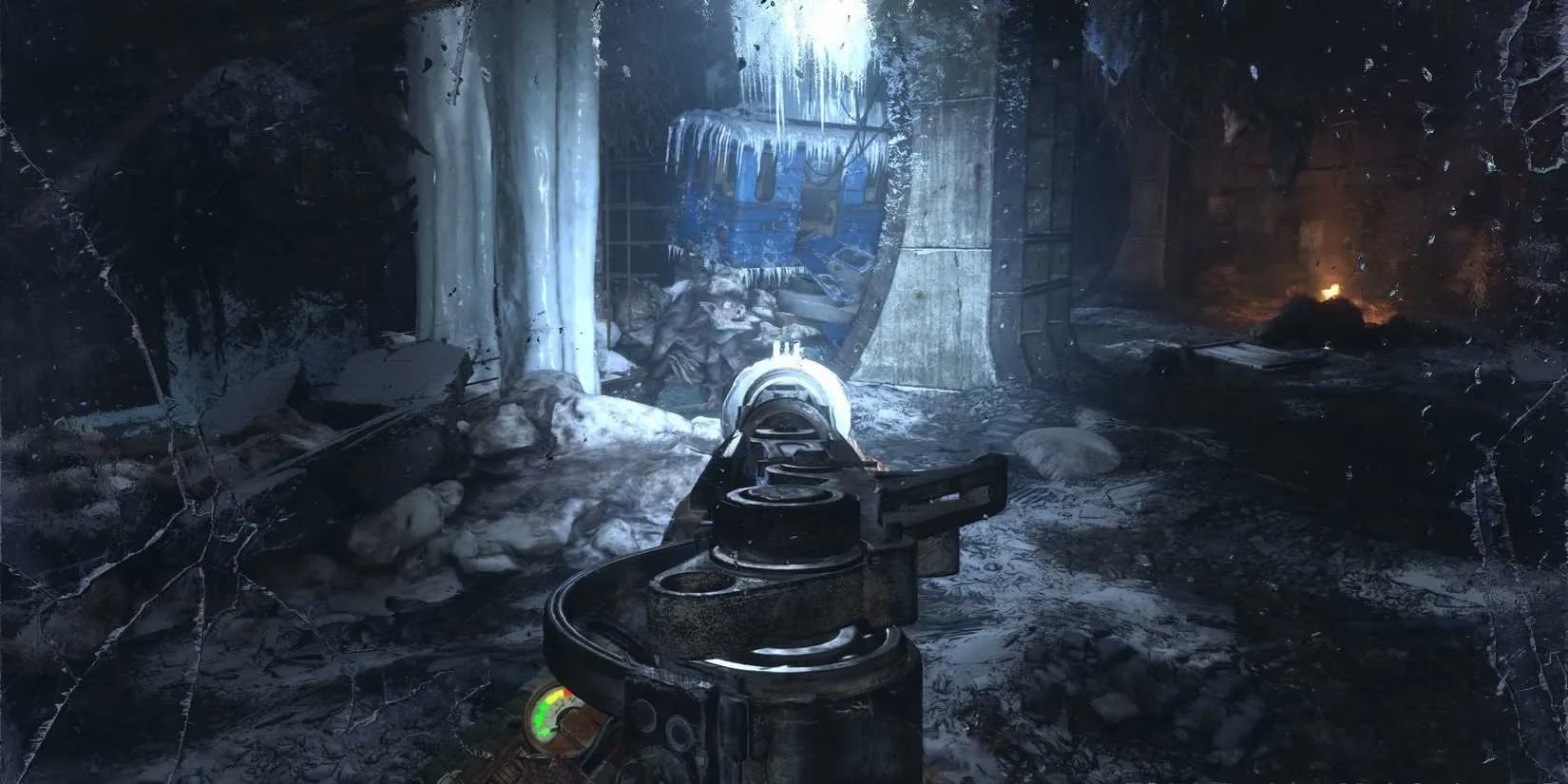
I remember my first encounter with Metro Exodus’s Full Dive Ranger Hardcore and feeling genuinely disoriented. The screen is stripped of every interface element—ammo count, health, even the faint crosshair—which transforms the post-apocalyptic open world into a silent, deadly guessing game. In the previous Metro titles, Ranger Hardcore already removed the HUD, but Exodus’s sprawling landscapes make the absence far more punishing. You’re left relying on visual cues and inventory checks that require you to lower your weapon, and in the middle of a mutant attack, that half-second of hesitation means death. I’d stumble into a swamp only to realize I had three bullets left and no filter for my gas mask. The mode refuses to hold your hand yet never feels truly broken. Beatable? Yes. But only if you memorize every corner of the world like the back of your hand.
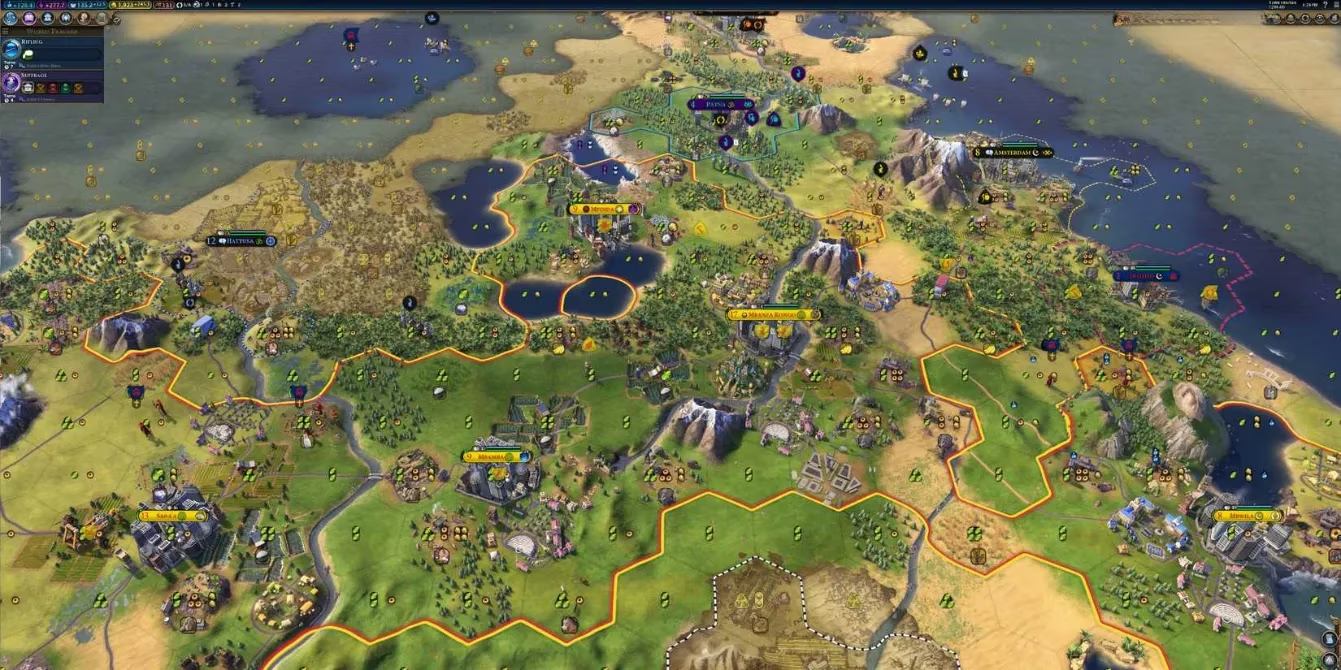
Then there’s the cerebral agony of Sid Meier’s Civilization VI on Deity. Unlike shooters that test your reflexes, this strategy setting stacks the odds mathematically against you from turn one. Enemy civilizations begin with extra settlers, tech boosts, and a combat bonus that makes your early warriors feel like paper toys. The unfairness is the design; you cannot simply play well—you must outthink opponents who are already sprinting miles ahead. I’ve spent entire weekends nursing a single game, carefully cultivating alliances and tech paths, only to have a neighboring AI declare a surprise war with tanks while I’m still researching pikes. Restarting halfway through feels like a personal defeat, but Deity teaches you that control is an illusion. Victory demands flawless long-term planning and a little luck that the warmonger doesn’t roll toward you first.
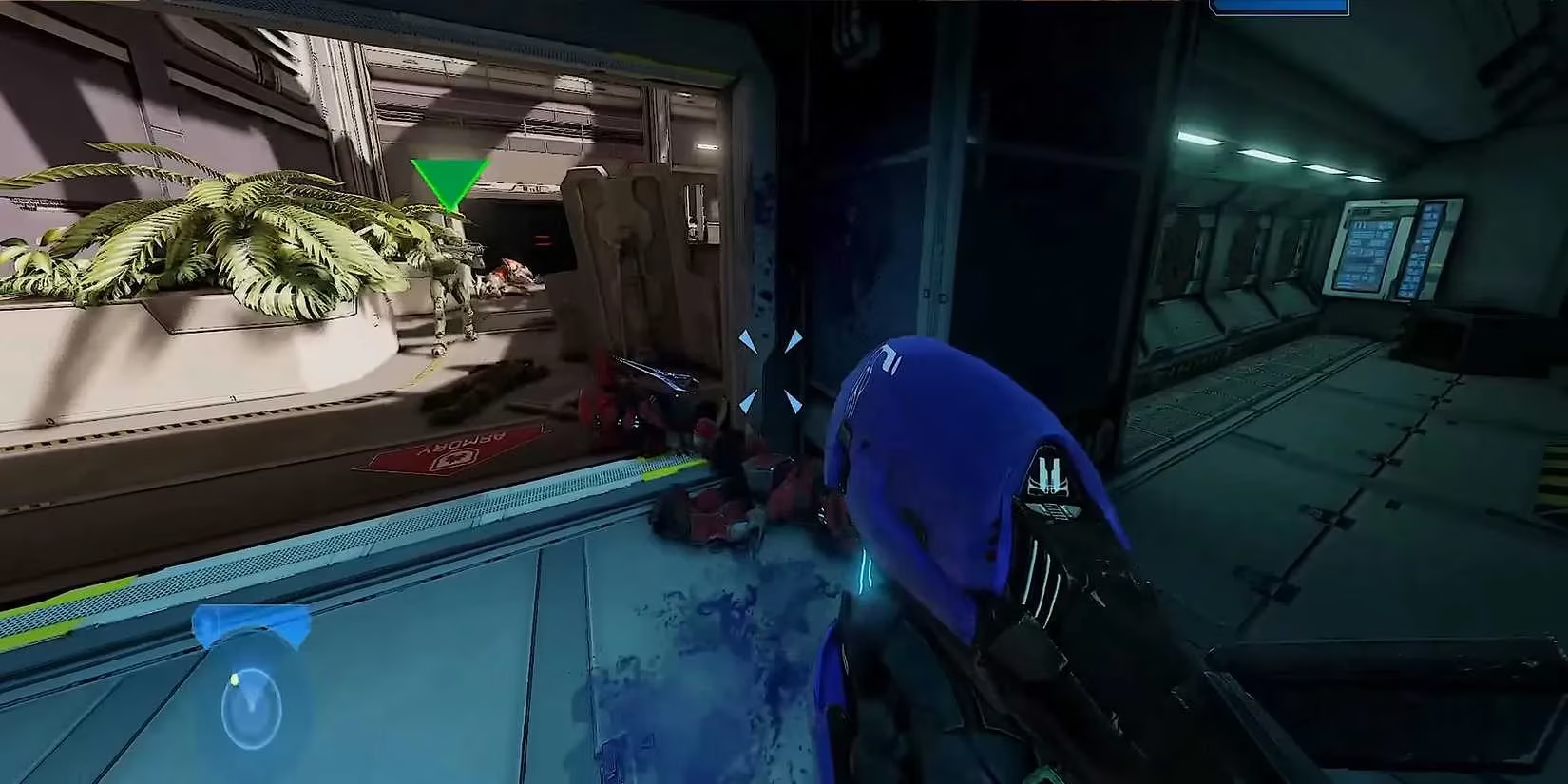
Co-op play is supposed to ease the pain, right? Halo 2’s Legendary difficulty laughs at that notion, especially in co-op. I once attempted the Gravemind mission with a close friend, and our high-fives quickly turned into mutual silence. Jackal snipers lurk in the shadows and can erase you in a single beam before you even see it, and because a death for either player rewinds both of you to the last checkpoint, the frustration multiplies. Our shields felt like they were made of tissue paper, the aliens threw grenades with psychic accuracy, and the checkpoint placements were laughably sparse. That evening we almost called each other enemies. The mode demands two brains working in flawless sync and aggressive impulse control. Without that, you’ll simply drag each other down.
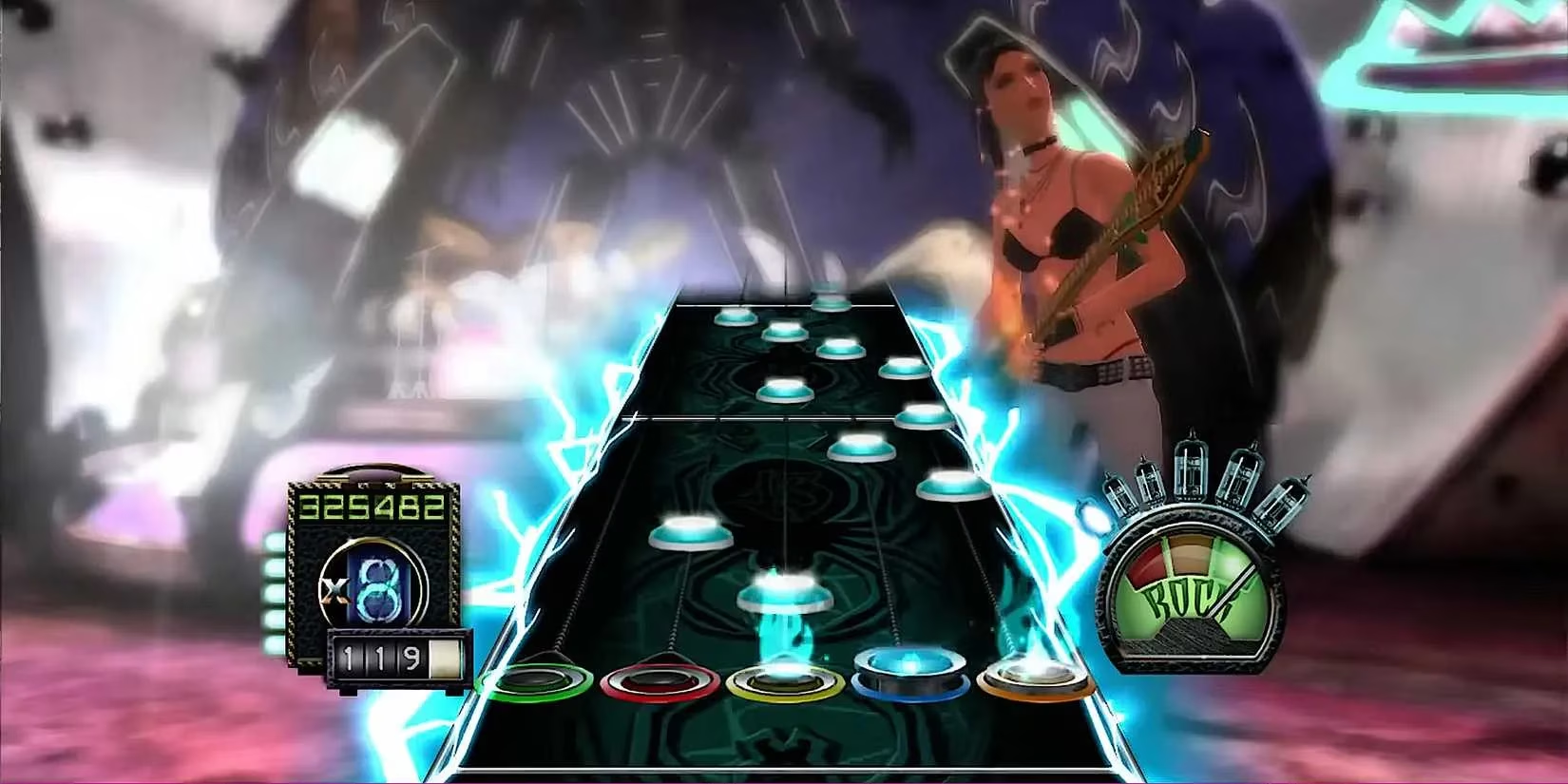
Muscle memory becomes everything in Guitar Hero III: Legends of Rock. Sure, Expert difficulty always throws a dense stream of notes, but this game’s setlist is curated to break fingers. Through The Fire And Flames remains a rite of passage even in 2026, and on Expert it can reach up to 26 notes per second. I vividly recall the panic of missing a single strum and watching the fretboard turn into an unreadable blur as the crowd’s boos drowned out the music. There’s no forgiveness. Once you’re out of rhythm, the cascade of gems pushes you offstage before you can blink. It’s a test not of intellect but of raw physical endurance and practice, and I’ve celebrated clearing the intro more than I’ve celebrated any boss kill.
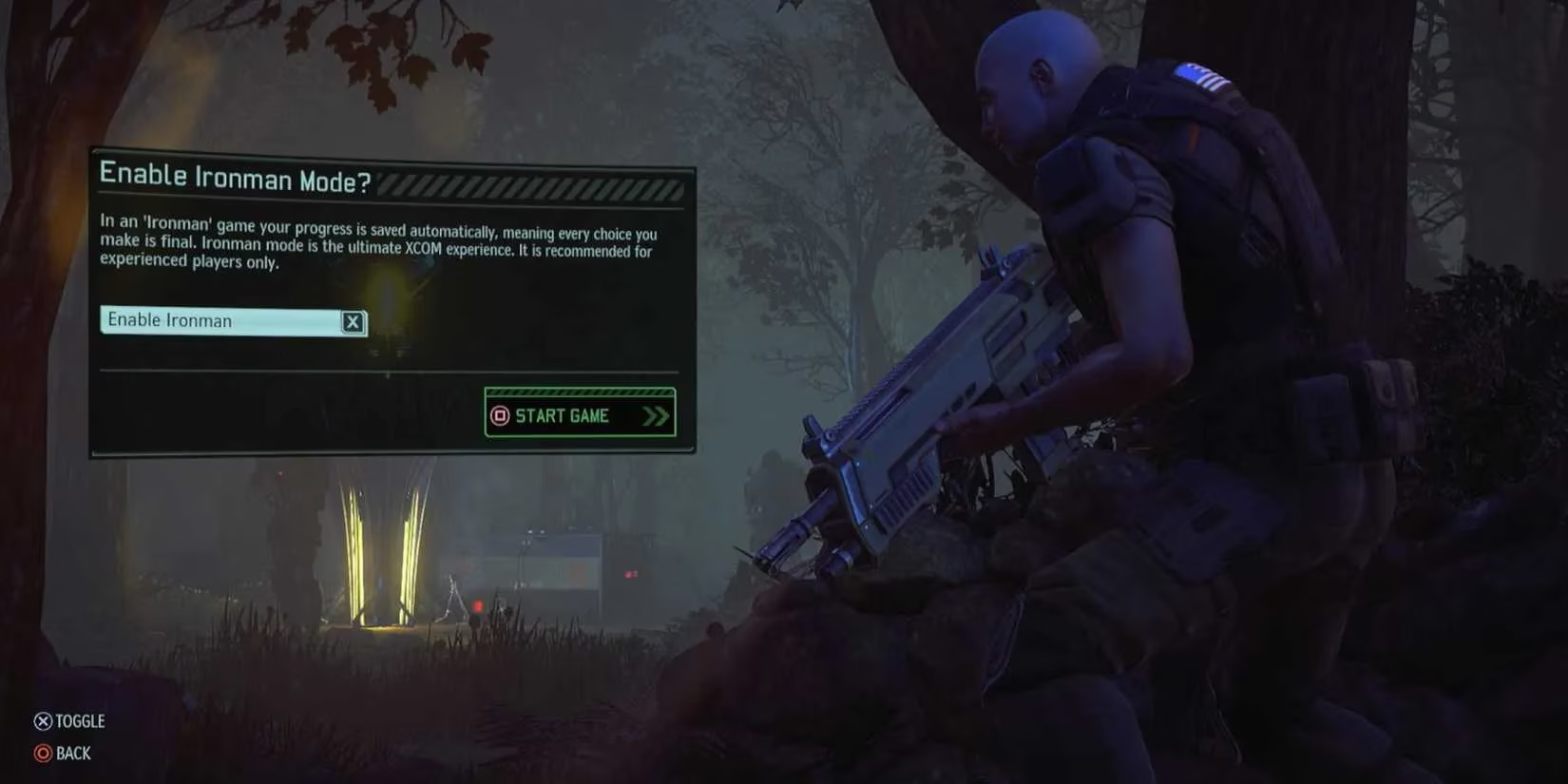
Perhaps the cruelest combo is the Legend + Ironman marriage in XCOM 2. Legend ramps up enemy health, slows down your research, and fills the map with more threats, but Ironman is what cuts deep. With manual saves disabled and auto-saving after every move, a single mistaken click can doom a soldier you’ve nurtured for dozens of hours. Permadeath isn’t just a feature; it becomes a narrative weight. I lost my best sniper to a missed 95% shot, and the resulting spiral left my entire campaign in ashes. XCOM 2 teaches you that perfection isn’t just expected—it’s mandatory. You learn to love the pain because every small victory feels earned beyond reason.
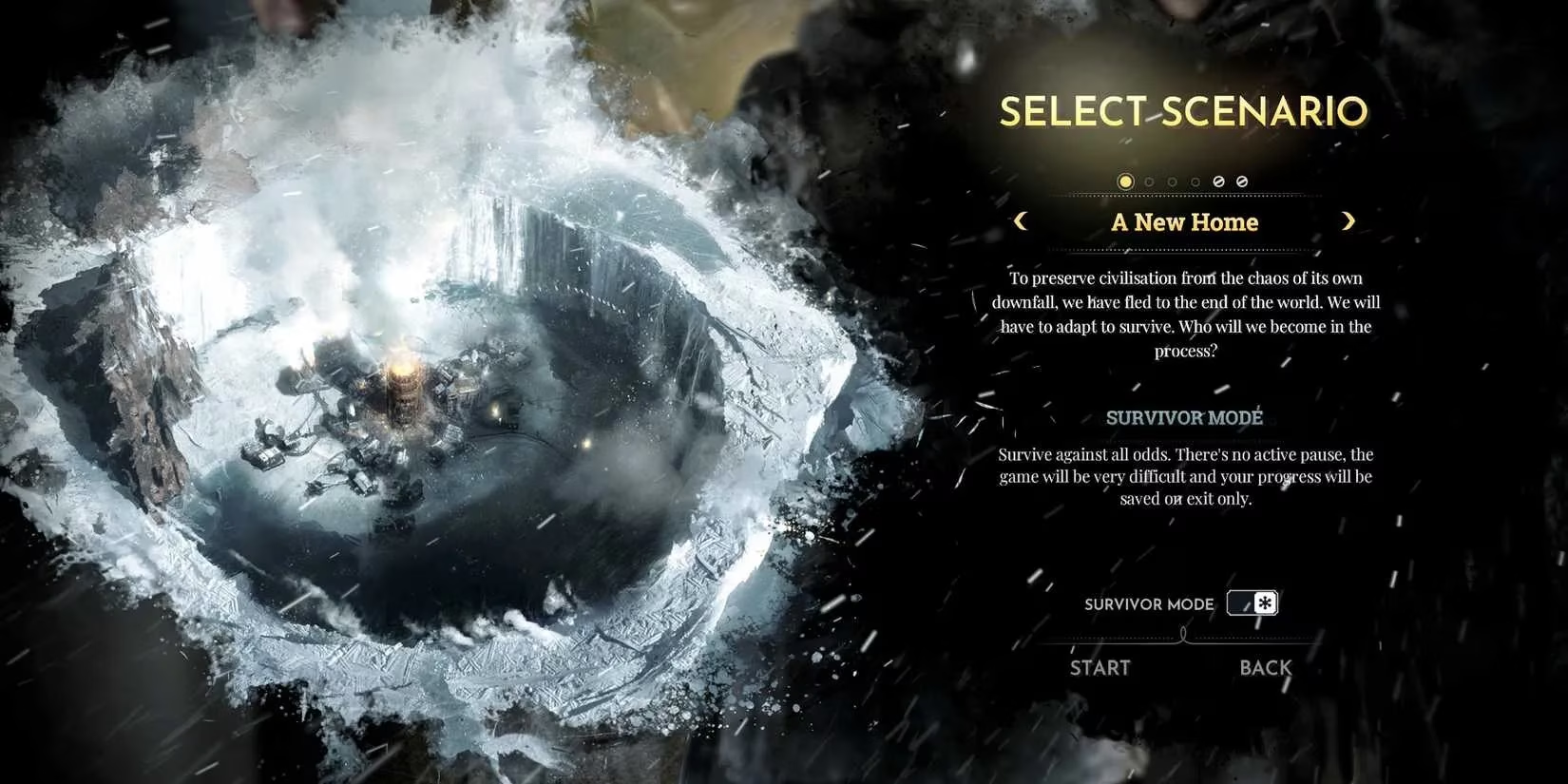
Frostpunk already chills my nerves on normal, but Survivor mode transforms the city-building survival game into an unforgiving ice sculpture. The economy crumbles at the slightest imbalance, everyone’s discontent spikes if the temperature drops a degree, and you can’t pause to think. I once prioritized coal over food for a single in-game day, and the ensuing hunger riots dismantled my fledgling civilization before I could recover. Without manual saves, those hours of progress simply vanished. Time becomes your most precious resource, and you feel its weight in every decision—there’s no space for experimentation, only precise management.
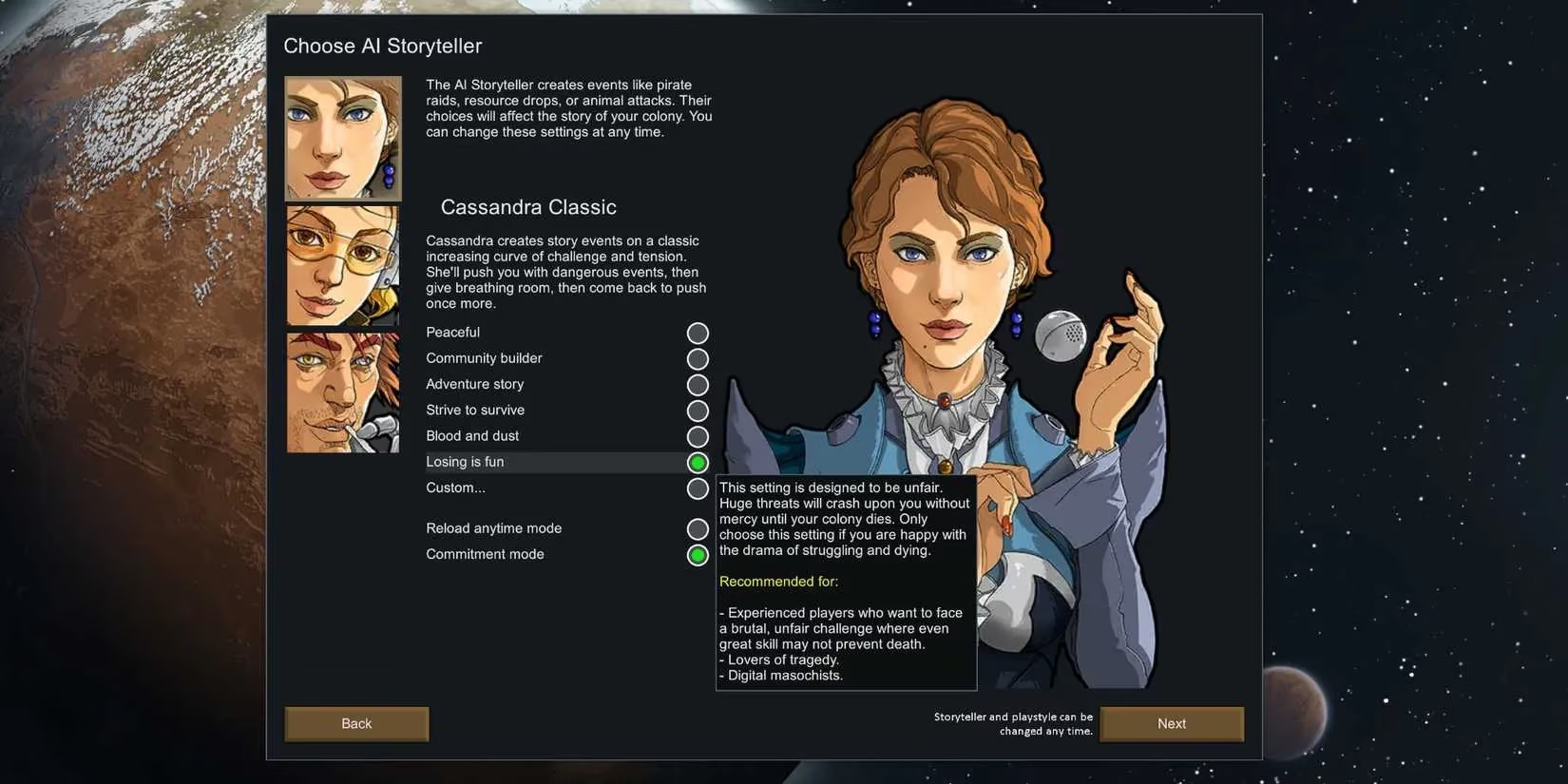
If you want to engineer your own catastrophe, RimWorld lets you stack three punishing parameters into one hellish story. I started a run with the Naked Brutality scenario—a single, shivering colonist with zero items—while the Losing Is Fun AI storyteller hurled raids, plagues, and manhunting squirrels at maximum frequency. And on Commitment mode, I couldn’t reload when my poor nudist got kidnapped in week one. The world actively hates you, and every little success is a miracle. Building even a basic shelter felt like triumphing over a malevolent god. The only way out is through, but the game reminds you at every step that losing is, in fact, its preferred outcome.
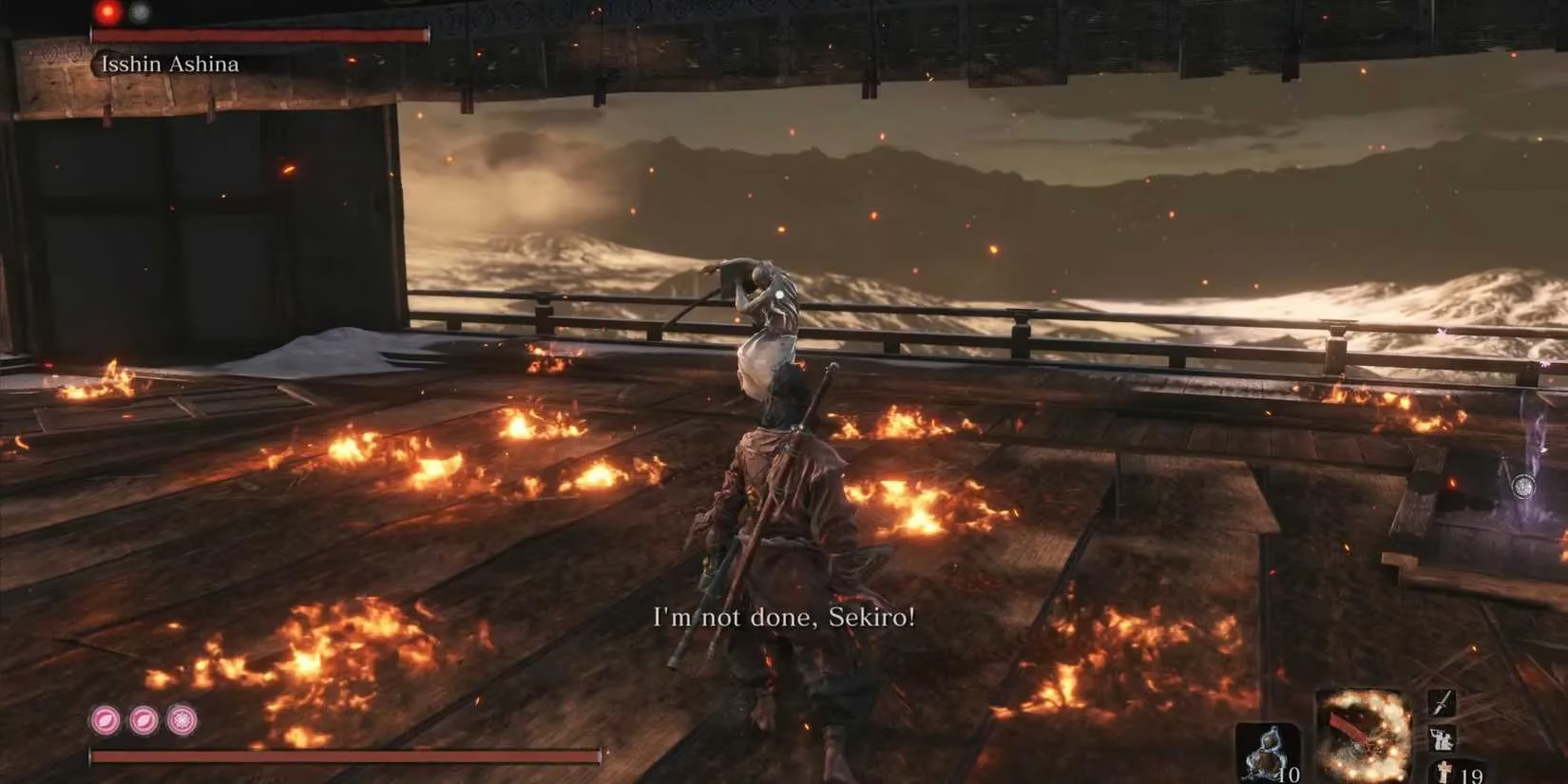
FromSoftware’s Sekiro: Shadows Die Twice has a fluid combat system that already demolishes newcomers, but NG+7 with the Demon Bell rung is a different beast. Each New Game Plus cycle multiplies enemy posture and vitality, and by the seventh journey, even the basic Ashina soldiers feel like mini-bosses. Add the Demon Bell and their damage output and resilience spike again. I faced Isshin Ashina on this setup and learned that hesitation truly means defeat; I had to parry flawlessly for minutes on end, because one mistake meant instant death. There’s no grinding past this wall, only mastery.
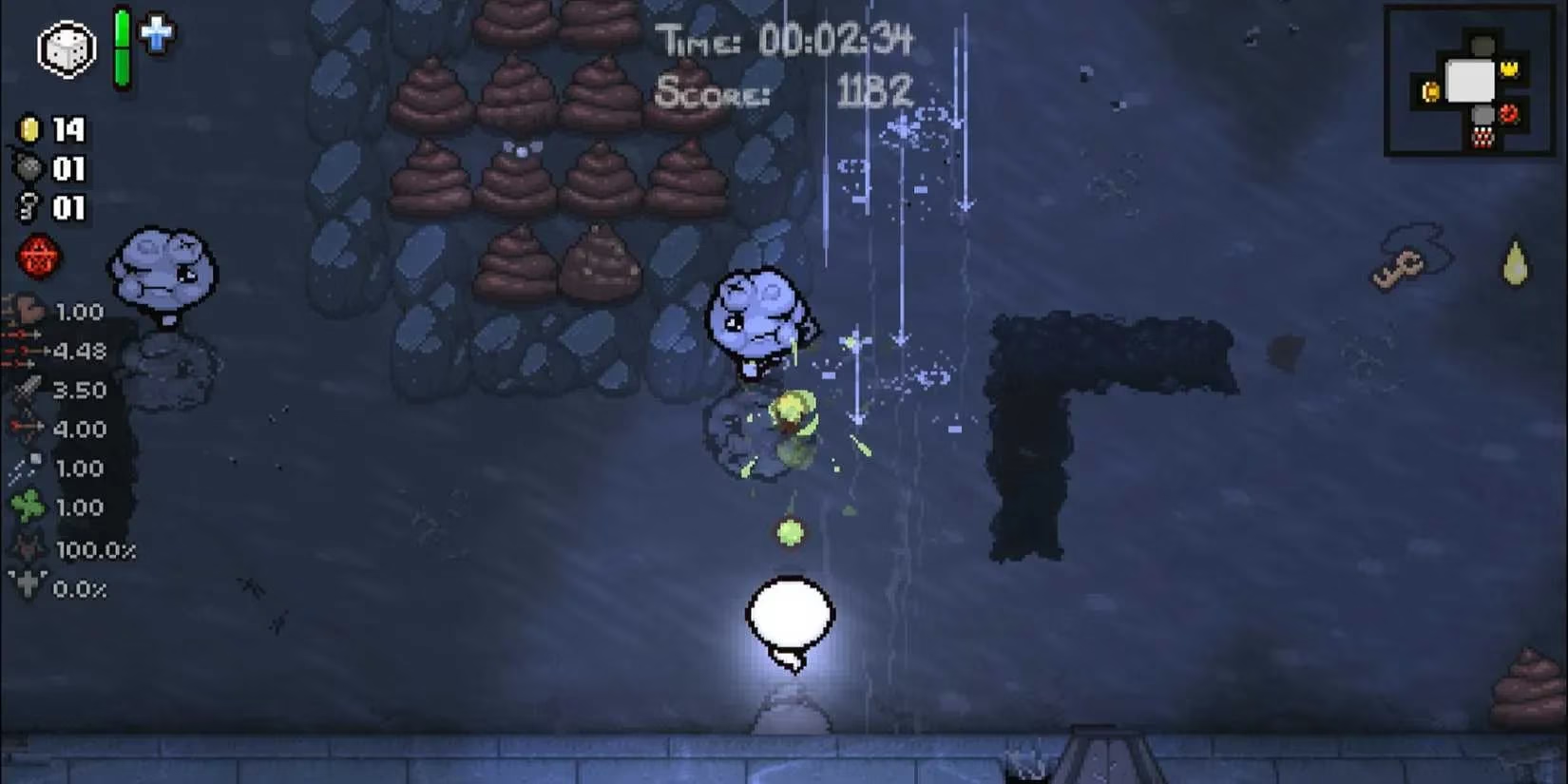
In the roguelike realm, The Binding of Isaac: Rebirth delivers a double hit: Hard mode fills floors with extra rooms and brutally tough enemy layouts, but playing as The Lost rips away your health entirely. One hit, you’re dead. I unlocked Holy Mantle (that precious one-shield-per-room item) after countless attempts, yet even then, reaching Mom was a cascade of dodging and cold sweat. A single room with fast-moving spiders could end a perfect run. The Lost transforms a randomly generated dungeon into a thread-the-needle challenge where you curse the game and yourself in equal measure.
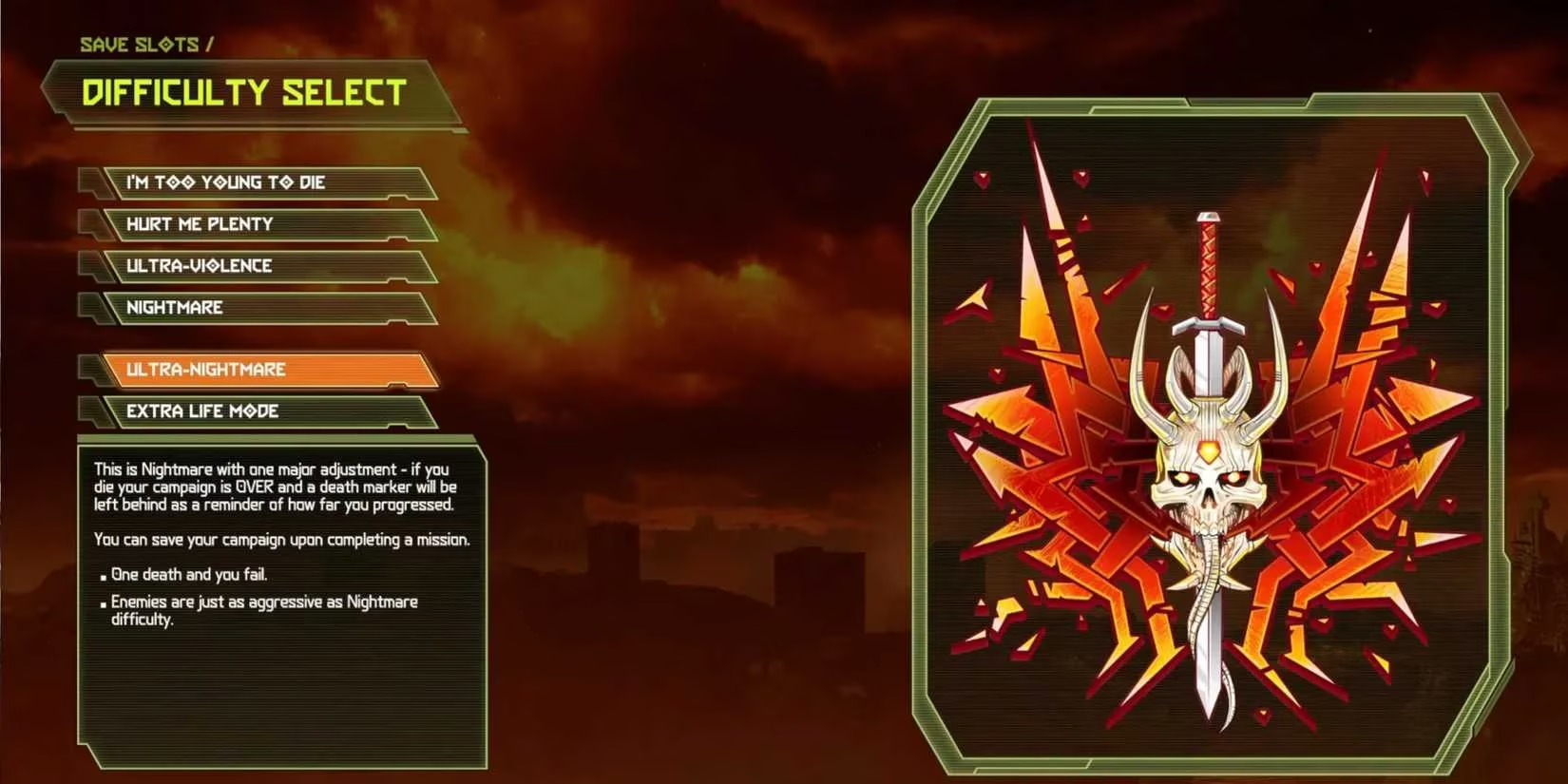
Finally, DOOM Eternal on Ultra-Nightmare. I still remember the sweaty palms when I dared to attempt this. You get Nightmare’s ferocious AI and amplified damage, but with a single life across a 14-hour campaign. That’s 14 hours of no mistakes. One miscalculated leap into a demon swarm, and your save file is obliterated. The mode redefines the very notion of pressure: every arena is a heart-pounding crescendo, and after surviving a Slayer Gate, I had to pause in real life just to breathe. There’s a reason the community calls it the ultimate bragging right—finishing it feels less like a win and more like surviving a crucible.
These modes are not for everyone. They’re built for those of us who find joy in repeated failure and the eventual, hard-won victory. In 2026, as I look back, they remain the gold standard for sadistic difficulty—designed to be beaten, yes, but only by a stubborn few who refuse to let the game have the last laugh.
This perspective is supported by coverage from Destructoid, and it helps frame why brutal difficulty modifiers feel so compelling: they don’t just make enemies tougher, they remove player certainty—HUD-less survival in Metro Exodus, permadeath pressure in XCOM 2 and DOOM Eternal, and mathematically stacked openings in Civ VI Deity all shift the experience from “playing well” to “playing flawlessly.” By spotlighting how games balance fairness, readability, and punishment, that kind of reporting underscores what these modes really test in 2026: composure, consistency, and decision-making under irreversible consequences.
Comms Channel